
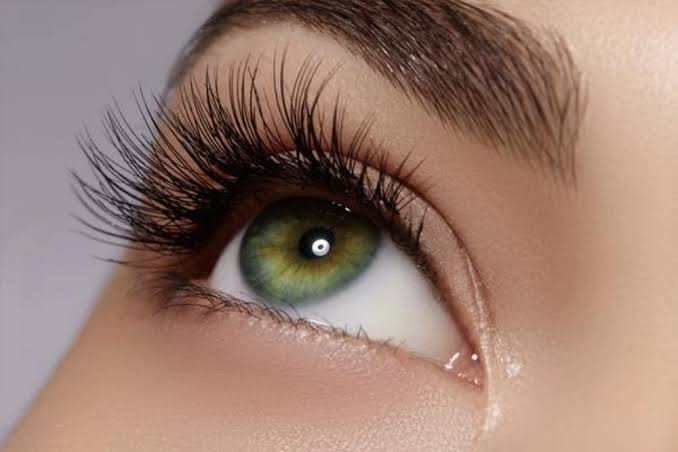
If you have ever glanced in the mirror after a beauty appointment and marveled at how a few precise fibers can completely transform your gaze, you have likely wondered, what are lash extensions made of? Eyelash extensions have evolved from a niche trend into a highly sophisticated discipline of cosmetic artistry. Yet, for many clients within our premium lash studio Glen Rock NJ community, the physical composition and the safety of these tiny enhancements remains a mystery.
At Estetica, we operate under a strict philosophy: exceptional aesthetics should never demand the sacrifice of your biological lash health. This commitment to uncompromised quality is precisely why we choose premium cashmere lash extensions for our clients. To understand why this specific material represents the pinnacle of modern eye styling, we must first look past the marketing buzzwords and break down the science behind what are lash extensions made of in the modern beauty world.
Deconstructing the material: what is actually in your lash extensions?
The beauty industry is notorious for using evocative, romanticized terminology to describe its inventory. For years, clients have encountered service menus offering “Mink,” “Sable,” or “Silk” options. These names frequently cause confusion, leading many to ask what are lash extensions made of in reality, and whether they are wearing authentic animal fur or organic textiles derived from silkworm cocoons.
To answer simply: the overwhelming majority of professional, high-quality eyelash extensions are manufactured from an advanced thermoplastic fluoropolymer known as Polybutylene Terephthalate, or PBT. When clients ask our stylists what are lash extensions made of, explaining the safety of high-grade PBT is always our first step.
The science of premium PBT
PBT is a highly durable, semi-crystalline engineered plastic that boasts incredible shape memory, structural flexibility, and resistance to environmental factors like heat, water, and humidity. When raw PBT is heated and extruded through precision machinery, it can be tapered into microscopic fibers that mimic the natural shape of a human eyelash.
The journey from raw material to a finished premium extension is highly controlled. It begins with raw PBT polymer, which undergoes heat extrusion. From there, the fibers are meticulously tapered to create a realistic tip, and finally, they go through a chemical curving process to achieve a stable, permanent bend.
There are several reasons why high-grade PBT has become the absolute gold standard for eyelash extension safety:
- Hypoallergenic Nature: Medical-grade PBT is chemically inert, meaning it does not react with the skin or release volatile organic compounds when exposed to moisture. This minimizes the risk of dermatological sensitivity along the delicate eyelid margin.
- Shape Retention: Unlike natural fibers, which droop, uncurl, or become matted when wet, PBT maintains its exact manufactured curl, whether it is a subtle J-curl or a dramatic D-curl, regardless of exposure to steam, sweat, or daily cleansing.
- Sanitation and Hygiene: Synthetic polymers are non-porous. This prevents the absorption of bacteria, sebum, and cosmetic residues, making them inherently more hygienic than animal-derived alternatives.
When a brand labels an extension as mink or silk, they are not referencing real animal components; they are describing the finish and the taper of the synthetic fiber. If you dive deep into what are lash extensions made of, you will find that traditional mink options typically feature a semi-matte finish and a deep taper that mimics a fluffier, natural look. Silk options generally have a slighter taper and a glossier, deep-black sheen designed for a more dramatic, mascara-like effect.
While standard PBT extensions revolutionized the beauty world over the past two decades, continuous innovation in luxury lash materials has paved the way for an even higher tier of performance: premium cashmere lash extensions.
The evolution of luxury: enter cashmere lash extensions
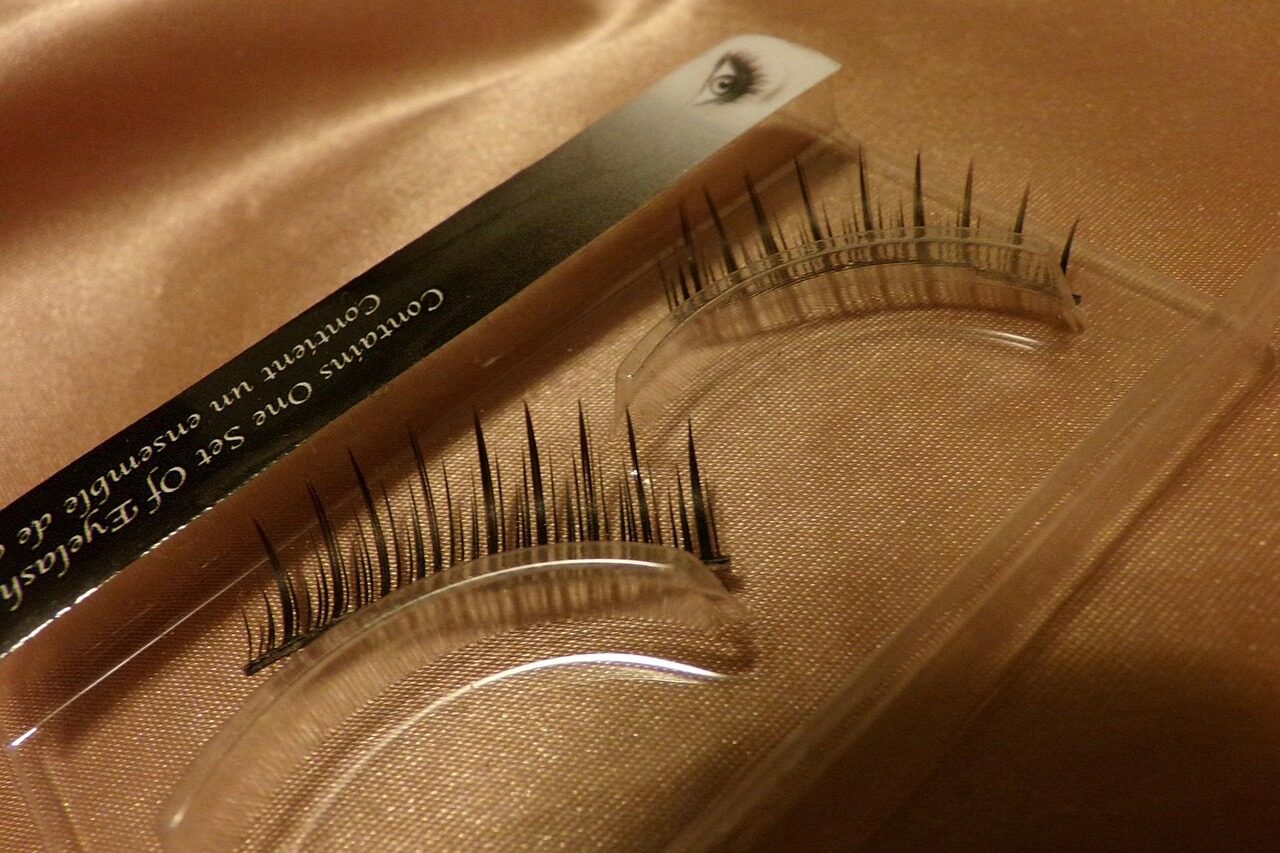
The term “Cashmere” in the context of professional eye design does not denote the wool of a cashmere goat. Instead, it signifies a massive leap forward in the physical architecture of the synthetic fiber itself. While standard extensions are round, solid cylinders of PBT, cashmere lash extensions undergo a specialized manufacturing process that completely alters their geometry.
The physics of the flat/elliptical lash
Traditional synthetic extensions are perfectly circular at their base. When a round extension is placed on top of a natural human lash, which is also relatively round, the contact point between the two surfaces is minimal. To ensure a secure bond, the stylist must use enough adhesive to wrap around the contours of both fibers.
Cashmere lash extensions, frequently referred to in technical circles as flat or elliptical lashes, are compressed during production. This creates a base that is concave or oval-shaped rather than circular. This structural alteration yields two revolutionary benefits for the wearer.
1. Significant weight reduction. Because the fiber is flattened, it contains significantly less mass than a standard round lash of the same apparent width. A cashmere fiber possesses the visual impact and width of a traditional dark round lash, but only carries a fraction of the physical weight. This allows lash artists to build rich, dark, and full lash maps without overloading the client’s natural eye structure or causing premature shedding.
2. Superior mechanical bonding. The concave underside of a cashmere lash functions as a tiny cradle that perfectly hugs the natural curvature of your natural lash. This drastically increases the surface-area contact between the extension and the natural hair. With a larger, more stable interface, the adhesive can form an incredibly secure, long-lasting bond without requiring an excessive, heavy amount of glue.
Why materials matter: the anatomy of lash health
To appreciate why investing in premium materials like cashmere is vital, one must understand the biological life cycle of the human eyelash. Like the hair on your scalp, eyelashes undergo a continuous three-phase cycle: Anagen (active growth phase), Catagen (transition phase), and Telogen (resting phase before shedding).
On any given day, a healthy individual will naturally shed between two and five eyelashes per eye as part of this normal biological renewal. When an eyelash extension is applied, it must move, grow, and shed in perfect harmony with that single natural lash to which it is bonded.
According to clinical insights shared by organizations like the American Academy of Dermatology, protecting the hair follicle from excessive, chronic tension is crucial to avoiding traction-induced hair loss or damage to the delicate eyelid tissues.
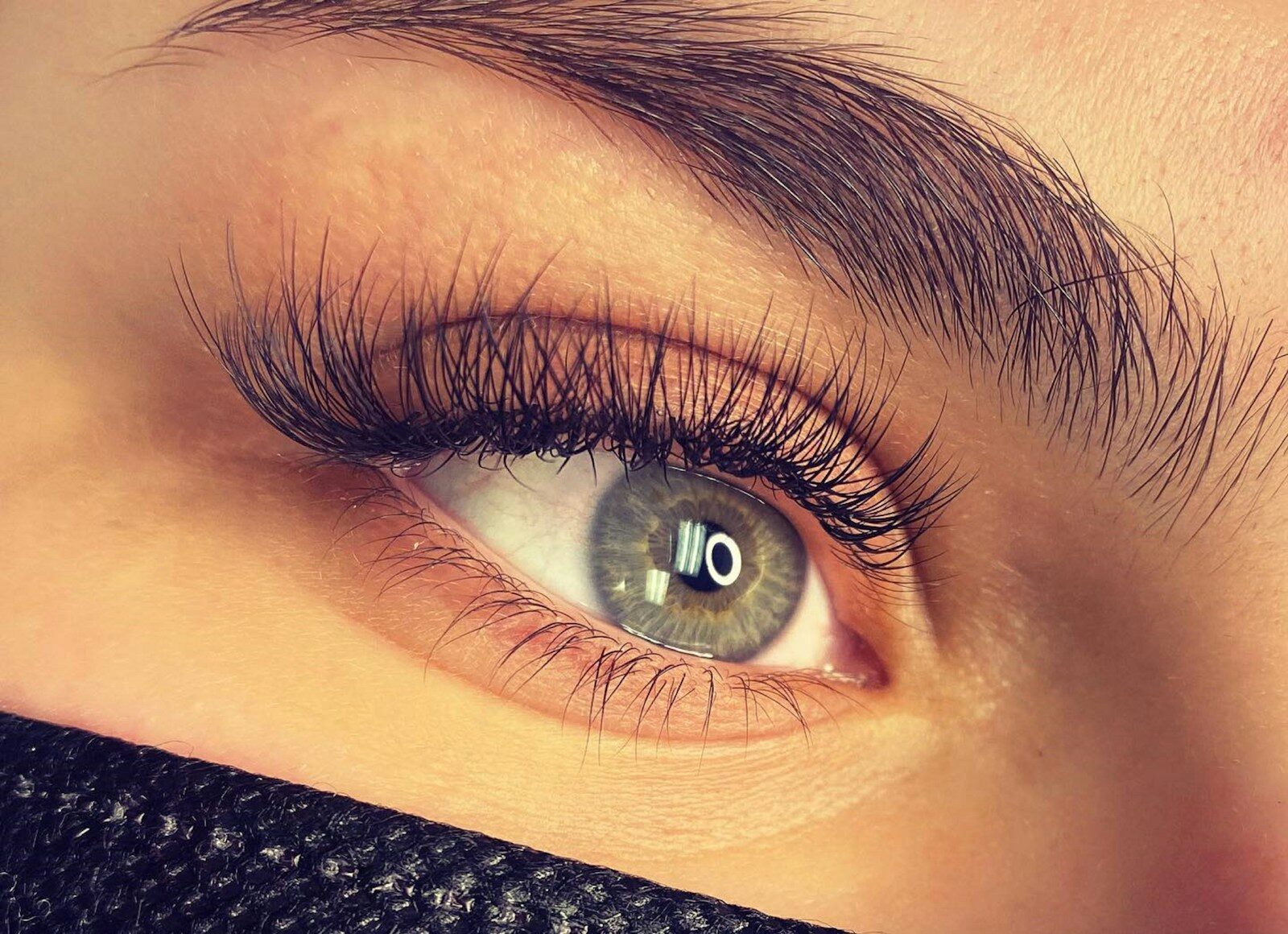
When lower-quality, heavy, or rigid synthetic materials are used, they exert constant downward leverage on the hair follicle. If an extension is too heavy for the natural lash to support during its growth phase, it can cause the root to become strained. This can lead to premature shedding, follicle fatigue, or temporary gaps in your natural lash line.
Premium cashmere lashes safeguard this delicate ecosystem. Because they eliminate up to 60 to 70 percent of the weight associated with traditional extensions, your natural lashes can continue their growth cycle unhindered. They flex easily when touched, adjust seamlessly to your sleep movements, and cause zero strain to the eyelid tissue.
Furthermore, because cashmere lashes lack the stiff, plastic-like rigidity of lower-grade synthetics, they do not twist, flip sideways, or become tangled as your natural lashes grow outward. This drastically reduces the urge to rub or pick at your eyes, which is one of the leading causes of self-inflicted lash damage.
Synthetic mink vs cashmere lashes: a direct comparison
When evaluating options for your next appointment, it helps to understand exactly how traditional choices stack up against modern engineered options. To help you visualize the distinct differences between standard market options and the premium cashmere fibers utilized at Estetica, consider this breakdown of synthetic mink vs cashmere lashes:
| Feature | Synthetic Mink Extensions | Premium Cashmere (Elliptical) Lashes |
|---|---|---|
| Base Shape | Rigidly cylindrical / circular | Concave / elliptical (cradled base) |
| Weight Profile | Full mass; can feel heavy in denser maps | Ultra-lightweight; up to 70% lighter |
| Retention Window | Average (3 to 4 weeks, highly dependent on glue) | Extended (4 to 6 weeks due to higher surface contact) |
| Texture & Feel | Firm, can feel slightly plastic or stiff | Incredibly soft, feather-like, mimics real hair |
| Visual Finish | Often high-gloss, reflective shine | Sophisticated matte or semi-matte deep black |
| Follicle Strain | Medium to high if mismatched in thickness | Minimal; maximizes safety for weak/fine natural lashes |
You may also like: Lash lift and tint
Frequently Asked Questions
What are lash extensions made of?
Most professional-grade eyelash extensions are manufactured from Polybutylene Terephthalate (PBT), a semi-crystalline thermoplastic fluoropolymer prized for its shape memory, flexibility, and resistance to heat, water, and humidity. Raw PBT is heat-extruded, tapered into microscopically fine fibers, and then chemically curved to create a permanent, custom bend. Because it is chemically inert and non-porous, PBT resists bacteria and product buildup while remaining gentle on the delicate eyelid margin.
Are cashmere lash extensions made from real animal fur?
No, despite the name, cashmere lash extensions contain no animal fibers whatsoever. The term refers to a specialized manufacturing process that compresses standard round PBT fibers into a flat, elliptical shape rather than any relation to cashmere wool. This flattened, oval base reduces the fiber’s mass by up to 70 percent compared to a traditional round extension of the same visual width, all while remaining fully synthetic and cruelty-free.
What is the difference between synthetic mink vs cashmere lashes?
Traditional synthetic mink extensions are cylindrical and circular at the base, which limits the surface area in contact with your natural lash and often requires more adhesive to secure. Cashmere, or elliptical, lashes are compressed into a concave shape that cradles the curvature of the natural lash, creating a larger, more stable bonding surface. The result is a lighter-feeling extension with a softer, matte finish and typically stronger retention than a comparably sized mink lash.
Do cashmere lash extensions damage your natural lashes?
When properly matched to your natural lash strength, neither material should cause damage, but the material still matters. Eyelashes cycle through active growth, transition, and resting phases, and an extension must move with the natural hair throughout that cycle. Because cashmere lashes eliminate up to 60 to 70 percent of the weight of a standard extension, they place far less downward tension on the hair follicle, reducing the risk of premature shedding or follicle fatigue that heavier, rigid materials can cause.
How long do cashmere lashes typically last?
Cashmere lashes typically last between 4 and 6 weeks between refills, slightly longer than the 3-to-4-week average of standard synthetic mink extensions. This extended wear comes down to physics: the concave base of a cashmere fiber creates significantly more contact area with the natural lash, allowing the adhesive to form a more secure, long-lasting bond without needing an excessive amount of glue.
Crafting the perfect look at Estetica: customization and care
At Estetica, our premium lash studio Glen Rock NJ location treats eye design as an explicit form of structural art. No two pairs of eyes share the exact same orbital curvature, lash density, or growth direction. Therefore, a generic, one-size-fits-all approach to application has no place in our studio.
When you sit down for an appointment, our trained technicians carefully assess your natural lash health before mapping out a customized design. If you have ever asked a stylist what are lash extensions made of, they will gladly show you the physical difference in flexibility and lightness that cashmere brings to the table. The process is a seamless progression from consultation and structural assessment, to custom style mapping, and finally to precision cashmere isolation and bonding.
We analyze the strength of your natural hairs to determine the precise length, curl type, and diameter of cashmere lashes required to achieve your desired aesthetic, whether that is a whisper-light, natural enhancement or a plush, textured, full-volume set.
Because cashmere lashes are so inherently flexible and lightweight, they afford our stylists an incredible degree of creative freedom. We can achieve a dense, dramatic lash line even on clients who have naturally fine, short, or recovering lashes, without risking the health of their eyes. The rich, matte finish of cashmere avoids the artificial, overly reflective look often associated with cheap synthetic sets, yielding a look that is undeniably luxurious, soft, and sophisticated.
Investing in long-term beauty
Your eyes are one of your most expressive and sensitive features. While it can be tempting to prioritize a low price tag when choosing a service provider, using sub-par materials or hasty application techniques inevitably leads to discomfort, poor retention, and compromised lash health.
Choosing premium cashmere lash extensions means investing in the long-term vitality of your natural beauty. By pairing the industry’s finest luxury lash materials with meticulous isolation and professional bonding techniques, the team at Estetica ensures that your daily wear is defined by absolute comfort, seamless flexibility, and beautiful longevity.
If you are ready to experience the weightless luxury of a premium cashmere set tailored precisely to your eye shape and lifestyle, we invite you to connect with us at Estetica. Let us co-create a stunning, healthy, and elevated look that you can wear with absolute, effortless confidence. Book your cashmere lash consultation today and let our experts design the perfect set for you.