
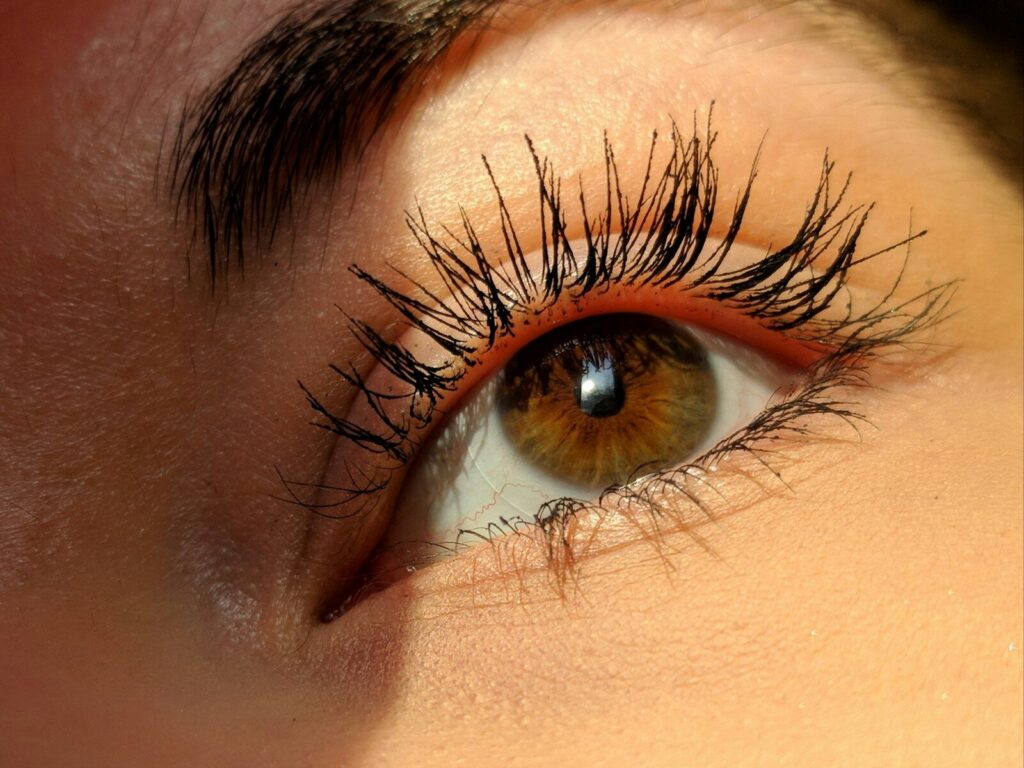
You’ve likely noticed that a lash lift can look stunning on one person’s eyes and less dramatic on another’s. The question most readers bring to Estetica is: why do some lashes take a lift better than others? The short answer is that lift outcomes depend on a mix of natural lash health, the direction and curl tendencies of your lashes, and how the treatment is executed and cared for afterward. This article unpacks the core factors, helps you assess your own lashes, and provides practical steps to optimize results without overpromising. By the end, you’ll know what to discuss with your lash artist and how to set realistic expectations for your lash lift journey.
At Estetica, we approach lash lifts with care and precision, recognizing that every set of lashes is unique. The goal isn’t to chase a one-size-fits-all curl but to tailor the lift to your eye shape, lifestyle, and lash health. You’ll find guidance here on what tends to influence lift performance, how to choose the right rod and processing approach, and what aftercare habits most help preserve the lift’s shape. While results can vary, informed decisions and consistent maintenance usually translate to stronger, longer-lasting lifts that look natural to you.
What a lash lift actually does, and what affects its lift
A lash lift uses a chemical process to temporarily reshape the natural lash into a lifted curl. It does not apply a new lash strand; it works with what you already have. The outcome is a curve that sits closer to the lid and can give the appearance of longer, more open eyes. But several variables influence how dramatic and how long that lift lasts. Understanding these factors helps you predict results more accurately and spot early when something isn’t aligned with your goals.
Curl type, lash diameter, and lash direction
Your lashes don’t all grow the same way. Some have a natural upward bend, some grow straight out, and others point downward. The inherent curl tendency and the thickness (diameter) of each lash affect how much the lift can bend it and how uniformly it sets. Very straight or downward-pointing lashes tend to respond differently than naturally curved or more flexible lashes. A lash artist will assess these traits during your consultation and may adjust rod size or processing time to respect your lash biology.
Rod size and placement
The “rod” (the curved tool the lashes wrap around) determines the final lift’s arc. A larger rod tends to yield a softer curl, while a smaller rod can deliver a more pronounced lift. The placement of the rod—closer to the lash line vs. slightly higher—also changes the perceived lift and the overall openness of the eye. This is a precise, eye-shape–sensitive choice that a skilled technician personalizes for you.
Chemistry, timing, and processing balance
Lash lift solutions (the perm solution and neutralizer) must be calibrated to your lash health. Overprocessing can lead to overly tight curls that feel stiff or even fragile, while underprocessing may result in a lift that looks limp or fades quickly. Timing is crucial: the duration the solution stays on the lash is a major determinant of how dramatic and how lasting the curl will be. A professional will tailor processing to your lash condition and any sensitivities, avoiding a one-size-fits-all approach.
“A lift’s success is built on respect for each lash’s health and its natural direction rather than chasing a dramatic result on every eye.”
“If the lashes are healthy and well-prepared, the same lift technique can look dramatically different from person to person—and that’s exactly why customization matters.”
Natural lash health as the foundation of lift performance
The health of your natural lashes sets the ceiling for how well and how long a lash lift can perform. Lashes that are brittle, over-processed, or prone to shedding will not hold a lift as well as healthy, well-supported lashes. This isn’t a condemnation of your lashes—it’s a reminder that the lift is a cooperative process between your lash biology and the professional technique used to shape them.
The role of lash health in lift longevity
Healthy lashes have robust keratin structure, adequate moisture, and a normal growth cycle. When lashes are compromised—due to over-processing, harsh cleansers, or frequent use of oil-based products near the lash line—the lift can lose its hold sooner. It’s common for clients with strong aftercare to enjoy longer-lasting curl and better retention. Conversely, if you’re dealing with brittle or thinning lashes, a lash lift may still be a good option, but it may require more careful planning and adjustments in rod size and processing times.
Lash shedding cycles and timing
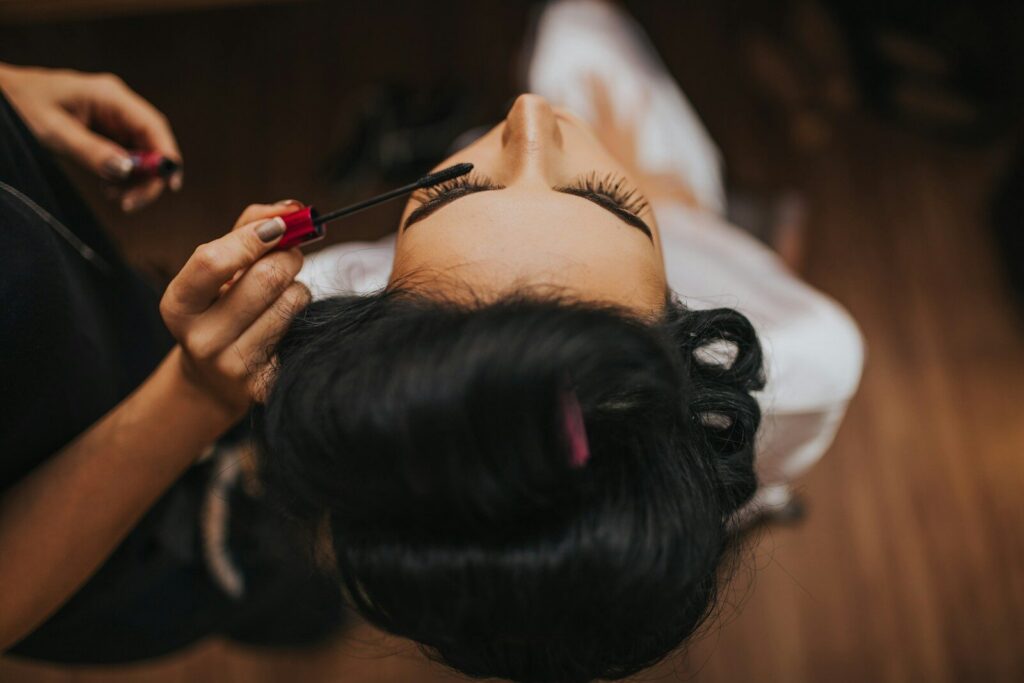
Lashes grow and shed on a cycle that varies from person to person. A lift is more likely to last longer if many lashes are in the growth phase rather than shed phase at the time of your appointment. Estetica professionals often consider where you are in your lash cycle during your consult to set expectations around lift longevity and to design a plan that aligns with your cycle dynamics.
Conditioning and cleanse routine
Gentle conditioning and appropriate cleansing support lash health between lifts. Oil-based cleansers near the lash line can soften adhesives and reduce lift longevity if used excessively or too soon after the service. A clean, makeup-free lash line before a lift and a light, lash-safe aftercare routine afterward tend to support a crisper, longer-lasting curl.
“Healthy lashes tend to respond more predictably to a lift, with cleaner engagement of the curl and better retention.”
Technique and aftercare: how practitioner choices influence results
The artistry of a lash lift isn’t only about the lash’s biology; it’s also about how the service is executed and how you care for lashes in the days following the treatment. Two clients with similar lashes can see different outcomes if the technique varies or if aftercare diverges. This section highlights practical choices that influence lift quality and durability, plus a clear, step-by-step look at what a professional lift process typically involves.
Prep, cleanliness, and sensitivity considerations
Before applying any lift solution, a thorough cleanse and inspection reduce the risk of irritants or residual makeup interfering with the chemical process. Patch tests may be recommended for clients with sensitive skin or a history of reactions. A clean canvas helps the lift set evenly along the lash line, which translates to a more uniform curl and longer-lasting results.
Rod selection, alignment, and isolation
Operator skill in rod selection and precise lash isolation is what translates a good lift into a great one. Misalignment or crossing lashes over the rod can create uneven curl, gaps, or clumping. Your technician may adjust the rod size mid-service if they detect that your lashes will respond better to a different arc, all in service of a balanced, symmetrical result.
Post-lift aftercare and common mistakes
Aftercare is a common make-or-break factor for lift longevity. The primary precautions are to avoid oil-based products near the lashes for at least 24 to 48 hours, keep lashes dry during the initial setting period, and skip rubbing your eyes. Sleeping on your back or with a soft eye mask can also reduce friction that might flatten or misalign the curl. A simple post-lift routine that respects these guidelines often yields more stable, longer-lasting results.
Choosing between lift, extensions, or tinting based on lifestyle
Deciding between a lash lift, traditional extensions, or tinting depends on how you want to look, how much upkeep you’re willing to handle, and what your daily routine looks like. A lash lift can offer a natural-looking enhancement with relatively low maintenance, especially for clients who prefer a “wake-up-and-go” aesthetic. Extensions can provide more customization and volume, but they require more regular upkeep and salon visits. Tinting adds pigment but does not change curl or length. Your eye shape, activity level, and sensitivity to products all factor into the best fit for you.
When a lash lift is the right fit
If you want a lift that emphasizes natural lashes, minimizes daily maintenance, and works well with most eye shapes, a lift is a sensible choice. It pairs well with proper conditioning and careful aftercare, and it tends to hold up well through daily activities that don’t heavily stress the lash line. If you have very fine or sparse lashes, you may still enjoy a lift, though your expectations for density will be shaped by the natural limit of your lashes’ length and health.
When extensions or other options may be preferable
If you’re seeking noticeable fullness, dramatic curl, or a specific length, extensions may be more suitable. Tinting can be a good upgrade to a lift for clients who want darker lashes with minimal maintenance, though tinting alone doesn’t alter curl or lash length. Discuss your lifestyle, sleeping habits, and how you typically wear makeup with your lash artist to determine which pathway aligns with your goals and routine.
What to ask at your consult
Before committing, ask about the technician’s assessment of your lash health, the proposed rod size and curl type, expected longevity, aftercare specifics, and what indicators would prompt a readjustment. A good consult should leave you with a clear plan, realistic expectations for your lash line, and a sense of confidence about whether a lift fits your lifestyle and goals.
Troubleshooting and when to seek professional attention
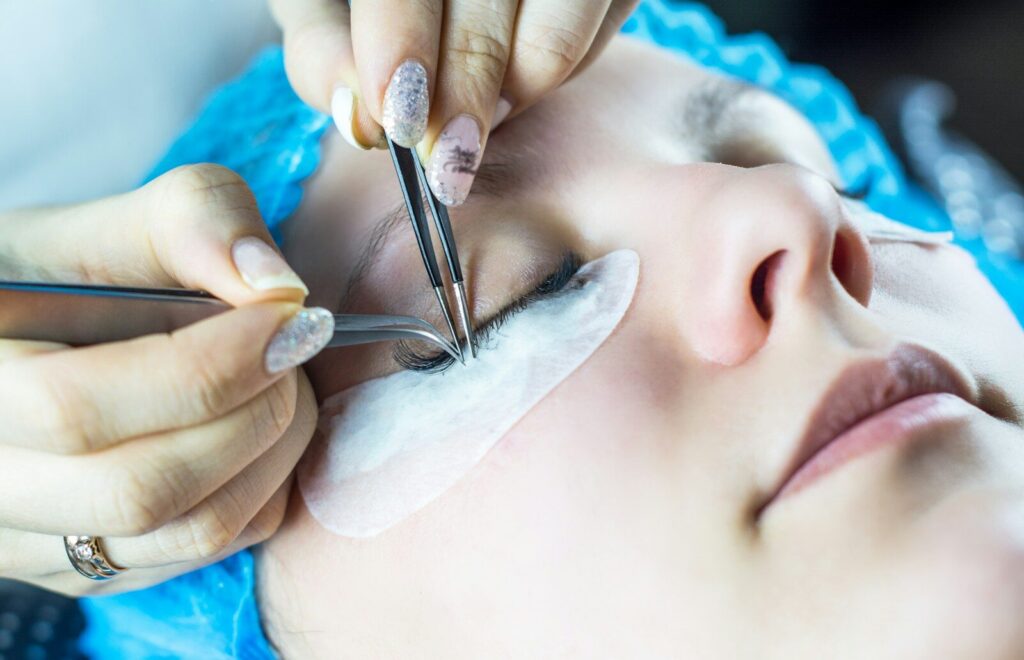
Lash lifts are safe when performed by trained professionals, but any cosmetic service near the eye carries potential risks if not administered properly or if aftercare isn’t followed. If you notice unusual irritation, sudden redness, persistent itching, or a curl that feels uncomfortable or looks uneven, seek professional guidance promptly. It’s better to have a quick assessment than to let discomfort drift into a longer-term concern.
Signs your lift isn’t holding or needs adjustment
Common signs include a rapid loss of curl within days, a noticeably uneven curl across lashes, or lashes that look bent in certain areas rather than uniformly lifted. These issues can often be addressed with a touch-up, a slight adjustment to rod size, or a short follow-up appointment to re-balance the lift. Your lash artist can advise whether a retouch or alternative approach is appropriate for you.
Irritation, sensitivities, or allergic reactions
If irritation occurs—such as burning, redness, or swelling—cease all products near the eyes and contact your clinician or a medical professional. A professional assessment helps determine whether the reaction is to the products, to a product interaction, or to a pre-existing sensitivity. AAD and AAO emphasize seeking expert guidance for eye-area concerns to safeguard your vision and comfort.
Maintenance gaps that reduce longevity
Even with a flawless lift, lifestyle choices can shorten longevity. Regularly wearing heavy eye makeup, using oil-based removers, or sleeping face-down can stress the curl. Oil-based products, in particular, can weaken both the natural lash bond and the lift’s hold if used too soon after the service. Small adjustments in cleansing routines and product choices can meaningfully extend the lift’s lifespan.
For more comprehensive guidance on eye safety and cosmetic care, consider reviewing resources from reputable organizations such as the American Academy of Ophthalmology and the American Academy of Dermatology: American Academy of Ophthalmology and American Academy of Dermatology.
Care checklist to maximize lash lift longevity
- Clean lashes daily with a gentle, lash-safe cleanser to remove oils and debris.
- Avoid oil-based makeup removers near the lash line for at least 24–48 hours after treatment.
- Skip rubbing the eyes and minimize how aggressively you rub or tug at the lashes.
- Sleep on your back or with a soft eye mask to reduce friction that can flatten the curl.
- Limit waterproof mascara right after a lift unless your artist approves it for occasional use; otherwise, use a light, non-oil-based product if needed.
- Schedule regular touch-ups as recommended by your lash artist to maintain curl integrity and overall appearance.
Step-by-step overview of a professional lash lift process
- Consultation and patch test (especially if you have sensitive skin or a history of reactions).
- Cleanse and prep the lashes to remove oils and makeup residues.
- Choose the appropriate rod size and align lashes to ensure even curling.
- Apply the lift solution to set the lashes into the new curl, following precise timing guidelines.
- Apply the neutralizer to lock in the curl and stabilize the shape.
- Provide post-care instructions and discuss any follow-up steps if needed.
When you’re weighing your options, remember: lash health and consistency in aftercare are often the most reliable predictors of lift success. Your eye shape and daily routine are equally important in shaping the result you’ll love. A thoughtful consult with Estetica can help map a plan that respects your lashes, your goals, and your schedule.
Ready to understand how a lift could work for you? A one-on-one consult at Estetica in Glen Rock can help tailor a lift approach to your lash health, eye shape, and lifestyle, ensuring you get a result that feels both natural and your best—without overpromising. To learn more about fit and timing for your lashes, book a consultation and let us review your lash history, sensitivities, and daily routine with you.