

You have a facial waxing appointment on the calendar, but your skin is already feeling sensitive, or you just started a new skincare product. The question is whether to go ahead or reschedule. Facial waxing can leave skin smooth for weeks, but the timing matters as much as the technique. This article walks you through the situations where postponing is the smarter choice and what to do instead.
When to reschedule your facial waxing appointment
Reschedule your facial waxing if you have active acne, sunburn, or are using prescription retinoids without stopping them in advance. Waxing pulls the top layer of skin along with the hair, so any condition that compromises your skin barrier increases the risk of irritation, redness, or even tearing. A professional esthetician will also assess your skin at the start of the appointment, but it is better to call ahead and save yourself the trip.
Active breakouts and inflamed skin
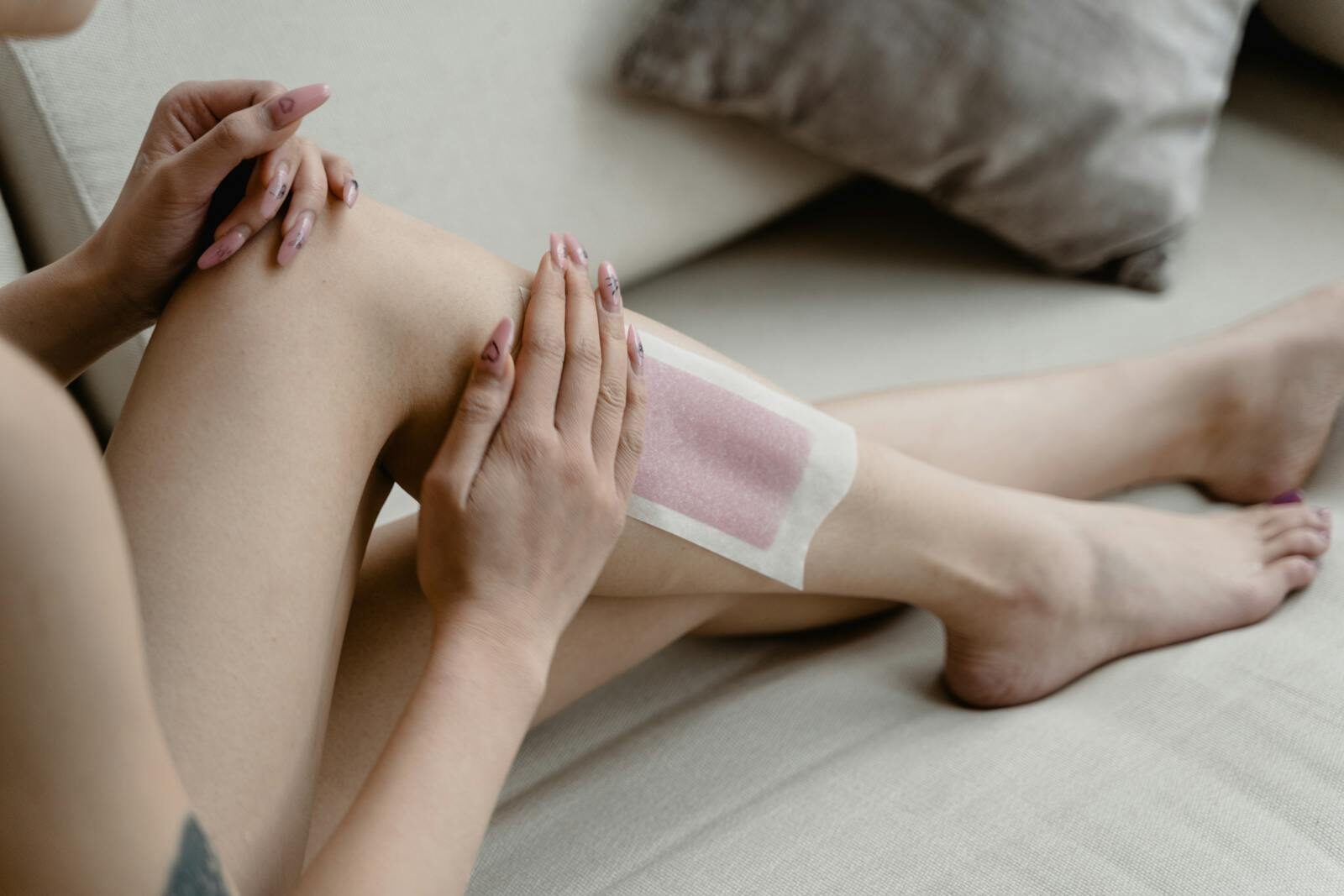
Waxing over active breakouts can spread bacteria and make inflammation worse. If you have pustules, papules, or cystic acne in the area you plan to wax, wait until the breakout clears. The same applies to any open cuts, cold sores, or recent chemical peels.
Sunburn or recent sun exposure
Sunburned skin is already damaged and more sensitive. Waxing over a sunburn can cause peeling, hyperpigmentation, or even burns. If you have been in the sun without protection and your skin is pink or tender, postpone your appointment for at least a week.
Retinoids and exfoliating acids
Prescription retinoids like tretinoin and high-strength exfoliating acids thin the skin and increase its sensitivity. Most professionals recommend stopping these products 5 to 7 days before waxing, but you should follow the specific advice of your dermatologist or esthetician. If you forgot to pause them, it is safer to reschedule.
How to prepare for facial waxing when the timing is right
When your skin is clear and you have not used any harsh products, preparation is simple: grow the hair out to at least 1/4 inch, avoid caffeine before the appointment, and arrive with clean skin free of makeup and heavy creams. This helps the wax grip the hair properly and reduces discomfort.
What to avoid in the days before your appointment
- Retinoids, retinol, and prescription acne creams
- Glycolic, salicylic, or lactic acid exfoliants
- Benzoyl peroxide products
- Chemical peels or microdermabrasion
- Sun exposure without SPF 30 or higher
- Waxing or tweezing the same area
What to do the morning of your appointment
Cleanse your face gently with a mild, non-foaming cleanser. Skip serums, oils, and makeup on the area being waxed. If your skin is prone to sensitivity, you can take an over-the-counter antihistamine 30 minutes before, but ask your esthetician first.
Facial waxing aftercare that prevents irritation
After facial waxing, your skin is temporarily more vulnerable. For the first 24 to 48 hours, avoid makeup, heavy creams, and any active ingredients. Instead, apply a soothing aloe vera gel or a fragrance-free moisturizer to calm the area.
What to avoid after waxing
- Hot showers, saunas, and steam rooms
- Sun exposure and tanning beds
- Chlorinated pools and salt water
- Scrubs, loofahs, or exfoliating brushes
- Retinoids and acids for at least 48 hours
- Touching the waxed area with unwashed hands
How to soothe redness and bumps
Mild redness and small bumps are normal and usually fade within a few hours. Apply a cold compress for 10 minutes if needed. If you notice pus, severe pain, or spreading rash, contact a medical professional, as this could indicate an infection or allergic reaction.
How to choose between waxing and other facial hair removal methods
Waxing is not the only option, and sometimes it is not the best one. If you have very sensitive skin, are using retinoids long-term, or simply want a lower-maintenance approach, consider alternatives like threading, sugaring, or dermaplaning. Each has its own pros and cons.
Waxing vs. threading for sensitive skin
Threading uses a twisted cotton thread to remove hair without pulling the skin. It is often better for sensitive skin because it does not adhere to the skin, but it can be more precise for shaping eyebrows. The downside is that it can be more painful and takes longer for larger areas like the upper lip.
Sugaring as a gentler alternative
Sugaring uses a paste made of sugar, lemon, and water that adheres only to the hair, not the skin. It is water-soluble, so cleanup is easier, and it may cause less irritation for some people. However, not all studios offer it, so check availability.
Common facial waxing mistakes and how to avoid them

Even with perfect timing, mistakes can happen. The most common ones include double-dipping spatulas, waxing the same area twice, and using products that interfere with the wax. Always choose a licensed professional who follows sanitary practices.
What to ask your esthetician before waxing
- What type of wax do you use, and is it suitable for my skin?
- How do you prevent double-dipping?
- Can I see your license and sanitation procedures?
- What aftercare products do you recommend?
Signs you should take a break from waxing
If you notice persistent redness, ingrown hairs, or changes in skin texture after waxing, it may be time to give your skin a break. Waxing every 3 to 4 weeks is typical, but some people need longer intervals, especially if they have sensitive skin or are using anti-aging products.
When to consult a professional before your appointment
If you are unsure whether your skin is ready for waxing, call the studio and describe your situation. A good esthetician will ask about your skincare routine, medications, and any skin conditions. They can tell you if you need to reschedule or adjust your prep.
At The Estetica in Glen Rock, NJ, the focus is on personalized care and skin health. The team will assess your skin before any waxing service and guide you on the best timing for your next appointment. If you are due for a facial waxing and your skin is in good condition, book a session and arrive prepared. If you have any doubts, a quick call can save you from a wasted trip and potential irritation.