
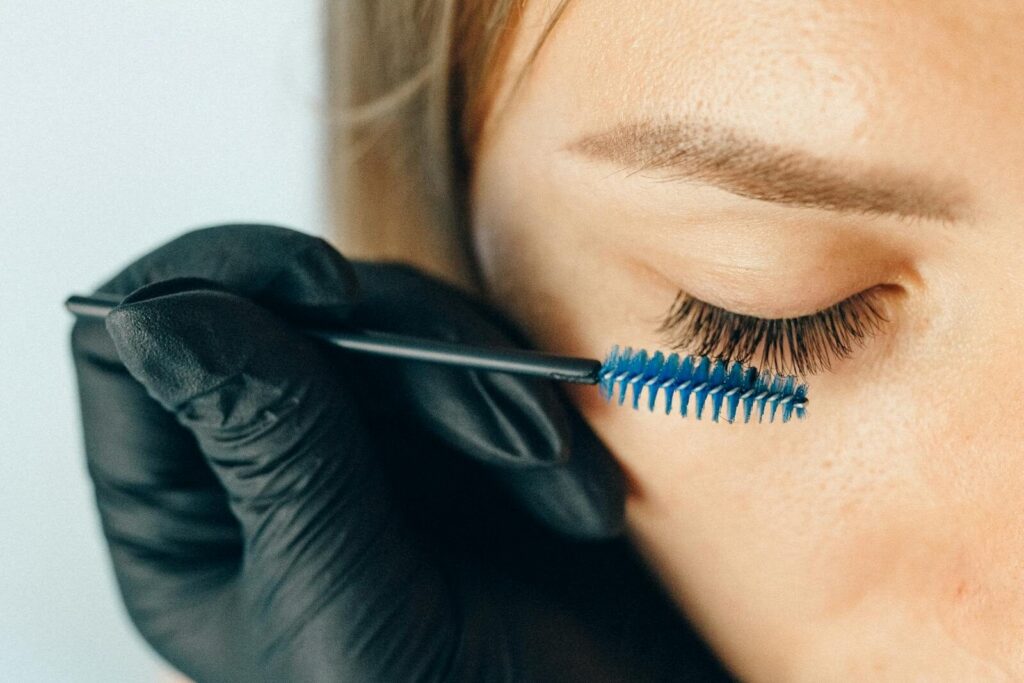
Lash popcorning is a term many clients use to describe a look that suddenly appears uneven or “poppy” along the lash line. If you’ve ever left a lash appointment and noticed small clusters or gaps that look like little popcorn kernels, you’re not alone. Lash popcorning can happen even when an appointment feels precise and tailored. This article unpacks what lash popcorning actually is, why it happens, and—most importantly—practical steps you can take to prevent it and protect your natural lashes. By the end, you’ll feel more confident in recognizing early signs, choosing the right techniques for your eye shape, and maintaining a set that stays cohesive and flattering.
At Estetica, we emphasize precision, personalization, and elevated care. The goal isn’t to promise a universal result, but to help you understand how lash health, technique, and aftercare intersect to influence retention. Lash popcorning is often a signal that deserves a careful, tailored approach rather than a one-size-fits-all fix. You’ll walk away with a clear sense of when to adjust your maintenance, how to talk to your lash artist, and what practical habits support longer-lasting, harmonious sets.
What Lash Popcorning Really Is—and Why It Happens
Defining the phenomenon and its appearance
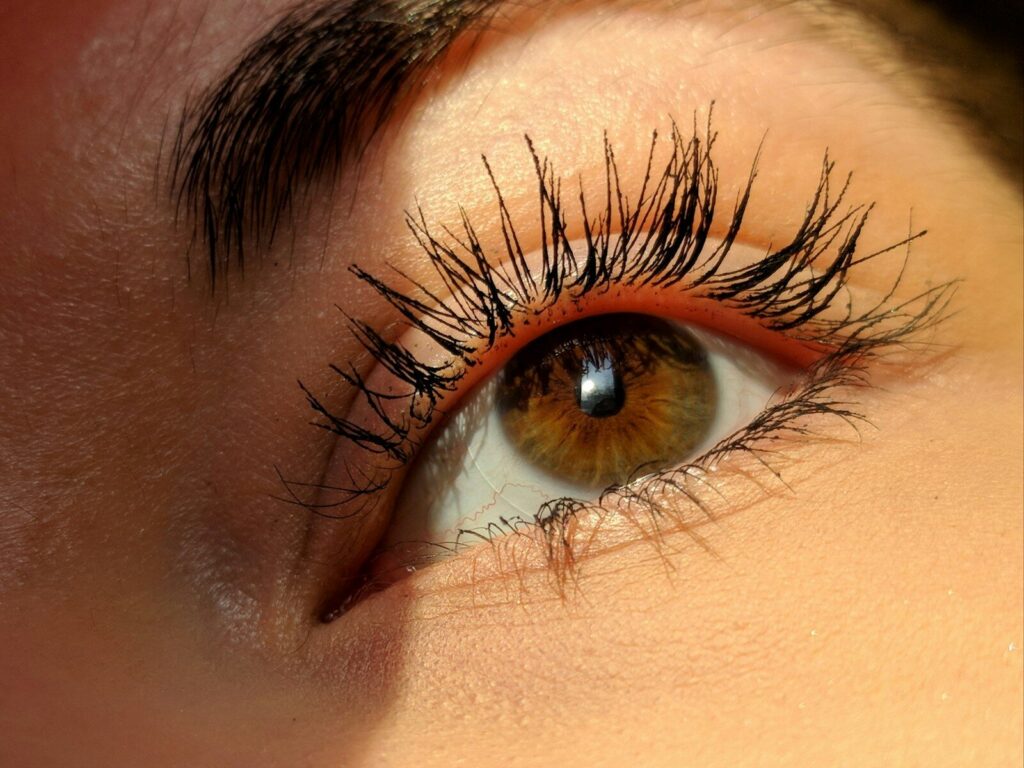
Lash popcorning describes the appearance of small, popcorn-like clusters or gaps along the lash line after an extension set. It happens when some lashes shed or move independently in a way that creates uneven density. The result can look like tiny islands of fullness interrupted by bare spaces, or occasionally a few lashes seem to “pop off” in short bursts while others stay attached. It’s not inherently dangerous, but it’s visually noticeable and can feel disconcerting if you expect a uniform line.
How it relates to natural lash shedding
Your natural lash cycle plays a big role. Lashes cycle through growth, resting, and shedding phases, and extensions attach to each lash at different points in that cycle. If several lashes shed around the same time or if the extension-to-lash bond doesn’t hold evenly across the line, you can see popcorn-like gaps or clumps. This is especially likely when the overall lash health is compromised by factors like oil exposure, friction, or heavy layering that already taxes retention.
“Retention isn’t one-size-fits-all—your lash life story matters as much as the lash set you choose.”
What to look for in real-life maintenance conversations
Notice patterns in your popcorning: does it cluster in a certain area (outer corner, center, or near the inner corner)? Is it worse after certain activities (sleeping face-down, workouts, or applying heavy eye makeup)? These details help your lash artist tailor mapping, lash type, and aftercare guidance to your routine and eye shape.
Common Causes of Popcorning you Should Know
Overloading extensions and heavy adhesives
When extension length, diameter, or curl are too aggressive for your natural lashes, the sheer weight can cause lash breakage or premature shedding that manifests as popcorning. Similarly, a bond that’s too strong or inappropriate for your lash health can create stress at the lash-adhesive interface, leading to uneven retention.
Oil-based products and improper cleansing
Oil-based cleansers or makeup removers near the lash line can break down the adhesive over time, reducing hold and allowing lashes to shed more unpredictably. Regular, gentle cleansing with a lash-safe product helps keep the bond steady and reduces abrupt changes in lash density.
Sleeping patterns and friction
Where you sleep and how you move at night matter. Rubbing or pressing the eye area against pillows can transfer pressure to the lash line, potentially loosening bonds and accelerating shedding in certain zones. A few simple changes—like sleeping on your back—can help even out wear over time.
“Your routine between appointments is as important as the appointment itself—consistency protects your lash line.”
Natural lash health and shedding cycles
Healthy lashes shed in a controlled pattern. If a cluster of lashes drops during a shedding phase, the extensions attached to those lashes may come off with them, leaving temporary gaps. This isn’t a failure of artistry; it’s a natural process that can be managed with thoughtful maintenance and timing.
Preventing Lash Popcorning: A Practical Roadmap
Pre-appointment checks and lash health
Before you book a fill or new set, assess your lash health. Are you experiencing unusual shedding, irritation, or lash breakage? If your lashes look thin or brittle, a custom plan that prioritizes lash health—perhaps with a lighter set or longer healing period—may prevent popcorning down the line. Transparent mapping, where the technician notes lash health and density in key zones, helps tailor the approach to your eye shape and lifestyle.
During application: technique that supports retention
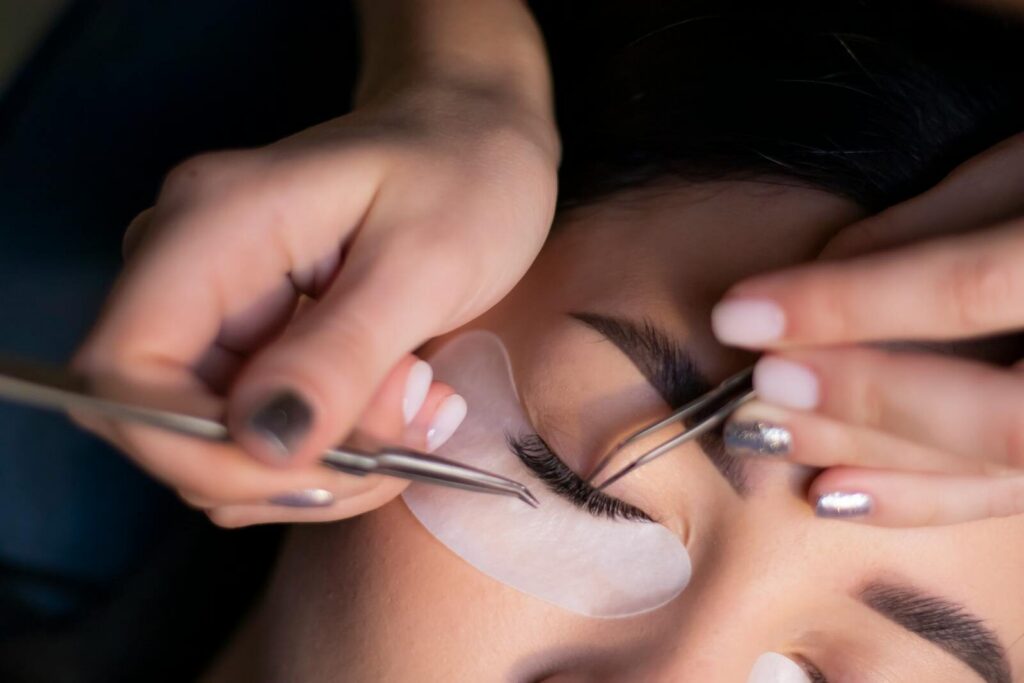
A thoughtful approach to lash mapping and adhesive choice can minimize popcorning. Techniques that favor consistent base-to-lash connections, balanced distribution of extensions, and avoidance of excessive weight on any single lash tend to hold up better across the natural lash cycle. It’s not about chasing a dramatic look at the expense of lash health; it’s about aligning extension profile with the lash’s natural behavior.
Post-care routine to protect the lash line
Care between appointments is where many popsocning issues are prevented or amplified. Keeping the lash line clean, avoiding oil-based products near the lashes, and protecting the set from excessive moisture for the first 24 to 48 hours after service can preserve the adhesive bond. When in doubt, opt for lash-safe products and follow your artist’s personalized aftercare plan.
A simple care checklist to prevent popcorning
- Use a clean, lash-safe cleanser daily and avoid oil-based removers near the lash line.
- Avoid rubbing or tugging the eyes; this stresses both lashes and bonds.
- Sleep on your back whenever possible to reduce friction on the lash line.
- Limit waterproof mascara on extensions unless recommended by your artist; if you do wear it, choose a water-based formula and apply sparingly to the tips only.
- Keep heat sources away from the eye area to minimize bond breakdown.
- Stay hydrated and maintain overall lash health—healthy lashes retain better.
- Schedule timely maintenance for fills to address gaps before they widen.
What to Do If Popcorning Appears Between Appointments
First steps to assess severity
If you notice popcorning between visits, first assess the severity: are the gaps minor or visibly uneven across the lash line? Is there any tenderness, itching, or redness? A light, consistent shedding pattern is common, but sudden irritation or significant changes may warrant a professional check before proceeding with a fill.
Choosing the right next service: fill vs retreatment
Small gaps can sometimes be addressed with a standard fill focused on reinforcing the existing line. In other cases, a light retreatment or a brief break to reassess lash health may be wiser. Your lash artist will guide you toward a plan that preserves lash health while maintaining the look you love.
When to consult a professional immediately
If you experience persistent irritation, a reaction to adhesive, or vision changes, stop wearing extensions and seek an eye-care professional promptly. Safety and comfort should always come first, and a professional can help determine whether a reactive adhesive or another issue is at play. For reference on safety best practices, reputable sources from ophthalmology organizations provide clear guidelines for lash extensions safety and care.
Realistic Maintenance: Setting Expectations for Results
Retention varies by lash health and lifestyle
Every set is unique. Factors like natural lash diameter, curl type, daily activities, and how well you adhere to aftercare influence retention. It’s common for some clients to experience longer-lasting sets with lighter extensions and meticulous aftercare, while others may see more rapid changes due to lifestyle or lash health. Framing expectations around your own lash life story helps you plan better maintenance.
Maintenance cadence for different clients
Some clients may benefit from more frequent, shorter maintenance intervals to keep density even and reduce gaps. Others—especially those who prioritize a low-maintenance routine—might opt for longer intervals with lighter sets. A personalized plan that respects your natural lash health often yields the most flattering, durable results without compromising lash integrity.
“A well-maintained set respects your natural lashes and still looks polished—maintenance is part of the art.”
When you’re evaluating options, the conversation should include how your eye shape, lifestyle, and daily products interact with your lash routine. For instance, oil-based cleansers and certain makeup removers can undermine retention, while sleeping positions and exercise habits can affect how evenly lashes wear over time. It’s not just about the initial look; it’s about the ongoing dialogue between your lifestyle and your lashes.
If you’re feeling uncertain about how to tailor a plan for your eye shape or daily routine, a professional consultation can help you balance longevity with aesthetics. For safety and best-practice guidance, you can review ophthalmology resources on lash extensions safety, which emphasize trained application and mindful aftercare as core pillars of healthy results. Estetica is here to help translate that guidance into a plan that fits your life and your goals.
To take a practical next step, consider scheduling a consultation at Estetica so we can map a plan that respects your natural lash health, daily routine, and desired look. By addressing lash health, application technique, and aftercare together, you can reduce the odds of popcorning while maintaining a cohesive, flattering lash line.