
If you have sensitive skin, the thought of waxing can feel like a gamble. You want smooth results, but you are worried about redness, bumps, or a reaction that lingers longer than the hair is gone. That concern is not unfounded, but it also does not mean waxing is off the table. The real question is whether irritation is inevitable or whether the right approach can keep your skin calm. This article breaks down what actually causes waxing irritation, how to tell if your skin is truly sensitive or just reactive, and what you can do before, during, and after your appointment to minimize discomfort.
What causes waxing irritation on sensitive skin?
Waxing irritation happens when the skin’s barrier is temporarily disrupted. The wax adheres to the hair and, when removed, also pulls at the top layer of dead skin cells. For sensitive skin, this can trigger redness, swelling, or small bumps. But the severity depends on several factors, including the type of wax used, the technique, and your skin’s current condition.
Hard wax vs. soft wax for sensitive skin
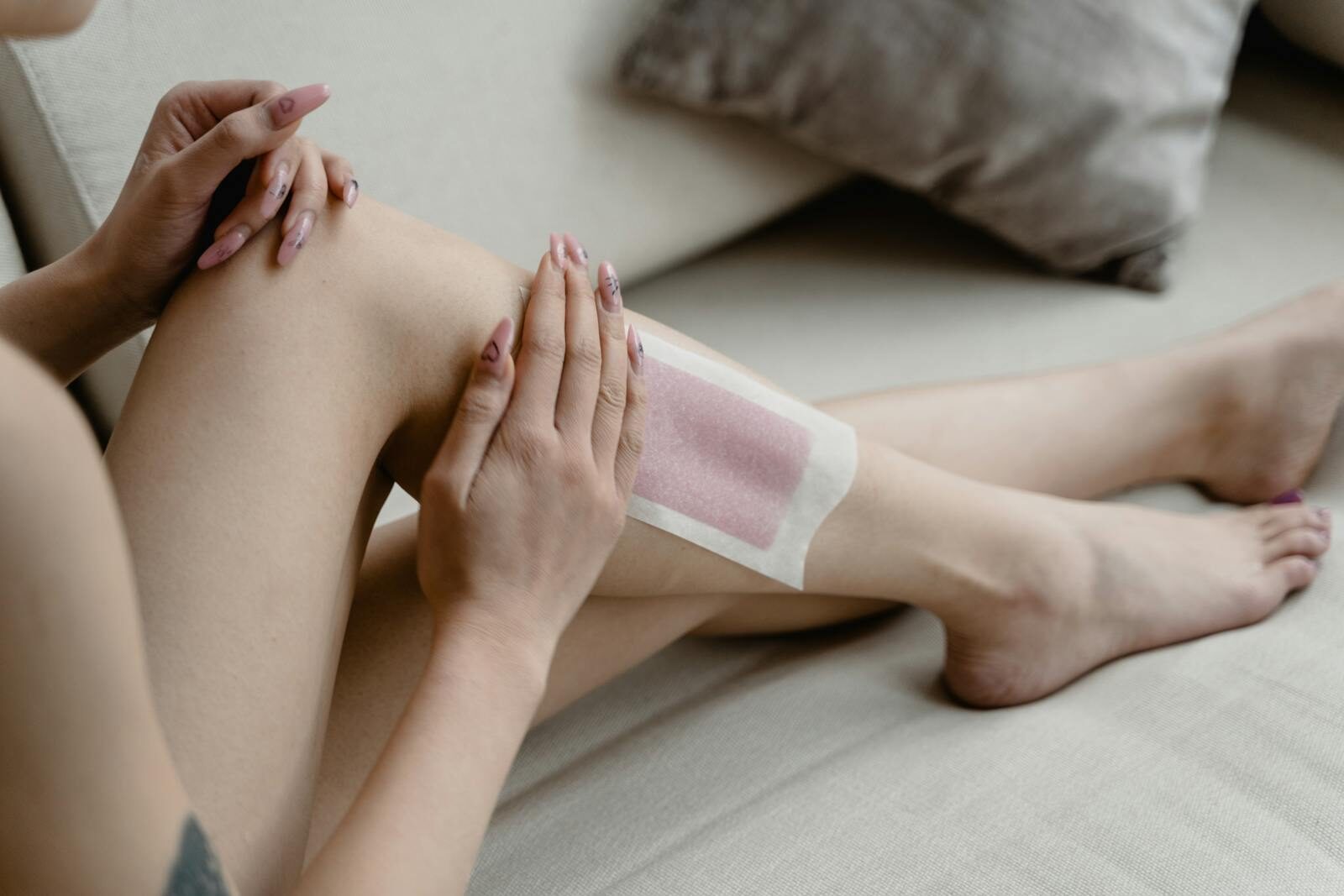
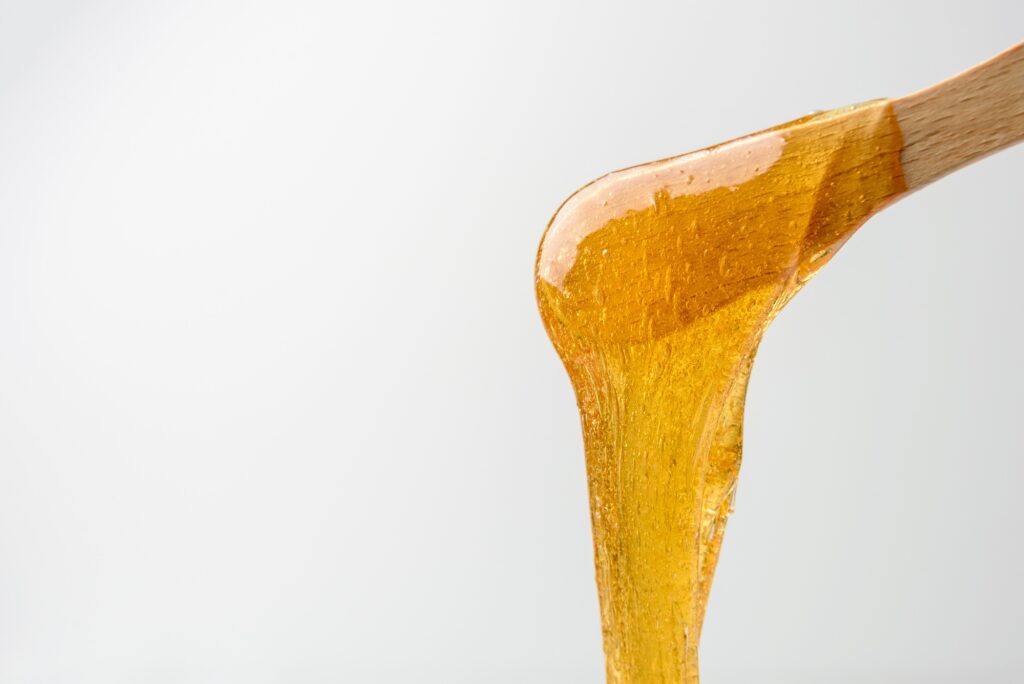
Hard wax is often the better choice for sensitive areas because it adheres only to the hair, not the skin. It is applied thicker and removed without a strip, which reduces pulling on the skin’s surface. Soft wax, on the other hand, is spread thinly and removed with cloth or paper strips. It can grab more skin, which may increase irritation. If you have sensitive skin, ask your esthetician to use hard wax, especially on the face, underarms, and bikini line.
Skin condition at the time of waxing
Your skin’s state before the appointment matters. If you have sunburn, active breakouts, or have used retinol or exfoliating acids recently, your skin is more vulnerable. Waxing over compromised skin can lead to more irritation or even lifting of the skin. It is important to be honest with your esthetician about any products you are using, especially prescription retinoids, because they can make the skin more fragile.
How to prepare for a waxing appointment if you have sensitive skin
Preparation can reduce the risk of irritation. Here is what to do in the days before your appointment:
- Stop exfoliating 48 hours before waxing.
- Avoid sun exposure and tanning beds for at least 48 hours.
- Skip retinoids, AHAs, and BHAs for 3 to 5 days before, depending on your skin’s tolerance.
- Moisturize daily, but do not apply lotion on the day of your appointment.
- Let the hair grow to at least 1/4 inch so the wax can grip the hair, not the skin.
If you are prone to redness, you can take an antihistamine 30 minutes before your appointment, but only if you have done so before and it is safe for you. Always consult with your esthetician or doctor first.
What to expect during and after waxing
During the appointment, your esthetician should assess your skin and adjust the wax type and temperature. The wax should be warm, not hot, to avoid burns. After the service, you can expect some redness that usually fades within a few hours. For sensitive skin, it may last up to 24 hours. If you see persistent redness, bumps, or unusual discomfort, contact your esthetician or a healthcare professional.
Immediate aftercare for sensitive skin
For the first 24 hours after waxing:
- Avoid hot showers, saunas, and steam rooms.
- Do not apply deodorant, perfumed lotions, or makeup to the waxed area.
- Wear loose, breathable clothing to reduce friction.
- Apply a gentle, fragrance-free moisturizer or aloe vera gel to soothe the skin.
- Do not touch or scratch the area.
Long-term care to prevent ingrown hairs and irritation
After the first day, you can gently exfoliate every other day to prevent ingrown hairs. Use a soft washcloth or a gentle sugar scrub. Moisturize daily to keep the skin barrier healthy. Avoid tight clothing and heavy workouts that cause friction. If you are prone to ingrown hairs, consider using a product with salicylic acid, but only after the skin has fully calmed down.
When waxing might not be the best option
There are times when waxing is not ideal, even with the best preparation. If you have active eczema, psoriasis, or a skin infection in the area, waxing can worsen it. If you are taking medications that increase skin sensitivity, such as certain acne treatments, your esthetician may recommend a different hair removal method. It is always better to have a consultation before your first wax to discuss your skin history and any concerns.
How to choose the right waxing professional in Glen Rock, NJ
Finding a professional who understands sensitive skin is key. Look for a studio that offers a consultation before the service, uses high-quality hard wax, and follows strict hygiene practices. Ask about their aftercare recommendations and whether they have experience with sensitive skin. A good esthetician will ask about your skin history and adjust the service accordingly. At The Estetica in Glen Rock, NJ, the focus is on personalized care, which means your waxing service is tailored to your skin’s needs, not a one-size-fits-all approach.
Frequently asked questions about waxing and sensitive skin
Can I wax if I have sensitive skin?
Yes, you can wax with sensitive skin, but you need to take extra precautions. Choose a professional who uses hard wax, prepare your skin properly, and follow aftercare instructions. If you have a known skin condition, consult with your esthetician first.
How long does redness last after waxing?

Redness usually fades within a few hours, but for sensitive skin, it can last up to 24 hours. If redness persists longer or is accompanied by pain or swelling, contact your esthetician or a healthcare provider.
What should I avoid after waxing?
Avoid hot water, tight clothing, heavy exercise, and any products with fragrance or alcohol for at least 24 hours. Also, do not use exfoliants or retinoids on the waxed area until the skin has fully recovered.
Is hard wax better for sensitive skin?
Yes, hard wax is generally better for sensitive skin because it adheres to the hair, not the skin, reducing pulling and irritation. Soft wax can be more irritating because it grabs the skin more.
Can I use numbing cream before waxing?
Some estheticians offer numbing creams, but they should be used with caution. Numbing creams can mask pain and may cause allergic reactions. It is best to discuss this with your esthetician before your appointment.
Waxing with sensitive skin is not a myth, but it is also not a guaranteed disaster. With the right preparation, the right professional, and the right aftercare, you can achieve smooth results without excessive irritation. If you are in Glen Rock, NJ, and want a waxing experience that respects your skin’s sensitivity, book a consultation at The Estetica to discuss your needs and find the best approach for you.