

If you have sensitive skin, the thought of waxing can bring up a familiar worry: redness, bumps, or a reaction that lingers longer than the smooth result. That concern is valid, and it is also manageable. With the right preparation, technique, and aftercare, waxing can still fit into your beauty routine without turning into a guessing game. This article walks through what to expect, how to prepare, and what to ask before booking a waxing appointment in Glen Rock, NJ.
Why sensitive skin reacts to waxing
Sensitive skin reacts to waxing because the process removes hair from the follicle, which creates a temporary inflammatory response. That response can show up as redness, warmth, or small bumps. The reaction is usually short-lived, but it can feel alarming if you do not expect it. The key is to distinguish between a normal response and a sign that something needs to change.
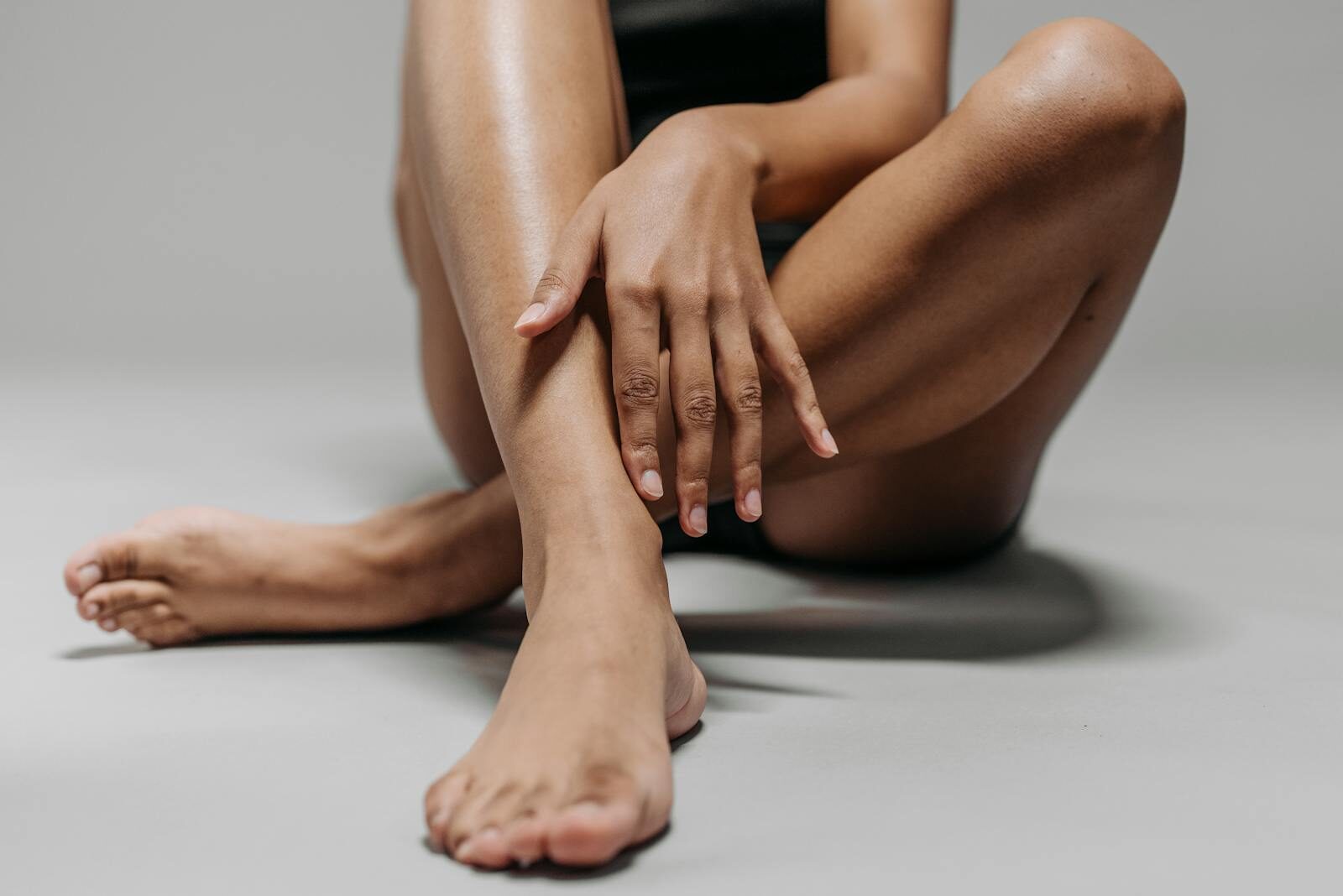
Factors that influence how your skin responds include:
- Your skin barrier health before the appointment
- The type of wax used and its temperature
- The technique of the esthetician
- Your skincare products in the days before and after
- Your hormonal cycle and stress levels
Understanding these variables helps you take control instead of feeling like your skin is unpredictable.
What a normal reaction looks like
A normal reaction after waxing is mild redness that fades within a few hours, sometimes up to 24 hours. You may also notice tiny red dots where the hair was removed, especially if you have fine hair. These are not ingrown hairs; they are the hair follicles responding to the removal. They usually calm down quickly with proper aftercare.
When it is not just sensitivity
If you experience intense pain, swelling, blistering, or a rash that spreads, that is not typical sensitivity. That could indicate an allergy to the wax or a skin condition that needs professional attention. In that case, stop using any new products, avoid further waxing, and consult a dermatologist or your healthcare provider.
How to prepare sensitive skin before a wax
Preparation starts days before your appointment, not the morning of. The goal is to calm your skin and make sure it is in the best condition to tolerate the wax.
Follow these steps in the 48 hours before your appointment:
- Stop using retinol, retinoids, or strong exfoliating acids on the area to be waxed. These can thin the skin and increase sensitivity.
- Avoid sun exposure and tanning beds. Sunburned or freshly tanned skin is more fragile and more likely to react.
- Skip harsh scrubs. Instead, gently cleanse the area with a mild, fragrance-free cleanser.
- Moisturize daily with a simple, fragrance-free lotion to keep the skin barrier hydrated.
- Do not apply heavy creams or oils on the day of the appointment, as they can interfere with the wax adhering to the hair.
What to tell your esthetician
Be upfront about your skin type and any past reactions. A professional esthetician can adjust the wax type, temperature, and technique. For example, hard wax is often gentler on sensitive skin because it adheres only to the hair, not the skin. You can also ask for a patch test on a small area if you are trying a new wax formula.
What to expect during a sensitive-skin waxing session
During the appointment, your esthetician should check the skin before starting. If the skin looks irritated, broken, or sunburned, they may recommend rescheduling. That is a sign of a responsible studio, not an inconvenience.
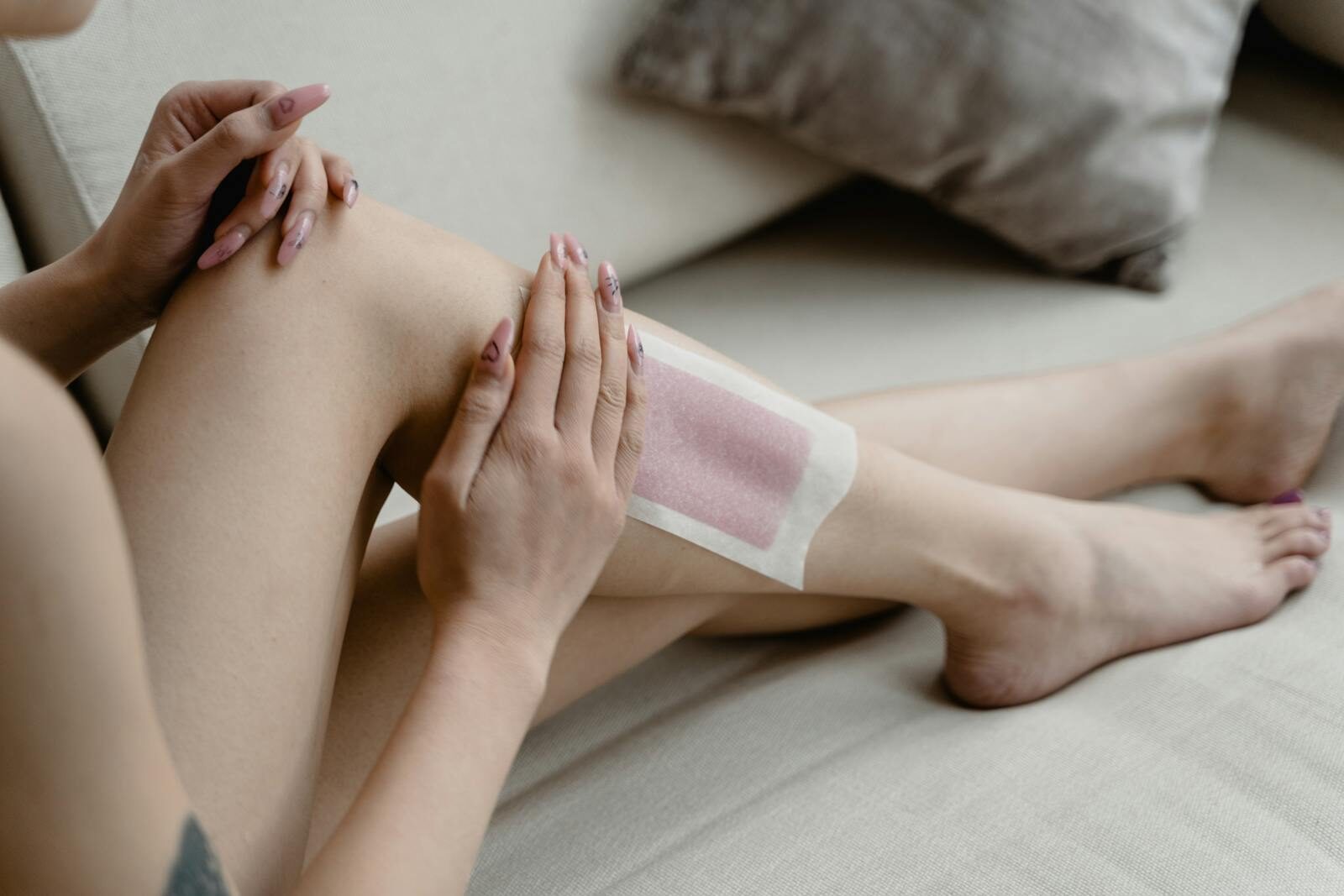
The waxing itself should be quick and precise. The esthetician will pull the skin taut and remove the strip or hard wax in one swift motion. You may feel a sting, but it should not be unbearable. If you feel sharp, tearing pain, speak up. That could mean the wax is too hot, the technique is too aggressive, or the hair is too short.
Aftercare for the first 24 hours
What you do after the wax matters as much as the preparation. In the first 24 hours, your skin is more vulnerable to irritation and infection.
- Avoid hot showers, saunas, steam rooms, and intense workouts that cause heavy sweating.
- Do not touch the area with unwashed hands.
- Skip tight clothing that rubs against the waxed area.
- Do not apply deodorant, perfume, or heavily scented lotions to the area.
- Use a gentle, fragrance-free moisturizer or a calming product with aloe vera or chamomile, if your skin tolerates them.
Long-term aftercare to prevent ingrown hairs
After the first 24 hours, you can start exfoliating gently to prevent ingrown hairs. Wait two to three days, then use a soft washcloth or a mild exfoliating scrub. Do not over-exfoliate, as that can irritate sensitive skin. A salicylic acid or glycolic acid toner can help, but introduce it slowly and only if your skin accepts it.
Choosing the right waxing service for sensitive skin
Not all waxing services are the same. The type of wax, the technique, and the products used can make a significant difference for sensitive skin.
Wax Type Best For Why It Helps Sensitive Skin Hard wax Smaller areas like brows, upper lip, underarms Adheres only to the hair, not the skin, reducing pulling on the skin surface. Soft wax with strips Larger areas like legs and arms Can be efficient, but the strip pulls on the skin more. Ask for a gentle formula. Fragrance-free wax Anyone with allergies or sensitivities Avoids added irritants that can trigger reactions.
At The Estetica in Glen Rock, NJ, the focus is on personalized care. That means the esthetician will consider your skin type, hair texture, and pain tolerance before choosing the approach. You can ask about the wax brands they use and whether they offer fragrance-free options.
Questions to ask before booking
Before you book, ask these questions to ensure the studio is a good fit for your skin:
- What type of wax do you use, and is it suitable for sensitive skin?
- Do you do a patch test before the full appointment?
- How do you handle a client who has a reaction during the service?
- What aftercare products do you recommend for sensitive skin?
- Can I see a list of ingredients in the wax and post-wax products?
Alternatives to waxing for sensitive skin
If you have tried waxing and your skin consistently reacts badly, you may want to consider alternatives. But first, give waxing a fair chance with proper preparation and a skilled professional. Many people who thought they could not wax find that the right technique changes everything.
If you still decide waxing is not for you, options include:
- Sugaring, which uses a paste made of sugar, lemon, and water. It is applied at room temperature and can be gentler on the skin.
- Laser hair removal, which targets the hair follicle and can reduce hair growth over time. This requires a consultation and a series of sessions.
- Depilatory creams, but these can be irritating and are not recommended for sensitive skin without a patch test.
Talk to a professional about your skin history before choosing an alternative. What works for one person may not work for you.
Frequently asked questions about waxing and sensitive skin
Can I wax if I have eczema or psoriasis?
Waxing over active eczema or psoriasis flare-ups is not recommended. The wax can irritate the affected skin and worsen the condition. Wait until the flare-up clears, and always consult your dermatologist first.
How long should I wait between waxing appointments?
Typically, every four to six weeks, depending on your hair growth cycle. For sensitive skin, it is better to wait until the hair is long enough (about a quarter of an inch) to ensure a clean removal without pulling on the skin.
Will waxing make my hair grow back thicker?
No. Waxing removes hair from the root, and over time, hair can grow back finer and sparser. It does not change the number of hair follicles.
What should I do if I get a severe reaction after waxing?
If you experience severe pain, swelling, blistering, or a rash that spreads, seek medical advice. Stop applying any new products to the area and avoid further waxing until you know the cause.
Your skin is not a problem to be solved. It is a guide. When you listen to it, prepare it, and choose a professional who understands it, waxing can be a comfortable part of your routine. If you are in the Glen Rock area, consider booking a consultation at The Estetica to discuss your skin concerns and find the best approach for you.