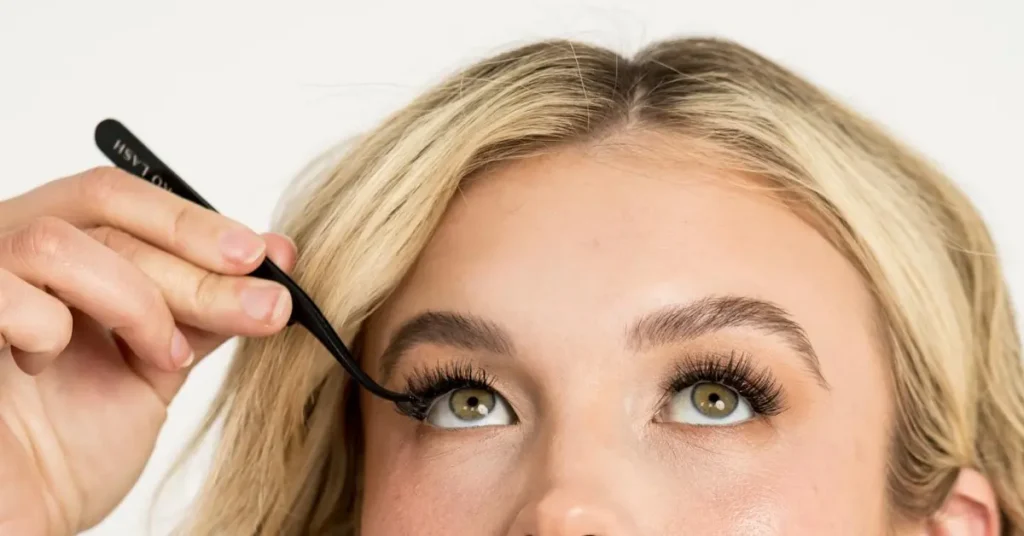
Choosing volume lashes for a low-maintenance routine comes down to one decision: how much density you can wear comfortably without turning your schedule into a cycle of emergency fills. At The Estetica in Glen Rock, NJ, we build volume sets around natural lash health first, then curl, length and placement, so the result reads polished on day one and still looks intentional three weeks later. This guide covers what to ask for in a consultation, how to plan fills around your lash cycle, and the aftercare habits that actually protect retention.
Volume lashes vs. classic and hybrid: what low-maintenance really means
Volume lashes attach a fan of multiple ultra-light extensions to a single natural lash, which creates density without the weight of a heavier single extension. Low-maintenance does not mean no maintenance. It means the set is matched to your lash density, your lash cycle and your realistic tolerance for upkeep.
- Classic lashes: one extension per natural lash. The lightest feel and often the easiest starting point.
- Hybrid lashes: a mix of classic and volume. Fullness with a softer, less uniform finish.
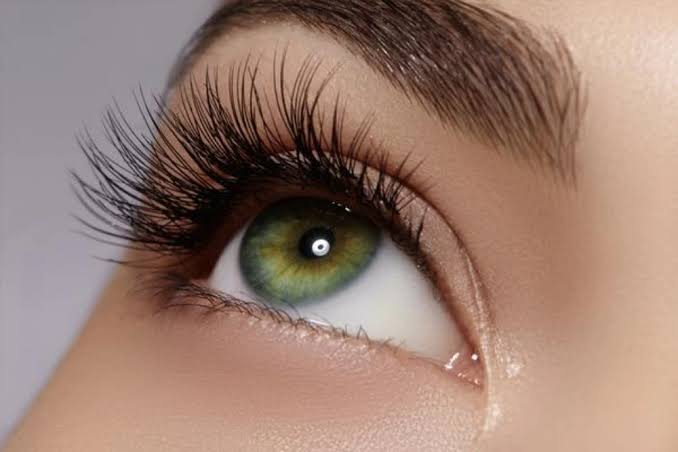
- Volume lashes: hand-built fans for noticeable density. Works when fan weight and size suit your natural lashes.
If you are still weighing the basics, our guide to classic vs volume lashes breaks down how each set behaves as it grows out.
Quick decision matrix for a low-maintenance goal
- Soft fullness, fewer touch-up moments: ask about hybrid or a lighter volume density.
- Noticeable density but comfortable: properly weighted volume, not mega volume.
- Fine or sparse natural lashes: volume can work, but only when fans are sized to your lash strength and cycle.
- Very active schedule, minimal routine: start lighter than you think you want, then add density at your first fill.
What to ask for in your volume lash consultation
The consultation is where a low-maintenance set is won or lost. Ask for a density level, curl and mapping that stay balanced as lashes shed, rather than a look that only photographs well on appointment day.
Choose fan size and density with your lash count in mind
Not all volume sets are equal. A denser set is not automatically a better one. Ask your artist to match density to how many natural lashes you have and how strong they are.
- Lighter volume tends to look more natural and feels easier day to day.
- Higher density can look beautiful but usually shows gaps sooner as natural lashes shed.
Match curl and length to your eye shape
Curl and length change how the set sits and how obvious regrowth becomes.
- Length that is too long can drag the eye down and make gaps more visible.
- The wrong curl can send lashes in different directions and feel less comfortable.
- Hooded or almond eyes often benefit from a different mapping than round eyes.
Ask for intentional mapping, not just a style name
Two clients can request volume glam and leave with very different results. Placement is what makes a set blend into the natural lash line.
- Ask whether the set will be mapped to your eye shape rather than applied in one uniform pattern.
- Request a look that stays balanced when some lashes shed between fills.
- Say plainly that you want a natural result; artists can only adjust what they know you want.
How to pick volume lashes that stay comfortable between fills
Comfort drives retention. If lashes feel heavy or scratchy, you touch them more, cleanse less consistently and shorten the life of the set. A comfortable set is a low-maintenance set.
Comfort checklist for your appointment
- Appropriate weight: the set should feel light enough for your natural lashes to carry.
- Secure isolation: lashes stuck together tug during cleansing and shed unevenly.
- Balanced coverage: fullness distributed across the lash line, not clustered in one area.
- No scratching or pinching: speak up during the appointment if anything feels off.
Choose a look that fits your daily habits
- Glasses wearers: ask for placement that will not rub against frames.
- Side sleepers: a curl and length that tangle less overnight will hold up better.
- Frequent workouts: plan for consistent cleansing and keep oil-based products away from the lash line.
- Contact lens wearers: mention it so length and curl are chosen with lens comfort in mind.
Common mistakes and the practical fix
- Requesting mega volume from a photo when your lashes are fine: ask for lighter volume with the same eye shape effect.
- Stretching fills too far: set a fill window based on your shedding pattern, not on convenience.
- Skipping lash cleansing: use a lash-safe cleanser gently at the base to prevent buildup.
- Oil-based products near the lash line: switch to oil-free options and keep skincare a little farther from the base.
- Rubbing eyes after washing: pat dry and leave lashes alone while they finish drying.
Maintenance planning: how often you really need fills
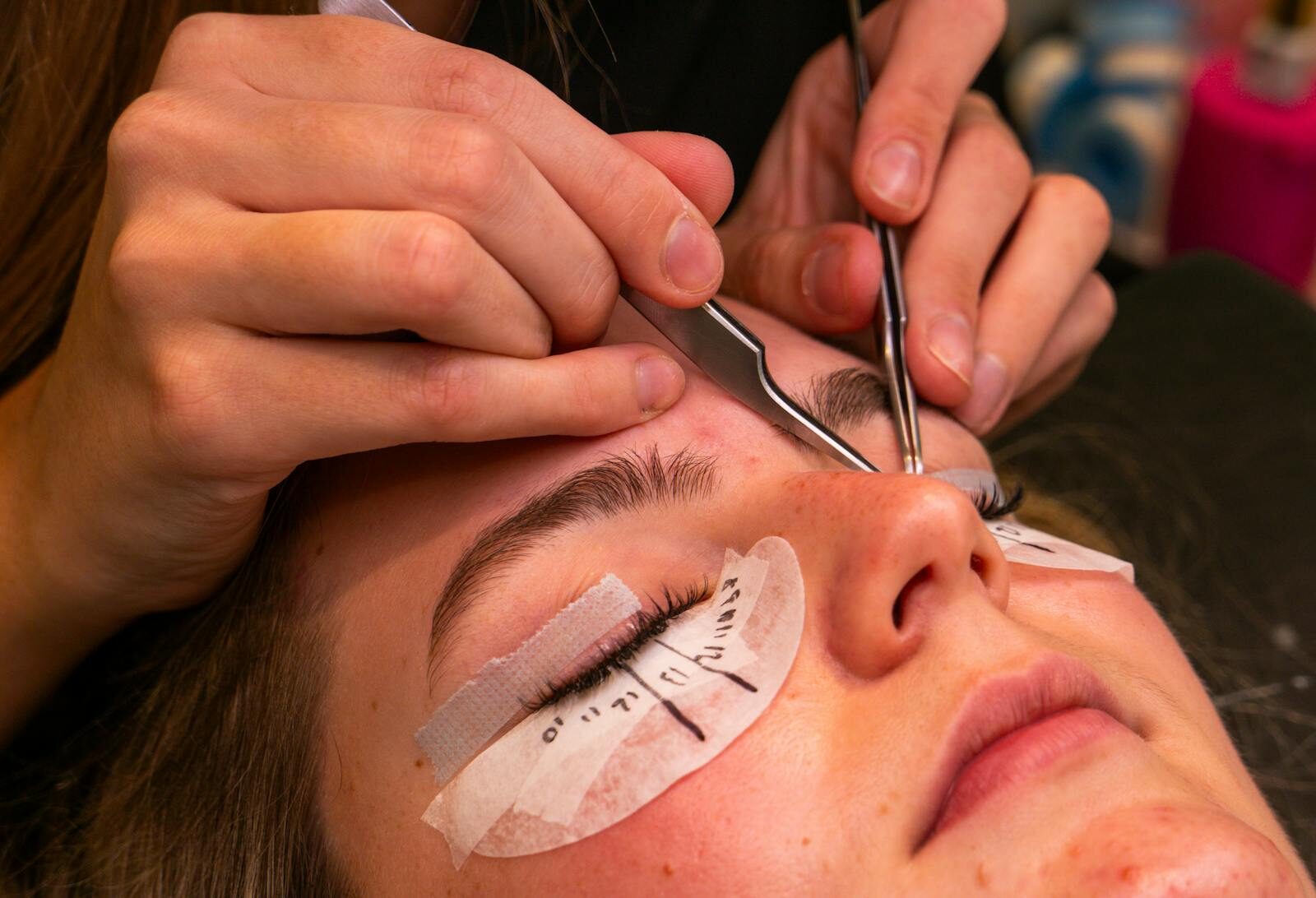
Fill timing depends on your lash cycle, your lash health and your aftercare, so no single schedule fits everyone. Plan around how your lashes actually behave rather than guessing, and expect your artist to adjust the window as your set settles.
Signs it is time for a fill
- Visible gaps along the lash line, especially at the outer corners.
- Uneven density where some sections look fuller than others.
- Lashes pointing in different directions as regrowth changes the pattern.
- The set no longer holds its shape even with your usual cleansing routine.
A fill strategy that works for most low-maintenance clients
- Book your next fill before you leave the studio, using the window your artist recommends.
- Do not stretch the window if you want a consistently polished result.
- Ask your artist to adjust density at the fill if your routine has become busier.
- If you are new to extensions, read our guide on how long lash extensions last before you commit to a schedule.
Aftercare checklist for the first 24 to 48 hours
- Keep the lash area dry for the time your artist recommends.
- Skip steam rooms, saunas, heavy sweating and rubbing.
- Cleanse only when your artist approves it for appointment day.
- Keep oil-based removers and heavy creams away from the lash line.
- Sleep on your back if you can, or use a silk pillowcase to reduce friction.
Build your at-home routine without stressing natural lashes
You do not need a complicated routine, just the right products, gentle technique and consistency. That combination is what keeps volume lashes looking full and feeling comfortable between appointments.
What to use
- A lash-safe cleanser formulated for extensions.
- Oil-free skincare around the eye area where possible.
- A clean spoolie only if your artist recommends it for your set.
What to avoid
- Oil-based removers and heavy eye creams close to the lash line.
- Rubbing or pulling when removing makeup.
- Skipping cleansing on days you wear sunscreen, makeup or work out.
How to cleanse and dry without overthinking it
- Cleanse gently at the base of the lashes rather than pulling the tips.
- Rinse as directed on your lash-safe cleanser.
- Pat dry with a clean towel instead of scrubbing.
- Leave lashes alone until they are fully dry.
If you notice burning, swelling or persistent discomfort, stop the product and speak with your artist. For severe or unusual symptoms, seek medical evaluation.
Why personalization matters for volume lashes in Glen Rock, NJ
Clients around Glen Rock and nearby towns usually want a set that holds up through commuting, meetings, kids and workouts. Personalization is what keeps volume lashes low-maintenance instead of turning them into a constant repair cycle.
A consultation at The Estetica centers on your natural lash health, your preferred fullness and your comfort needs. We help you choose the volume level, curl and mapping so the set looks deliberate and blends naturally as it grows out. If you are also considering a lower-commitment option, our comparison of lash lift vs lash extensions explains which one suits which routine.
Bring one to three inspiration photos and tell us what matters most: a soft lift, a fuller center or a wispy cat-eye effect. Ask for a volume plan built around your low-maintenance goal, including an estimated fill window based on your natural lash cycle.
FAQ: volume lashes for low-maintenance routines
Are volume lashes more maintenance than classic lashes?
They can be, but not always. It depends on fan size, density, weight and placement, plus your aftercare. A lighter volume set built for your natural lashes can keep a low-maintenance feel when you fill within your recommended window.
Can volume lashes damage natural lashes?
Damage is not inevitable, but it can happen if the set is too heavy, isolation is poor or aftercare is inconsistent. Results depend on professional application, appropriate weight and your natural lash health. Report unusual discomfort to your artist and seek medical evaluation if needed.
How do I keep volume lashes looking full longer?
Choose a density suited to your natural lashes, cleanse gently with a lash-safe product and keep oil-based products away from the lash line. Plan fills around your shedding pattern so density stays even as lashes cycle.
What should I tell my lash artist for a natural, low-maintenance look?
Say you want soft fullness, share your comfort priorities and be honest about how often you will realistically book fills. Mention eye shape goals and habits like sleeping position, glasses or workouts so mapping and density can be tailored.
What if my lashes shed faster than expected?
That can happen for reasons tied to your lash cycle and natural lash health. If gaps appear earlier than usual, adjust your fill window with your artist and ask whether the set weight or density needs refining.