
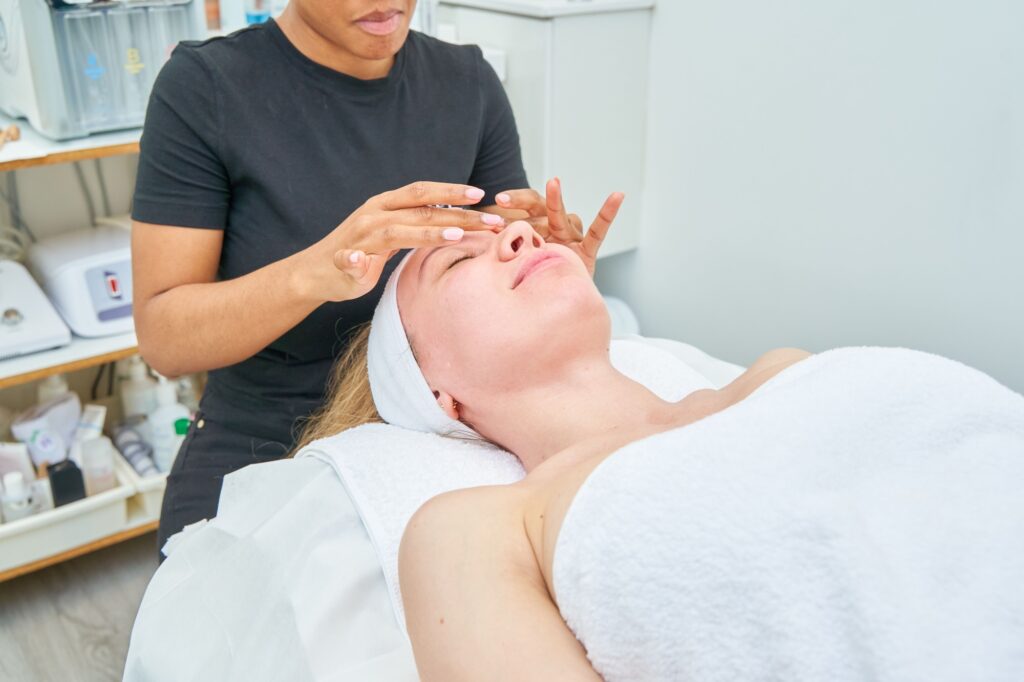
You have a waxing appointment on your calendar, but you are not sure if you should pause your retinol. The answer is not a simple yes or no. It depends on your skin, the strength of your retinol, and how long you have been using it. This article answers the most common questions about retinol and waxing so you can protect your skin and still get the smooth result you want.
Why Does Retinol Affect Waxing?
Retinol speeds up cell turnover, which makes your skin more sensitive and slightly thinner on the surface. Waxing removes hair by pulling it from the root, and it can also pull off the top layer of skin. When your skin is already sensitized by retinol, waxing can cause redness, irritation, or even peeling. This is why most estheticians recommend pausing retinol before a wax.
How Long Should You Stop Using Retinol Before Waxing?
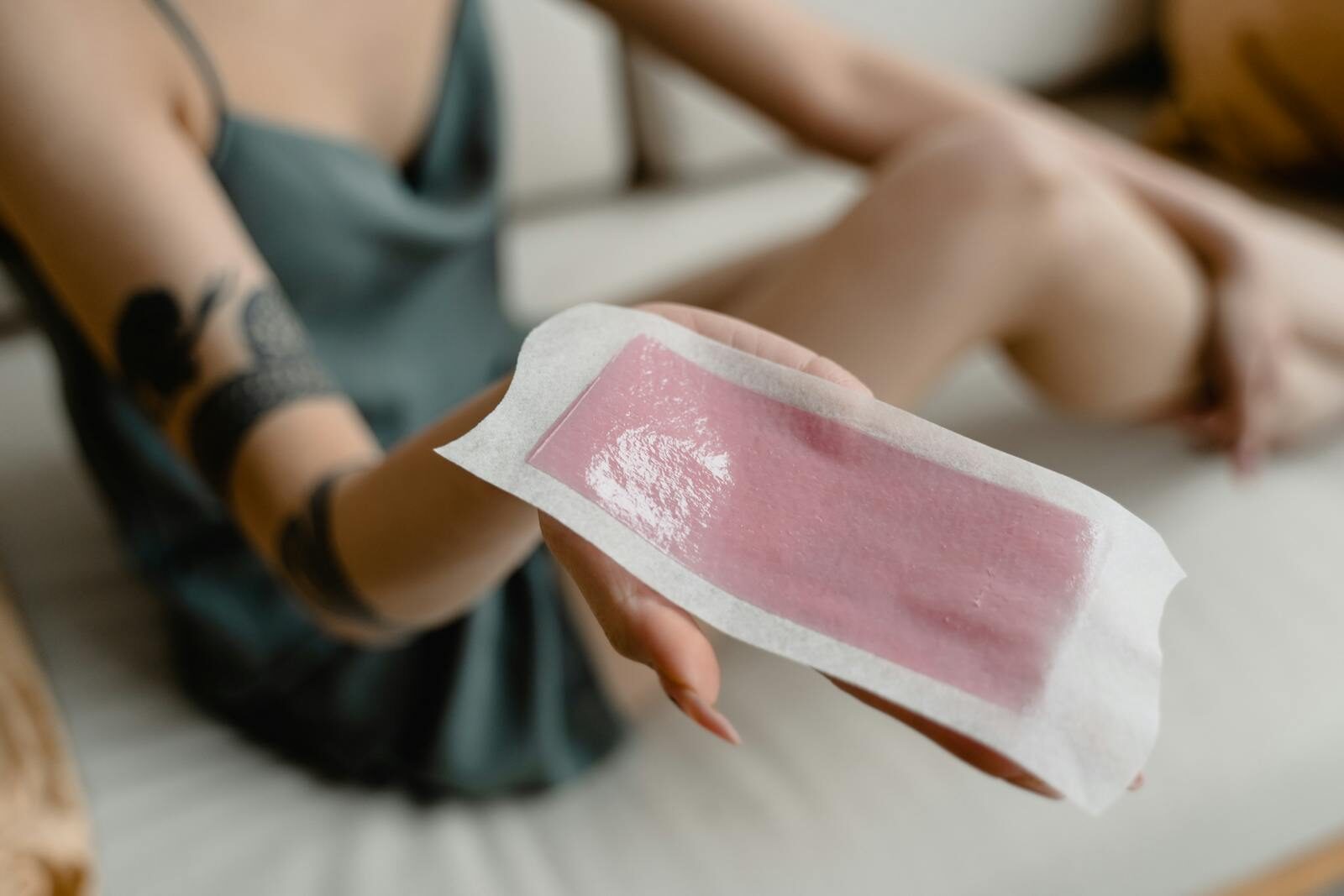
Most professionals suggest stopping retinol 5 to 7 days before your appointment. If you use a prescription-strength retinoid like tretinoin, you may need to stop 7 to 10 days in advance. The exact timing depends on your skin’s reaction and the product you use. If you are unsure, ask your esthetician or dermatologist for a personalized recommendation.
What Happens If You Wax While Using Retinol?
Waxing while using retinol can lead to skin irritation, redness, and in some cases, the wax can lift off the top layer of skin, causing a burn-like reaction. This is more likely if you use a high-strength retinol or if your skin is already sensitive. The risk is not worth the convenience, so it is better to plan ahead.
Can You Use Retinol After Waxing?
You can use retinol after waxing, but not immediately. Your skin needs time to recover. Wait at least 48 to 72 hours before applying retinol to the waxed area. If your skin feels sensitive or looks red, wait longer. Start with a small amount and see how your skin reacts.
What Should You Do If You Forgot to Stop Retinol?
If you forgot to stop using retinol and your appointment is in a day or two, let your esthetician know. They can assess your skin and decide if it is safe to wax. In some cases, they may recommend a different hair removal method, like threading, or suggest rescheduling. Honesty is the best policy to avoid skin damage.
How to Prepare Your Skin for Waxing While Using Retinol
If you use retinol, preparation is key. Here is a simple checklist:
- Stop retinol 5 to 7 days before your appointment.
- Keep your skin hydrated with a gentle moisturizer.
- Avoid other exfoliating products, like acids or scrubs, in the same area.
- Do not use retinol on the day of your wax.
- Tell your esthetician about your retinol use.
Following this routine helps reduce the risk of irritation and ensures a smoother waxing experience.
What Are the Signs Your Skin Needs a Break from Retinol?
Your skin will tell you if it is too sensitive. Look for these signs:
- Redness that lasts more than a day
- Peeling or flaking
- Burning or stinging when you apply products
- Increased sensitivity to touch
If you notice any of these, stop retinol and give your skin time to heal before waxing. Your esthetician can help you decide when it is safe.
When to Talk to a Professional About Retinol and Waxing
If you are unsure about how retinol affects your skin, talk to a professional. At The Estetica in Glen Rock, NJ, our estheticians can assess your skin and provide personalized advice. We can also recommend alternative hair removal methods if retinol is a concern. Your skin’s health is our priority, and we want you to feel confident and comfortable at every appointment.
Before your next wax, review your retinol routine and plan ahead. If you have any doubts, book a consultation with us. We will help you choose the safest approach for your skin, so you can enjoy smooth, beautiful results without worry.