
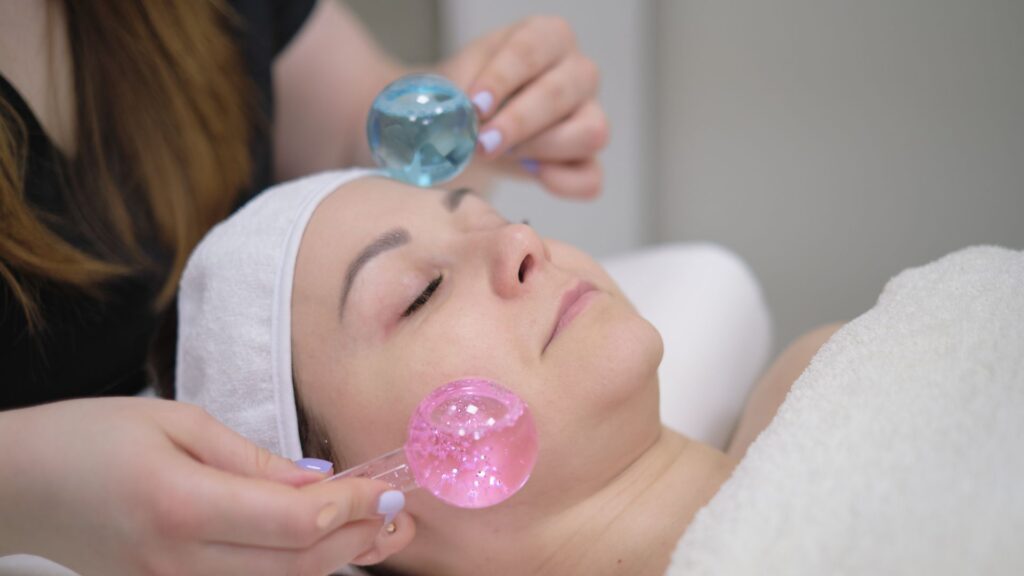
Retinol before waxing is a topic that raises a lot of questions, especially if you are new to retinoids or have recently started a retinol serum. The confusion is understandable: some sources say stop using retinol a week before waxing, others say three days, and some say it is fine as long as you do not wax over broken skin. The truth is that retinol makes skin more sensitive and more prone to lifting, so the real question is not just about timing, but about your skin’s current tolerance, the strength of your retinol, and the area you are waxing. This article walks you through the most common mistakes women make when interpreting retinol and waxing guidelines, so you can avoid irritation, peeling, and an uncomfortable appointment.
What Happens When You Wax Over Retinol-Treated Skin?
Waxing removes hair by pulling it out from the root, which also removes the top layer of dead skin cells. Retinol speeds up cell turnover, leaving a thinner, more vulnerable top layer. When you wax over skin that has been recently exposed to retinol, you are more likely to experience redness, peeling, or even skin tearing. This is why most estheticians recommend pausing retinol before a wax, but the exact window depends on your skin’s reaction and the product you use.
Why the 7-Day Rule Is Not Always Enough
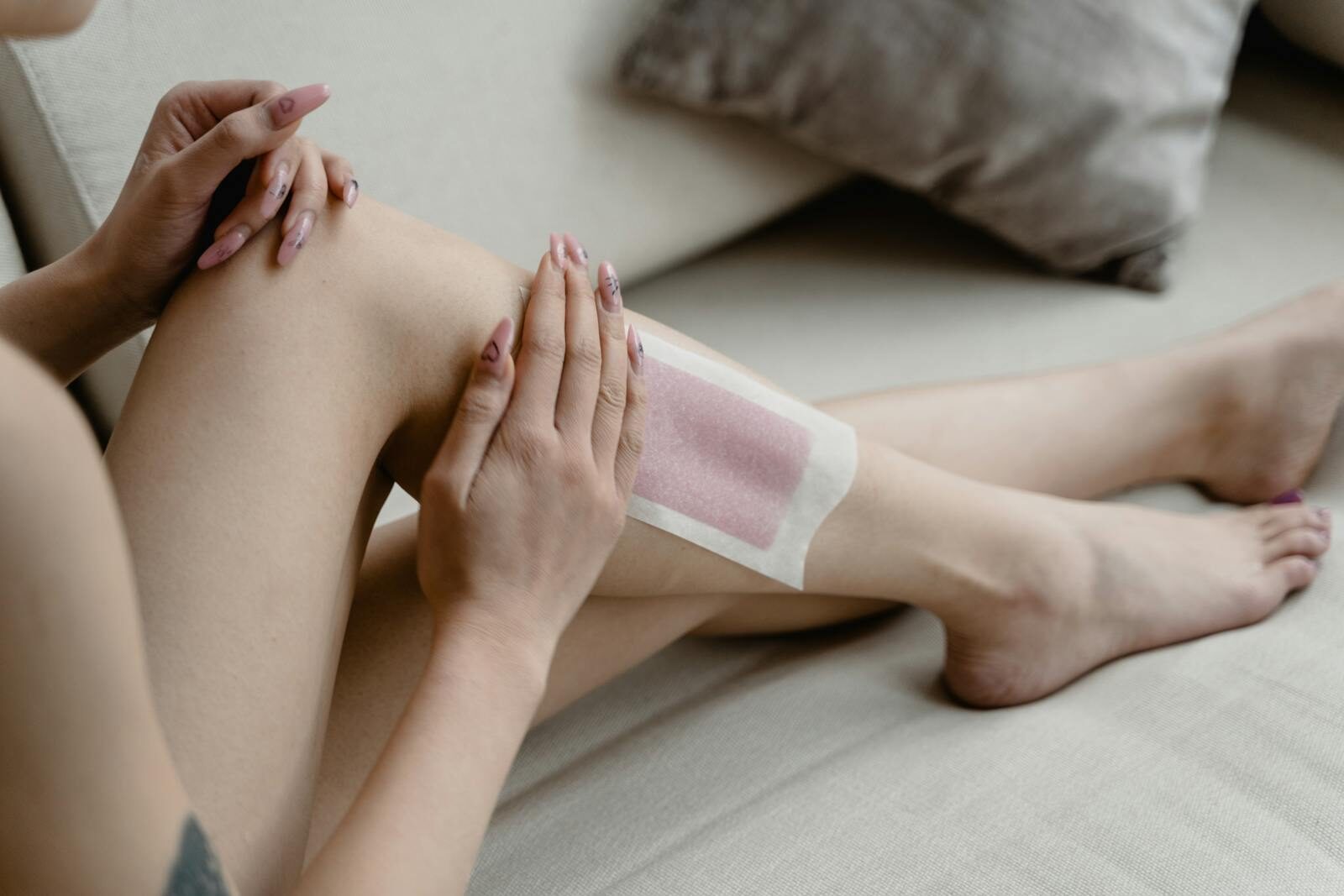
The common advice to stop retinol seven days before waxing is a general guideline, but it does not account for individual skin sensitivity. If you have been using a prescription-strength retinol (like tretinoin) for months, your skin may still be sensitive after a week. On the other hand, if you use a gentle over-the-counter retinol every few days, a shorter pause might be fine. The safest approach is to know your skin and talk to your esthetician about your retinol routine before booking.
How Retinol Strength Affects Your Waxing Appointment
Retinol comes in different strengths, from 0.1% to 1% or more. The stronger the product, the longer your skin needs to recover. If you are using a high-strength retinol or a prescription formula, your esthetician may recommend stopping two weeks before waxing. For lighter formulations, a week is often enough. Do not assume that a short pause is safe just because you have not seen visible peeling. Your skin can still be compromised even if it looks normal.
Common Mistakes When Interpreting Retinol and Waxing Guidelines
Even when you know the general rules, it is easy to make mistakes that lead to irritation or a wasted appointment. Here are the most frequent ones we see at The Estetica in Glen Rock, NJ.
Mistake 1: Assuming All Retinoids Are the Same
Retinol, retinaldehyde, retinoic acid, and adapalene are all retinoids, but they have different potencies and half-lives. Prescription tretinoin is much stronger than over-the-counter retinol, and it stays in the skin longer. If you switch between products, you need to adjust your pause period accordingly. Always tell your esthetician exactly what you are using, including the brand and percentage.
Mistake 2: Stopping Retinol Only on the Day of Waxing
Some clients think that skipping retinol the morning of their wax is enough. That is not the case. Retinol affects the skin’s barrier over time, so you need to stop several days before, not just on the day. The skin needs time to rebuild its protective layer. A single missed dose does not undo the cumulative effect of weeks of retinol use.
Mistake 3: Waxing Over Areas with Active Breakouts
Retinol is often used to treat acne, so you might be tempted to wax over a breakout to remove hair and exfoliate at the same time. That is a mistake. Waxing over active acne, especially if you are using retinol, can cause the skin to tear and lead to scarring. If you have active breakouts in the area you want waxed, reschedule or ask your esthetician about alternative hair removal methods.
Mistake 4: Using Retinol Too Close to a Waxing Appointment
Even if you stop retinol a week before, using it again too soon after waxing can cause irritation. Your skin is freshly exfoliated and sensitive after a wax, so reintroducing retinol immediately can lead to redness and peeling. Wait at least 48 hours after waxing before resuming retinol, and even then, start with a lower frequency if your skin feels tender.
Mistake 5: Not Telling Your Esthetician About Your Retinol Use
Some clients are embarrassed to admit they use retinol because they think it will prevent them from getting waxed. That is not true. Your esthetician needs to know so they can adjust the waxing technique, choose a gentler wax, or recommend a longer pause. Withholding this information can lead to a painful and damaging experience. At The Estetica, we always ask about your skincare routine before waxing, and we appreciate honest answers.
How Long Should You Stop Retinol Before Waxing?
The ideal pause period varies, but a good rule of thumb is 5 to 7 days for over-the-counter retinol and 10 to 14 days for prescription-strength tretinoin. However, this is not a one-size-fits-all answer. Your skin type, the area being waxed, and your retinol history all matter. If you are unsure, book a consultation with your esthetician first. They can assess your skin and give you a personalized recommendation.
Signs Your Skin Is Ready for Waxing
Before your appointment, check for these signs that your skin has recovered from retinol: no peeling, no redness, no stinging when you apply moisturizer, and no visible irritation. If you see any of these, reschedule your wax. It is better to wait a few extra days than to risk a painful reaction.
What to Do If You Forget to Stop Retinol
If you realize you forgot to pause your retinol, do not panic. Call your esthetician and explain the situation. They may suggest postponing the wax or switching to a gentler hair removal method like threading or sugaring. Never just show up and hope for the best. A professional can help you decide the safest option for your skin.
How to Prepare for a Waxing Appointment If You Use Retinol
Preparation goes beyond just stopping retinol. Here is a simple checklist to follow before your waxing appointment at The Estetica or any reputable studio.
- Stop retinol at least 5 to 7 days before (or longer if you use prescription strength).
- Moisturize daily to keep your skin barrier healthy, but avoid heavy creams on the day of the wax.
- Do not exfoliate aggressively in the days leading up to your appointment. Your skin is already shedding due to retinol.
- Avoid sun exposure and tanning beds, as retinol makes skin more prone to sunburn.
- Tell your esthetician about any new skincare products you have introduced recently.
What to Expect During the Wax
If you have followed the pause period, your wax should be comfortable. Your esthetician may use a gentler wax formula or a different technique to minimize irritation. Expect some redness immediately after, which usually subsides within a few hours. If you experience prolonged redness or peeling, contact your esthetician for aftercare advice.
Aftercare: When to Resume Retinol After Waxing
After your wax, your skin needs time to recover. Do not apply retinol for at least 48 hours, and even then, start with a patch test if you are sensitive. Use a gentle, fragrance-free moisturizer and avoid harsh scrubs for a few days. If you notice any irritation, wait longer before resuming retinol.
How to Build a Safe Routine Around Waxing

If you wax regularly and use retinol, plan your retinol schedule around your waxing appointments. For example, if you wax every four weeks, you can use retinol for about three weeks, then stop a week before your wax, and resume two days after. This gives your skin enough time to recover without losing the benefits of retinol.
Frequently Asked Questions About Retinol and Waxing
Can I wax my eyebrows if I use retinol?
Yes, but you still need to pause retinol around the brow area. The skin around the eyes is thinner and more sensitive, so the same rules apply. Stop retinol at least 5 to 7 days before brow waxing and let your esthetician know.
What if I get a wax and then remember I used retinol?
If you already had the wax and you used retinol recently, watch for signs of irritation. Apply a soothing moisturizer and avoid retinol for a few days. If you experience severe redness or peeling, contact your esthetician or a dermatologist.
Can I use retinol on my face but wax my legs?
Yes, retinol on your face does not affect waxing your legs, unless you are also using retinol on your legs. The pause rule applies only to the area being waxed. So if you only use retinol on your face, leg waxing is fine.
Is sugaring safer than waxing if I use retinol?
Sugaring is a gentler form of hair removal because the paste does not stick to live skin cells as aggressively as wax. However, it is not completely safe if you have used retinol recently. The same pause recommendations apply, but sugaring may be a better option if you have sensitive skin.
How do I know if my skin is too sensitive for waxing?
If you have ever experienced skin lifting, excessive redness, or peeling after waxing, your skin may be too sensitive. Talk to your esthetician about a patch test or consider alternative methods. At The Estetica, we always do a skin assessment before waxing to ensure safety.
Retinol and waxing can coexist if you respect your skin’s needs. The key is to pause retinol long enough, communicate openly with your esthetician, and listen to your skin. If you are unsure about your retinol routine, book a consultation at The Estetica in Glen Rock, NJ. We will help you plan a safe waxing schedule that keeps your skin healthy and your results smooth.