
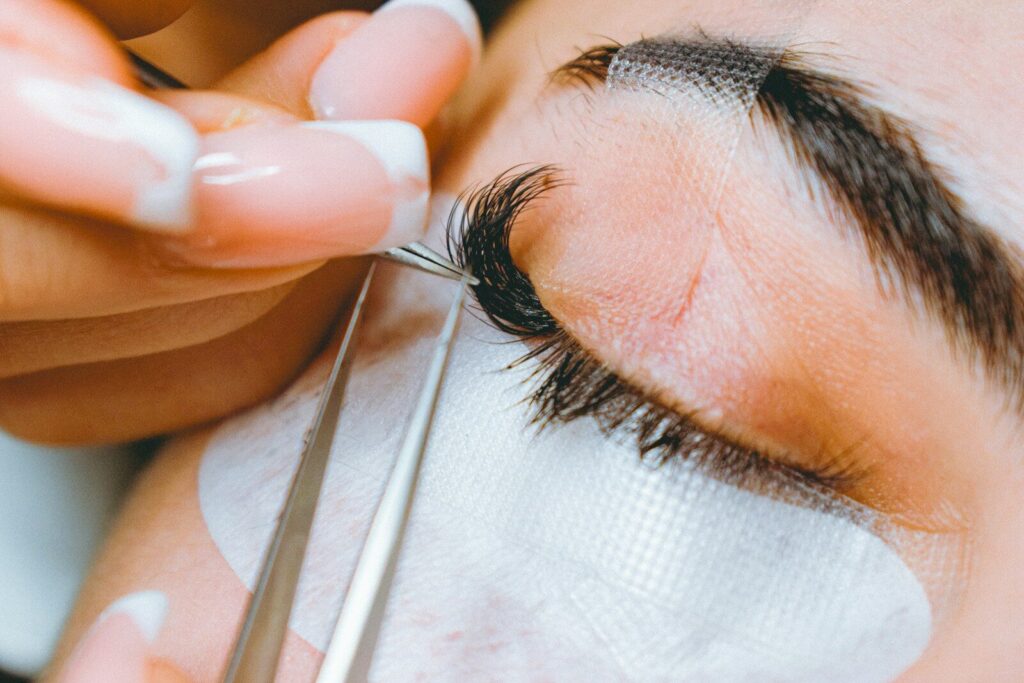
If you recently had a lash lift and you’re noticing an unusually tight curl, lashes that feel brittle, or a look that seems uneven from root to tip, you may be dealing with over-processed lashes from a lash lift. This concern is common because the chemistry involved in lifting lashes can leave the natural lashes temporarily stressed, especially if the processing time was extended or the solution strength was higher than ideal for your lash health. You’re not alone in wanting to recover quickly without compromising the health of your natural lashes. Recognizing what happened and knowing the right next steps can save you from further damage and set you up for a healthier routine moving forward. The goal of this guide is to help you assess the damage, decide on a thoughtful recovery plan, and prevent future issues while staying in control of your lash health.
Throughout this article, you’ll find practical, experience-based guidance tailored to clients who value precision, safety, and personalized care. The recovery of over-processed lashes depends on factors like your natural lash cycle, daily habits, and how you approach care between appointments. You’ll learn to distinguish between temporary post-lift effects and true damage, how to pace any corrective steps, and what questions to bring to your next consultation. By the end, you should feel confident about choosing a path that honors your lifestyle and eye shape while preserving the integrity of your natural lashes.
“Lash health should come first. A cautious, staged recovery helps protect the natural lash line and supports better results when you’re ready for your next service.”
Recognizing over-processed lashes from a lash lift
Signs to watch for
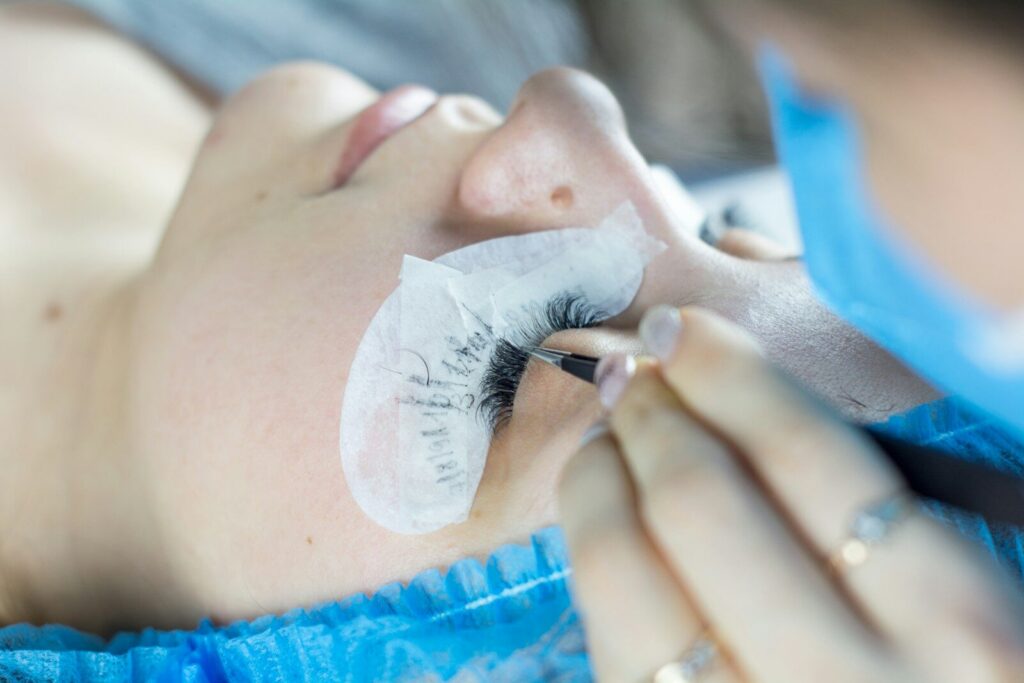
Over-processed lashes from a lash lift often present with a few telltale cues. The curl may look overly aggressive, almost as if the lashes are stuck in a semi-circle, and tips can feel dry or crisp to the touch. You might notice uneven lift across the lash line, or lashes that don’t release evenly during cleansing or when you blink. Some clients report increased shedding or brittle segments that snap when combed or gently touched. Because every lash responds differently, these signs are best interpreted in the context of your natural lash health, how you wore mascara before the lift, and how long you’ve had the treatment.
How damage can progress
Damage from over-processing isn’t always immediate. In the days after a lift, you may experience heightened sensitivity or a sensation that the lashes are “working against” the lash line. If a lash is over-processed, the cuticle layer can become dry, reducing flexibility and increasing breakage risk. The safe expectation is that healing will follow the natural lash cycle—new lashes grow in as older ones shed—so recovery is gradual and cannot be rushed without risking more loss. It’s common for clients to see improvement as the lash cycle turns, but a stubbornly brittle or misfired curl is a signal to reassess with your lash artist.
“Patience with the lash cycle is essential. Recovery may take several weeks, and a conservative approach helps protect the natural lashes you rely on.”
Immediate steps to recover
When you notice signs of over-processing, a careful, disciplined approach helps protect what you still have while supporting growth. The following steps are designed to be practical and gentle, prioritizing lash health over a quick cosmetic fix. If any step feels uncertain, or you experience irritation, pause and consult a licensed lash professional.
- Pause any additional chemical services. Do not re-lift or perm lashes until your natural lashes show clear signs of recovery and your lash artist confirms it’s appropriate to proceed.
- Limit mechanical stress. Avoid rubbing your eyes, pulling at lashes, or using heavy, oil-based makeup removers around the lash line that can weaken the lift or trigger shedding.
- Switch to a gentle, lash-friendly cleansing routine. Use a mild, fragrance-free lash cleanser and warm water—no scrubbing—and pat dry with a clean towel.
- Skip waterproof mascara and heavy curling tools for a while. Water-based mascara used sparingly, or none at all, reduces the chance of additional stress while lashes recover.
- Discuss a conditioning plan with your lash artist. A lightweight, non-oil lash conditioner or peptide-based treatment prescribed by a pro can support strength without compromising the lash lift’s integrity.
- Protect your lashes at night. Sleep on a clean silk or satin pillowcase to minimize friction, and consider a soft eye mask that doesn’t press on the lashes.
Building a recovery plan: long-term care and prevention
Gentle cleansing and lash conditioning
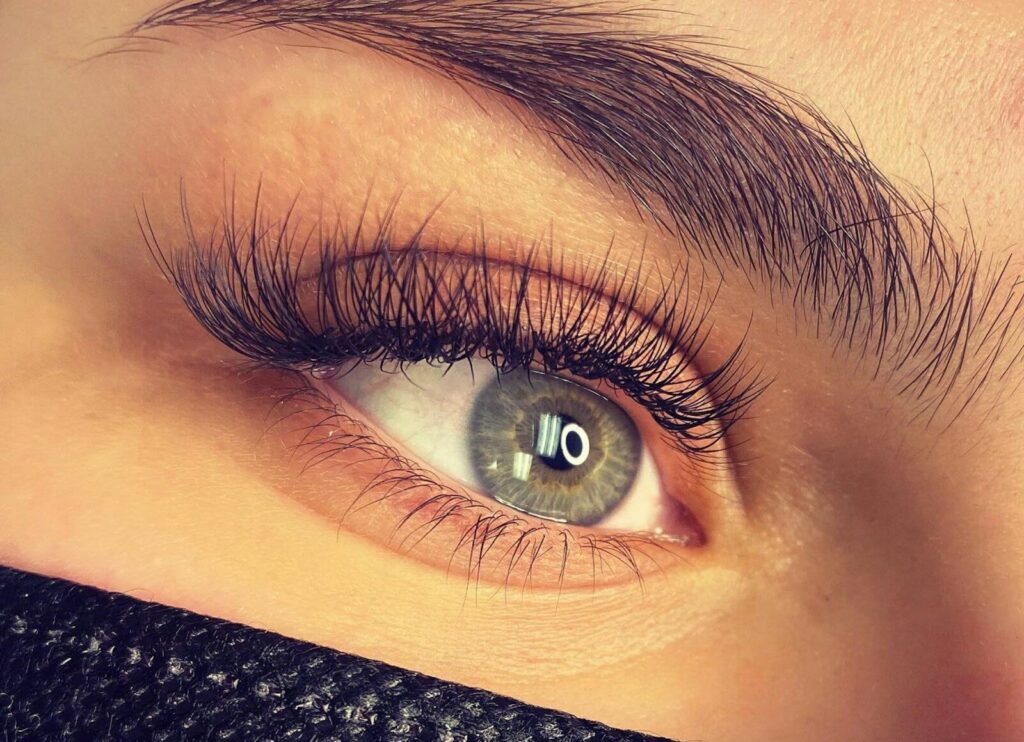
Between sessions, a conservative approach to cleansing and conditioning helps restore lash health. Choose products that are specifically designed for eyes and lashes, with minimal oils and fragrance. Oil-based products, while beneficial for some routines, can soften lift solutions and shorten the duration of results, so your lash artist may recommend oil-free alternatives for a period of recovery. A light conditioning routine—used sparingly and only as directed—can help the natural lashes regain flexibility without weighing them down or dulling the lift when it’s ready to be refreshed.
Makeup habits that help, not hurt
Makeup timing matters. Avoid applying mascara directly onto a recently lifted lash line unless your artist has approved a specific product. When you do wear makeup, use gentle removers and cotton pads, and avoid aggressive rubbing at the lash line. If you prefer to use makeup between appointments, lean toward minimal, lash-safe products and ensure any routine is finished before the lashes return to their natural cycle. Your eye shape and daily activities—like exercising or swimming—will influence what’s realistic during recovery, so personalize guidance with your lash artist.
Scheduling and communication with your lash artist
Clear communication is essential. Keep your appointment notes updated and share any changes in lifestyle or routines that might affect lash health. If you’re considering another lift or a different style after recovery, discuss your eye shape, preferred curl type, and maintenance expectations with your artist. A transition plan that respects your natural lash cycle tends to yield more predictable results and minimizes the risk of over-processing again.
When to seek professional help and how Estetica can support
What happens in a consult
A professional consult focuses on assessing lash health, understanding your goals, and mapping a recovery or future maintenance plan. Your lash artist will evaluate the condition of the natural lashes, the fragility of the lash line, and how long it’s been since the last chemical service. The discussion typically covers whether to pause lifts, adjust curl types, or implement a slow, staged approach to any future services. This is where the emphasis shifts from “how do I fix this today” to “how do I protect lash health over time?”
How we tailor plans to lifestyle and eye shape
Every client’s routine is different. If you wear contact lenses, have oily skin, or lead an active lifestyle, those factors can influence how you recover and how soon you’re ready for a refresh. At Estetica, the aim is to design a plan that honors your eye shape, lash health, and daily life, so you don’t feel pressured to rush a result. We prioritize shared decision-making, provide honest timelines, and adjust expectations to reflect real-world wear and tear. Your plan may include a staged lift approach, adjustments to curl type, or a longer interval before another chemical service, all with your natural lashes’ wellbeing as the guiding principle.
If you’d like a personalized assessment, book a consultation with our team to discuss your specific lash health goals and what recovery will look like for you.
In practice, the recovery path is as individual as your eye shape. Some clients see steady improvement within a few weeks as new lashes grow in and the old ones shed naturally; others may need a longer window to regain flexibility and strength. The key is to stay attuned to how your lashes feel and to honor the natural cycle rather than forcing an outcome. With careful care, clear communication, and professional guidance, you can restore lash health while preserving a refined, lift-enhanced look that suits your lifestyle.
Remember, the objective is to protect your natural lashes and maintain safe, healthy results. If you notice persistent brittleness, unusual shedding, or discomfort, consult your lash professional sooner rather than later to adjust your plan. Your eyes deserve precise, personalized care every step of the way.
To take the next step toward a tailored recovery plan, consider scheduling a consultation at Estetica to review your lash health and discuss a patient, progressive path forward.