
Natural-looking lash extensions are one of the most requested results at The Estetica—especially when you’re worried about a heavy, “spidery,” or overly fake look. If you’re in Glen Rock, NJ or nearby and you want lash extensions that blend with your own lashes (not sit on top of them), this guide will help you choose the right lash style, length, curl, and density—plus the aftercare habits that protect your natural lash health and keep your set looking refined.
By the end, you’ll know what “natural” really means in extensions, what makes a set look light instead of dramatic, and which appointment questions to ask so you can leave with a polished result you’ll actually want to wear every day.
What “natural-looking” means for lash extensions (and why sets can look heavy)
A natural lash extension look isn’t about using fewer lashes or avoiding definition—it’s about proportion. When extensions look heavy, it usually comes down to one (or more) of these factors:
- Too much weight for your natural lash cycle (extensions that are too long or thick for your existing lashes)
- Length jumps (a sudden change in length that breaks the illusion)
- Overly dense placement (more lashes than your eye area can visually carry)
- Incorrect curl or shape (lashes that point in the wrong direction can look “stuck on”)
- Band/strip effect (a straight, uniform band across the lash line instead of a gradual taper)
Key idea: Natural-looking lashes blend by tapering, mimicking your lash direction, and matching density to what your lashes can support.
At The Estetica, we design the set around your eye shape and your natural lash health—not a “one photo fits all” template. That’s what prevents the fake, top-heavy effect that many women experience when the wrong style or weight is used.
Use the right blend: curl, length, density, and placement
When you ask for natural lash extensions, your request will be more successful if you can describe what you want your lashes to do: look longer, slightly fuller, and more lifted—without looking like separate, heavy pieces.
Choose length with a gradual taper (not a straight line)
Natural sets often use a shorter-to-longer progression. Instead of taking the longest length everywhere, the longest pieces are typically placed where they create a lift and elongation for your specific eye shape.
- Shorter at the inner corner to avoid a “startling” jump
- Longest in the mid-to-outer area for balance and a lifted finish
- Gradual transitions so your lash line still looks seamless
Match curl to your natural direction
Curl is often the difference between “pretty and blended” and “looks heavy.” If your lashes already naturally curl, a dramatically curled extension can look too curled or too separated. If your lashes are straighter, a supportive curl can enhance your lift without adding bulk.
Keep density intentional (classic and hybrid are often the easiest path to “natural”)
Heaviness can happen when density is added too quickly. For many clients in Glen Rock, NJ, the most natural results come from:
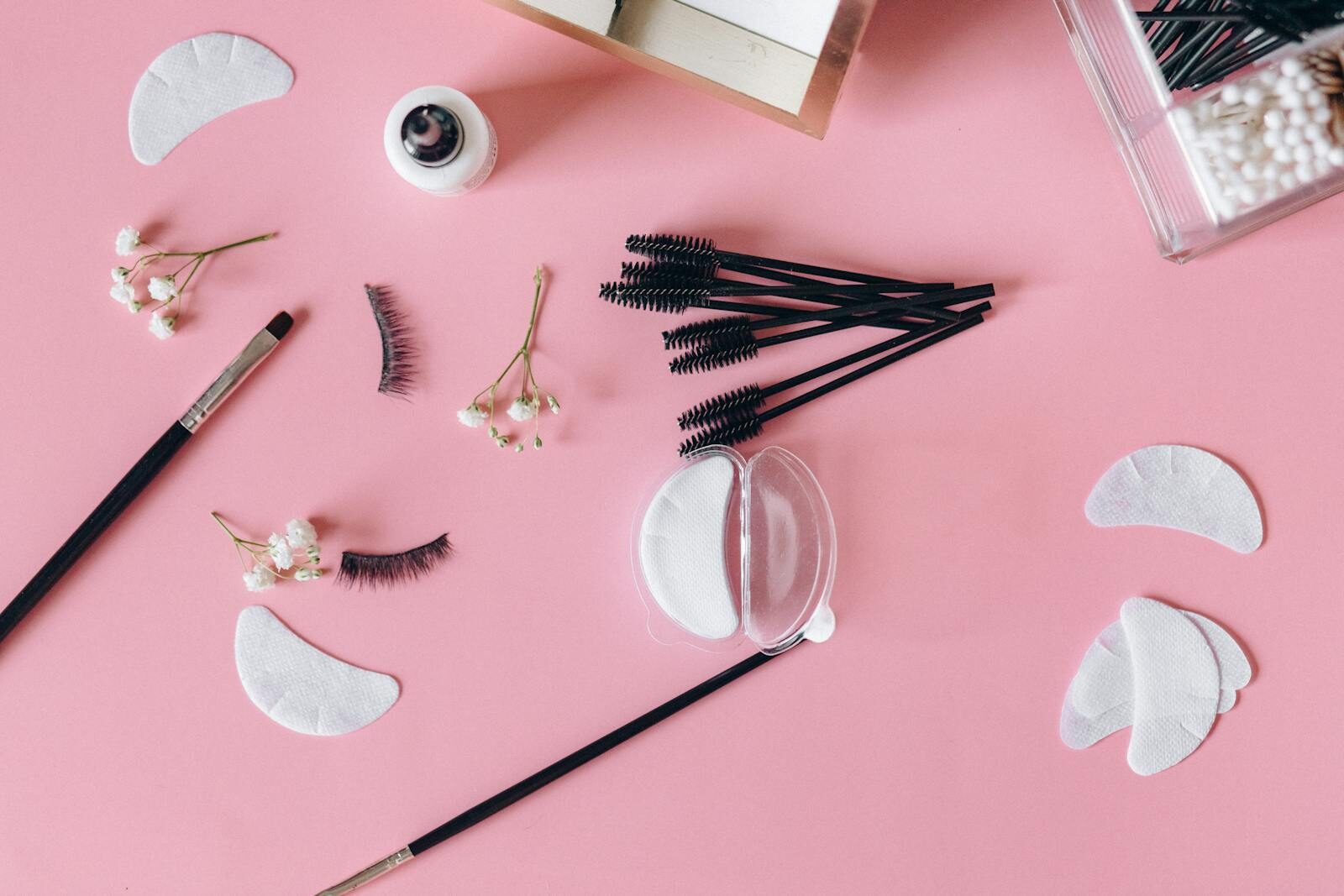
- Classic lashes: one extension per natural lash (often the most effortless, everyday look)
- Hybrid sets: a blend (commonly classic + a touch of extra fullness) for soft definition
- Volume sets: can still look natural, but they require precise weight and a lighter touch
If you’re trying to avoid a fake look, classic or hybrid is frequently a smart first step—especially if your goal is “more polished,” not “dramatic.”
Classic vs hybrid vs volume: what to choose to avoid a fake look
It’s common to confuse “type of set” with “how natural it looks.” The truth is that naturalness depends on the total effect: weight, taper, and how well the extensions follow your natural lash direction. Still, the set type can make your desired outcome easier to achieve.
| Set type | Typical look | Best for | Main risk (if not customized) |
|---|---|---|---|
| Classic lashes | Defined, blended, everyday | Soft enhancement; clients who want to look like “you, just upgraded” | Can look sparse if lengths are too short or placement isn’t tapered |
| Hybrid lashes | Soft volume with natural spacing | Clients who want more noticeable fullness without heavy density | May look bulky if the densest area is placed too aggressively |
| Volume lashes | Feathered fullness (when done light) | Clients who want more drama but still want it clean and wearable | Can look “stacked” if the fans are too heavy for your natural lashes |
Save-worthy tip: If your top fear is “heavy and fake,” ask for a lighter weight plan first. You can always add a bit more fullness later—your eyes can’t un-blink a heavy placement.
What to ask your lash artist before you book (the natural-look checklist)
To help ensure a refined result, bring your questions to your consultation. The goal is to confirm your set will be customized for your lash health and eye shape.
- “What curl and length range will you recommend for my eye shape?”
- “Will you keep a taper at the outer corner so it doesn’t look like a strip?”
- “How will you match density to my natural lash volume so it doesn’t feel heavy?”
- “What will you do differently if my natural lashes are fine or sparse?”
Professional personalization is what prevents the “I can see the extensions sitting on my lash line” effect.
Why natural lashes fade differently—and what “retention” has to do with the look
Even a perfectly designed set can start to look uneven if it’s not maintained. Lash extension retention affects how your lash line looks over time—because natural shedding happens on a schedule, and your set will gently transform as you wait for fills.
What to expect between appointments
Most clients notice:
- Early days: the set looks crisp and blended
- Mid-cycle: you may see gaps where natural lashes have shed, or slight unevenness in fullness
- Before fills: the look can start to feel “patchy,” especially if you delay maintenance
When you want a natural look, avoiding a “patchwork” stage is key. Keeping to a realistic fill window helps your extensions stay light, seamless, and evenly distributed.
Signs your fill is needed (without waiting too long)
- You’re seeing gaps in the outer corners or along the lash line
- Your lashes look uneven in density when you look straight ahead
- You feel you can see extension ends or shapes more clearly than before
- Your natural lashes feel drier than usual (often linked to aftercare habits)
Aftercare that keeps extensions from looking heavy: what to do (and what to avoid)
Natural-looking lash extensions aren’t only about the application—they’re also about daily habits. The right aftercare helps support your natural lash health, protects bond strength, and prevents irritation that can cause you to rub or adjust your lashes more often.
What to do in the first 24–48 hours
These early habits matter because they help your bonds settle and reduce the chance of early lifting.
- Avoid getting your lashes wet for the first window your artist advises
- Skip steam, saunas, and heavy humidity while your set sets
- Don’t rub your eyes (even “light” rubbing can shift placement)
- Use a gentle, lash-safe routine only (no random products)
Daily habits that protect the “natural blend”
- Keep lashes clean with a lash-safe cleanser (especially if you wear makeup)
- Use oil-free eye makeup removers near the lash line
- Brush gently with a clean spoolie if your artist recommends it
- Sleep smart: try to avoid face-down sleeping to reduce bending and tangling
Common mistakes that create a heavy or fake look (and the fix)
If you’ve ever looked at your lashes and thought they suddenly became too much, one of these could be the reason:
- Using oil-based products too close to the lash line → Switch to oil-free options and cleanse properly.
- Waiting too long between fills → Book within your recommended window to prevent patchy gaps.
- Choosing a dramatic style when your goal is everyday → Start with classic or hybrid and request a lighter weight plan.
- Not cleansing regularly → Lash buildup can affect how lashes lay and feel.
- Rubbing your eyes during allergies or stress → Manage symptoms carefully and avoid direct lash contact.
If you experience unusual irritation, persistent burning, swelling, or severe discomfort, contact your lash artist promptly and seek medical evaluation if symptoms are beyond mild sensitivity.
How to match your natural-lash goals to a realistic appointment plan
Here are a few “routine match” examples to help you decide what to ask for—especially if you’re in Glen Rock, NJ or nearby and you want a wearable result.
Example routines: soft glam vs everyday natural
- Everyday natural (minimal makeup): classic lashes with a subtle taper, moderate length, and intentional spacing
- Soft glam (with eyeliner or tinted brow + mascara occasionally): hybrid set for added fullness without a thick band
- Event-focused “noticed, still refined”: volume-inspired look only if the weight stays light and the taper remains gradual
A first-appointment strategy for clients worried about heaviness
If this is your first time with extensions—or you had a previous set that looked heavier than expected—use a cautious approach:
- Ask for a lighter starter set (you can build over time)
- Bring 2–3 inspiration images that match your goal (but don’t rely only on photos)
- Request proportional placement based on your natural lash count and direction
- Agree on your fill schedule so your look stays evenly blended
Natural-looking lash extensions are achievable—but they require customization, smart weight selection, and a plan for maintenance.
Next step: get the natural look you want with a tailored consultation
If your priority is avoiding heavy or fake-looking lash extensions, start by comparing your daily routine with the maintenance schedule and the look you want at each stage. Bring your photos, share your concerns, and ask how The Estetica will tailor curl, length, and density to your eye shape and natural lash health. Then book your appointment in Glen Rock, NJ (or nearby) so you can leave with lashes that look like a refined version of you—clean, blended, and intentionally wearable.