

If you have lash extensions and you are wondering whether mascara is a quick fix or a risk to your natural lashes, you are not alone. At The Estetica in Glen Rock, NJ, we see the same pattern: the wrong mascara (or using it at the wrong time) can cause premature shedding, irritation, or a look that feels heavier than you planned. This guide helps you decide what is actually safe for your extension set, what to avoid, and how to keep your lashes looking lifted, full, and natural between fills.
Mascara with lash extensions: the real rules (not the myths)
Mascara is not automatically “bad” with lash extensions, but it is rarely a good idea. Lash extensions are individual synthetic lashes bonded to your natural lash using an adhesive system. That bond and your natural lash health depend on how you clean, what you apply, and how you remove it.
Here is the practical way to think about it:
- Extensions + waterproof mascara is usually a problem because removal typically requires aggressive rubbing.
- Extensions + oil-based formulas can break down the bond and shorten retention.
- Extensions + frequent mascara application can make lashes clump, feel stiff, and look less natural.
Key point: Even “extension-friendly” mascara can reduce retention if it builds up, gets worked into the lash line, or makes removal harder than it needs to be.
When mascara helps (and how to do it without sabotaging retention)
There are a few scenarios where mascara can be used more safely, especially if your goal is subtle definition rather than a full dramatic coat.
When you might use mascara
- Light touch-up only on the outer corner if your set looks slightly sparse on one eye.
- Special occasions when you want extra separation for photos, as long as you can remove it gently.
- When your lash tech recommends a specific option based on your adhesive system and your aftercare routine.
How to apply (so it stays natural)
- Wait for your lashes to fully cure after your extension appointment. If you are unsure of the timing, ask your lash artist.
- Use a minimal amount. Think “coating the tips,” not saturating the roots.
- Focus on separation. If you see clumps, stop and gently comb through with a clean spoolie.
- Avoid the lash line. The closer the product is to where extensions are bonded, the higher the risk to retention.
How to remove mascara without hurting your set
Removal is where most problems happen. If mascara is on your extensions, you must remove it gently and thoroughly, without tugging.
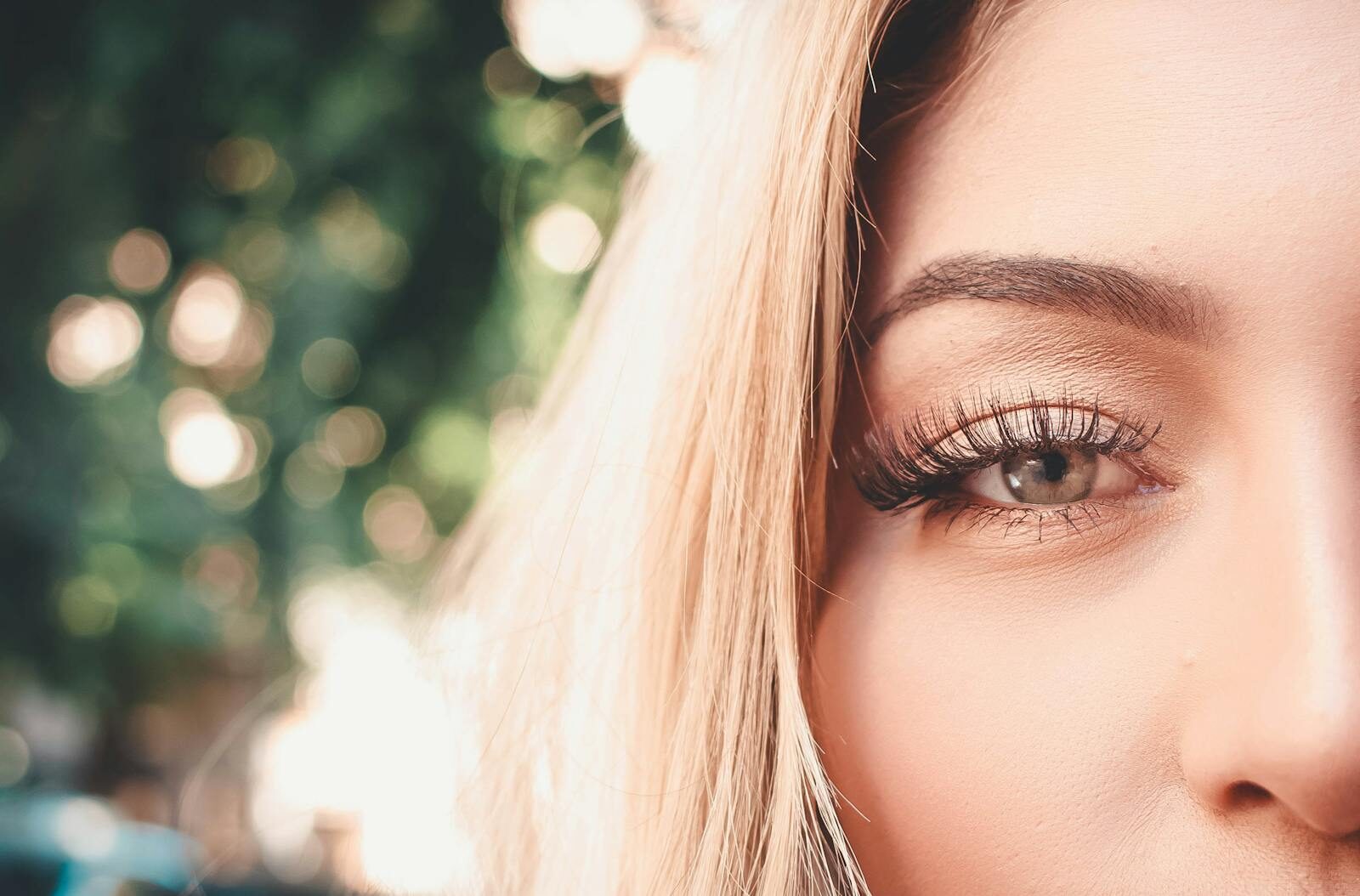
- Use a lash-safe cleanser and follow your studio’s aftercare guidance.
- Skip harsh rubbing. If it smears, stop and cleanse again rather than scrubbing.
- If you cannot remove it without friction, that is a sign you should not be using mascara with your extensions.
Save-worthy checklist (quick decision tool):
- Can you remove it with a gentle lash cleanser?
- Does the formula contain oils or heavy removers?
- Are you applying it at the lash line?
- Will you be tempted to rub your eyes to get it off?
When mascara hurts: the common mistakes that shorten retention
Most “lash extension problems” are not about the extensions themselves. They are about product buildup, removal habits, and applying mascara in ways that interfere with the bond.
Common mistakes we see in Glen Rock, NJ
- Using waterproof mascara and then removing it with friction.
- Applying mascara to the base where extensions are attached.
- Choosing oil-based formulas (including many makeup removers and some mascaras).
- Skipping cleansing and letting mascara residue sit on the lashes.
- Rubbing your eyes after application or while sleeping on the same side.
Signs mascara is causing issues
Watch for these clues between fills:
- Your extensions look heavier or less separated within a day or two.
- You notice more shedding than usual after mascara days.
- Your lashes feel crunchy or stiff instead of soft.
- You experience itching, redness, or unusual discomfort. If you do, stop using the product and talk with your lash professional. Seek medical evaluation if symptoms are persistent or severe.
Lash extensions vs. lash lift: why the mascara question changes
If you are also comparing lash lift vs. lash extensions, the mascara decision is different. A lash lift enhances your natural lashes by reshaping and setting them. You are not bonding individual extensions to the lash line, so you do not have the same retention concerns. Still, mascara and removal habits can affect your natural lashes and how long the lift looks crisp.
When a lash lift may fit your mascara habits
- You prefer to wear mascara regularly.
- You want a natural curl boost without extension maintenance.
- You are worried about bonding or sensitivity around the lash line.
When lash extensions may be the better match
- You want a ready-to-go eye look with minimal daily makeup.
- You like the idea of classic, hybrid, or volume lash styles tailored to your eye shape.
- You are open to aftercare habits like gentle cleansing and avoiding oil-heavy products near the eyes.
If you are torn, ask for a personalized recommendation during your consultation. At The Estetica, we match curl, length, and density to your natural lash health and your desired level of definition.
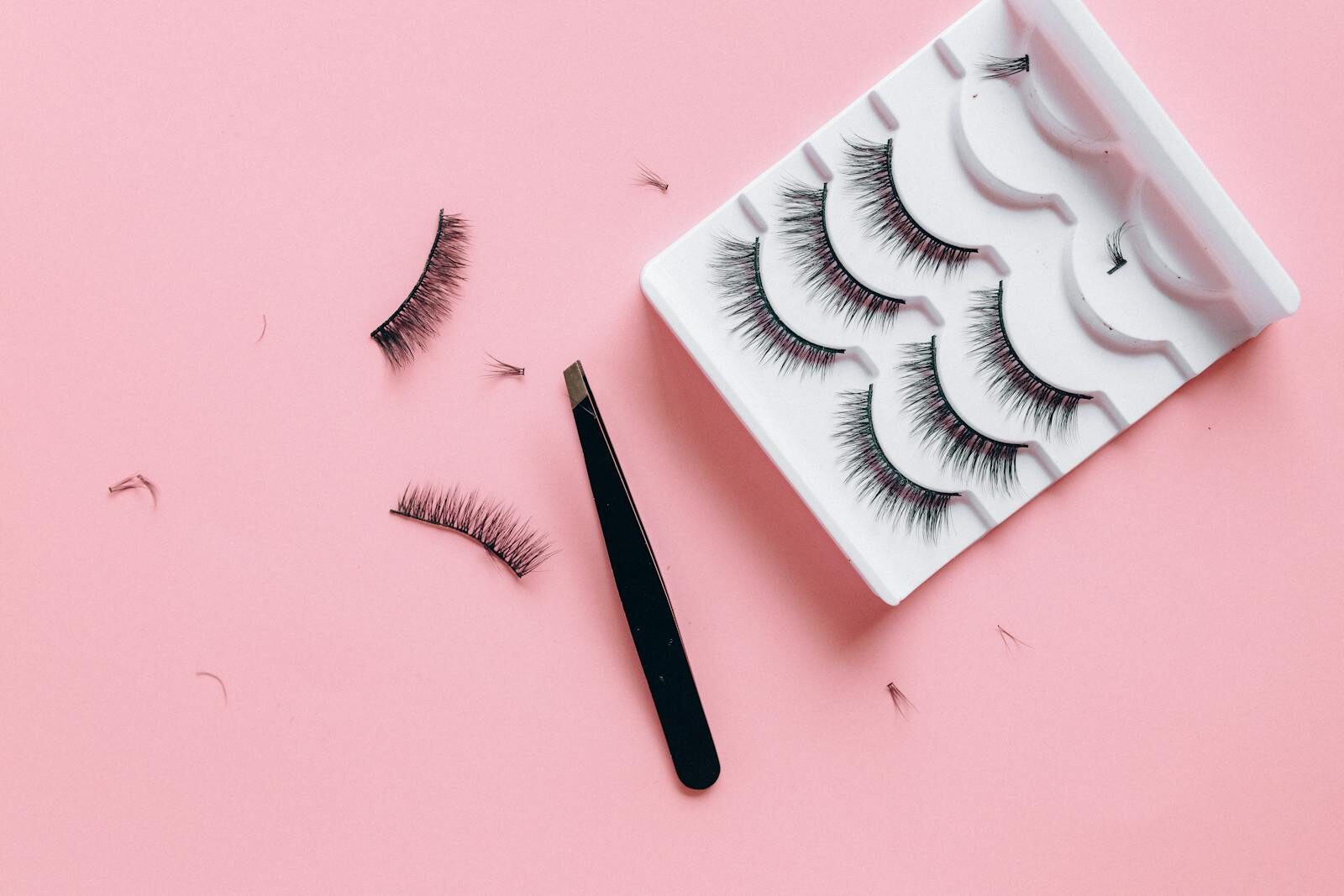
How to choose your best “look plan” (classic, hybrid, or volume) with mascara in mind
Your lash style affects how much you will want (or need) mascara. In general, the more you choose a style designed for separation and natural definition, the less you will reach for mascara.
Quick comparison matrix:
- Classic lashes: One extension per natural lash for a clean, natural enhancement. Often works best if you want definition without heavy makeup.
- Hybrid lashes: A blend of classic and volume for more depth while still keeping a soft look. Great if you want extra “pop” but still prefer natural separation.
- Volume lashes: Fan-based extensions for a fuller, more dramatic effect. If you choose volume, mascara can be more likely to cause clumping because the lashes already have multiple layers of texture.
When to choose a more natural set to reduce mascara use
If you know you will want to wear mascara, consider requesting a design that gives you more of what you are trying to achieve with makeup:
- More curl and length to open the eye naturally
- Balanced density so lashes look full without looking heavy
- Targeted placement (for example, outer-corner lift) so you get definition where you usually apply mascara
First appointment guidance: what to ask
Bring your mascara habits into the conversation. Useful questions include:
- “Do you recommend skipping mascara with my set, or is a minimal touch-up ever okay?”
- “What should I use to remove makeup gently without loosening my extensions?”
- “Based on my natural lash health, should I start with classic or hybrid for better retention?”
- “What products should I avoid near the lash line?”
Aftercare that protects your bond (and your next fill)
Whether you wear mascara or not, aftercare is what keeps your lashes looking fresh. If you do use mascara, aftercare becomes even more important because residue can build up.
First 24 hours after your extension appointment
- Follow your studio’s guidance on water exposure and heat.
- Avoid touching or rubbing your eyes.
- Keep your hands off your lashes while they settle.
Lash cleansing routine (simple and effective)
- Clean gently with a lash-safe cleanser designed for extensions.
- Be thorough at the base without scrubbing. Residue often collects near where extensions attach.
- Pat dry and let lashes fully dry before bed.
- Comb through with a clean spoolie to prevent tangling.
What to avoid if you want maximum retention
- Oil-based products close to the lash line
- Heavy makeup removers that require rubbing
- Sleeping face-down or on the same side every night
- Picking at lashes when they tangle
Signs you may need a fill window soon:
- You see gaps where lashes have shed more than expected.
- Your lash look starts to feel uneven or less lifted.
- Your lashes are tangling more often, especially at the outer corners.
When you should pause mascara and consider a different approach
If you are consistently dealing with irritation, clumping, or faster shedding on mascara days, it may be time to adjust your plan.
Consider a break from mascara if…
- You have redness, itching, or watering that starts after applying mascara.
- Your lashes feel crunchy or look spidery instead of separated.
- You find yourself rubbing to remove it.
- Your retention is noticeably shorter than your usual pattern.
What to do instead
- Request a lash design with more natural separation so you get the definition you want without mascara.
- Use a lash-safe cleansing routine to keep lashes looking crisp.
- Ask about lash lift and tint if you want a low-maintenance curl and color boost that pairs well with your makeup preferences.
Important: If you experience unusual discomfort or an allergic-type reaction, stop using the product and contact a medical professional if symptoms persist. Your safety comes first.
If you want a polished, natural result without constant touch-ups, compare your current routine to a realistic maintenance schedule. Bring your mascara to your consultation, tell us how often you apply it, and we will help you choose the lash style and aftercare approach that fits your lifestyle in Glen Rock, NJ and nearby areas.