
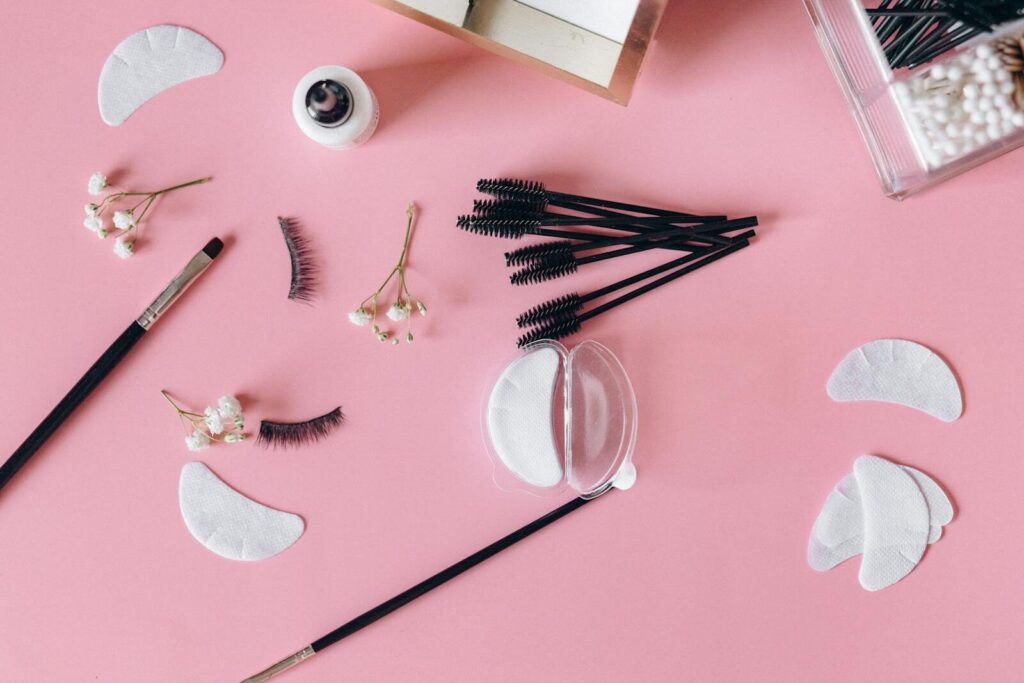
Lash tint can make your lashes look fuller and more defined, even with minimal makeup. If you have sensitive skin, though, the wrong prep, timing, or aftercare can lead to stinging, redness, or irritation. This guide covers common mistakes with lash tint for sensitive skin, what to do instead, and how to decide whether tinting, lash lift, or extensions are the better fit for your eyes. You will also get a practical checklist you can use during your appointment at The Estetica in Glen Rock, NJ.
Start here: what “sensitive skin” changes about lash tint
Lash tint is a dye applied close to the lash line. For sensitive skin, the goal is not just a darker lash look. It is also controlling exposure and reducing the chance of irritation around the eye area. The outcome depends on several factors: your skin’s reactivity, the product used, how carefully the tint is applied (including how well the lashes are isolated), and your aftercare.
How sensitive skin reacts (and what it usually looks like)
Everyone’s sensitivity is different, but common reactions people notice include:
- Stinging or burning during or shortly after application
- Redness around the lash line
- Watery eyes or extra sensitivity to light
- Itching that continues after the appointment
If you experience unusual discomfort, tell your provider right away and seek medical evaluation if symptoms are significant or persistent.
What The Estetica focuses on for a calmer experience
When you book a lash tint appointment, you are not just getting color. You are getting a process designed for comfort and precision, including careful protection of the skin, thoughtful timing, and guidance on what to avoid before and after.
Common mistakes with lash tint for sensitive skin
These are the missteps that most often contribute to irritation. Use them as a quick “spot the risk” list before you commit to tinting.
1) Skipping a sensitivity check when you have a history of reactions
If you have reacted to dyes, brow products, or hair color in the past, treating lash tint like a routine appointment is a common mistake. Sensitive skin may react to ingredients in the dye, even if you tolerate other beauty products.
Safer approach: Share your history during booking and at check-in. Ask your provider what they recommend for your specific sensitivity level and whether a patch test or alternative service is appropriate.
2) Tinting too soon after exfoliating or active skincare
Using strong actives near the eye area can make skin more reactive. A common mistake is scheduling tint right after:
- retinoids
- strong exfoliants
- acid-based treatments
- any treatment that leaves your skin feeling “raw”
Safer approach: Tell your provider what you use on your face and when you last applied it. Follow their guidance on timing so the skin barrier is calmer.
3) Not disclosing recent eye irritation, infections, or allergies
If you have had recent eye irritation, a stye, conjunctivitis, or ongoing allergy flare-ups, lash tint may not be the right choice that day. Tinting over irritated tissue can worsen symptoms.
Safer approach: Reschedule if you are actively dealing with an eye issue. Your provider can help you choose the safest path.
4) Letting the tint sit longer than necessary
Another frequent mistake is assuming “longer processing equals better results.” For sensitive skin, extended contact increases the chance of irritation.

Safer approach: Ask how processing time is determined for your lashes and skin sensitivity. A careful, controlled application is usually the better strategy than pushing for maximum darkness.
5) Poor isolation or inadequate skin protection
Lash tint is applied very close to the skin. If the lash line is not properly protected, dye can spread to the eyelid or under-eye area, leading to stinging and redness.
Safer approach: Choose a lash studio that takes isolation seriously. During your appointment, you should feel that your eyes and lash line are handled with precision and care.
6) Rushing into tint after wearing makeup or skipping cleansing
Leaving residue from mascara, waterproof products, or makeup can interfere with how the tint sits on the lash hair and can increase irritation. Skipping cleansing is a common mistake.
Safer approach: Follow the studio’s prep instructions. If you are unsure, ask what products should be avoided on the day of your appointment.
7) Touching, rubbing, or cleansing too aggressively right after tint
After tinting, the area needs time to settle. Rubbing your eyes, using a harsh cleanser, or scrubbing the lash line can trigger irritation.
Safer approach: Use gentle cleansing methods and avoid rubbing. Stick to your provider’s aftercare guidance for the first day or two.
8) Using oil-based products too close to the lash line too soon
Oil-based products can make aftercare messy and may increase irritation risk for some people. It can also affect how long the tint stays looking even.
Safer approach: Ask what to avoid and for how long. When in doubt, choose gentle, eye-area appropriate products.
What to do instead: safer options for sensitive eyes
If lash tint feels risky, you still have options. The “best” choice depends on your goal: natural definition, a low-maintenance routine, or a more dramatic look.
Service comparison for sensitive-skin considerations
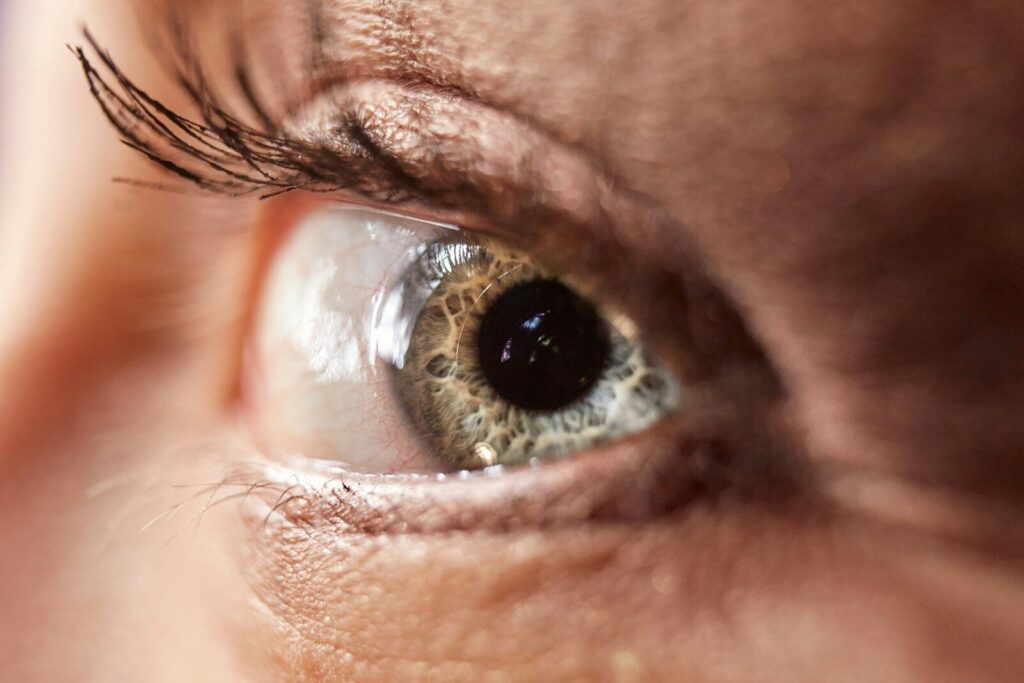
- Lash tint: Darkens lash hair for definition. Best when your sensitivity is mild and you follow strict prep and aftercare.
- Lash lift (with tint optional): Lifts the natural lash curl. Often a good choice if you want a more noticeable effect without adding lash weight.
- Lash extensions: Adds length and fullness. Requires careful application and ongoing maintenance (fills). If you are sensitive, the right adhesive, isolation, and aftercare matter a lot.
- Classic makeup routine: Temporary definition with full control. If you have a strong history of reactions, this may be the safest starting point.
When a lash lift may be a better first step
If your goal is visible enhancement without relying on tint alone, a lash lift may align better with your preferences. You still want a professional approach and a sensitivity-aware plan, but the overall process can feel different than dyeing.
Ask your provider: whether tint is recommended for you or if you can keep it optional based on your reaction history.
When lash extensions could be the better choice
Some women choose extensions because they want definition without frequent tinting. Still, extensions are not “zero risk.” The key is professional application, appropriate lash health, and strict aftercare.
Good fit if: you want a longer-lasting, low-makeup look and you are willing to maintain your set with fills.
When you should pause and reassess
Consider postponing tint if:
- your eyes feel irritated on appointment day
- you are in the middle of an allergy flare-up
- you have had recent infections or persistent redness
- you had a prior reaction that still makes you nervous
Before your appointment: a sensitive-skin checklist
Use this list when you book and on the day of your lash tint at The Estetica in Glen Rock, NJ and nearby areas. It helps you avoid the most common mistakes with lash tint for sensitive skin.
Send this info ahead of time
- Any history of reactions to hair dye, brow tint, or lash tint
- Current skincare and when you last used active products
- Any recent eye irritation, styes, or allergy symptoms
- Whether you wear contacts and your comfort level
Day-of prep (what to confirm)
- Arrive with your lash area clean as directed by your provider
- Avoid new skincare products right before your appointment
- Tell your provider immediately if you feel stinging during processing
Questions to ask so you feel confident
- How do you protect the skin during application?
- How do you determine processing time for sensitive clients?
- What aftercare do you recommend for the first 24 to 48 hours?
- What should I avoid based on my skincare routine?
Aftercare mistakes that can undo your results
Even when the tint is applied well, aftercare can make or break comfort. These are the most common post-appointment errors for sensitive skin.
What to avoid during the first 24 hours
- Rubbing your eyes, especially with fingers or towels
- Harsh cleansing or scrubbing the lash line
- Oil-based products close to the lash line
- Trying new eye makeup or skincare products right away
How to cleanse gently without stressing the lash line
Stick to gentle cleansing methods recommended by your provider. If you wear makeup, remove it carefully without pulling on the lash area. If you are unsure what cleanser is appropriate, ask before you apply anything near your lashes.
How to tell if your reaction is “normal” vs. a red flag
Some mild sensitivity can happen, but persistent burning, swelling, or worsening redness is not something to ignore. If symptoms feel unusual or intensify, contact your provider and seek medical evaluation if needed.
Choosing your look: natural definition without overdoing it
Sensitive skin clients often worry about looking too bold or too harsh. The good news is that a refined tint can still look natural. The key is matching your tint intensity to your lash color, eye area, and your comfort level.
How tint intensity should be personalized
Instead of aiming for the darkest possible result every time, your provider can tailor the outcome based on:
- your natural lash color and contrast
- how close your lash line sits to your skin
- your sensitivity history
- how much definition you want for everyday wear
A practical “start lighter” approach
If you have sensitive skin and you are trying tint for the first time, ask about a more conservative first appointment. A lighter, natural-looking tint can help you evaluate comfort and how your eyes respond before you decide on a deeper shade later.
Maintenance: how often to tint when you want calm, consistent results
Lash tint is not a one-and-done service. How often you need it depends on how your lash hair grows and sheds, and how quickly you notice fading. The mistake many clients make is tinting too frequently to “stay dark,” which can increase exposure for sensitive skin.
Signs it is time to reassess
- The lash color looks noticeably uneven
- Your lashes appear lighter at the tips or mid-length
- You feel you need more definition for your routine
Instead of guessing, ask your provider for a recommended timing based on your lashes and sensitivity.
When to schedule a consult instead of booking immediately
If you have a strong reaction history, ongoing eye sensitivity, or you are unsure whether tint is right for you, a consultation can help you map out a safer plan. This is especially helpful if you are deciding between tint, lash lift, or extensions.
Common mistakes with lash tint for sensitive skin: quick fixes you can use right away
Before you book your next appointment, check your plan against these corrections.
- Mistake: Tinting after active skincare or when your skin feels irritated. Fix: Follow a timing plan provided by your lash studio.
- Mistake: Choosing tint based only on a photo. Fix: Ask for a natural intensity matched to your lash color and comfort level.
- Mistake: Rubbing your eyes after tint. Fix: Use gentle cleansing and avoid friction for the first day or two.
- Mistake: Not disclosing past reactions. Fix: Share your history so your provider can adjust the process.
If you want natural, polished definition with a calmer experience, start by reviewing your routine and sensitivity history, then bring those details to your appointment at The Estetica. Book a consult in Glen Rock, NJ, and ask how they personalize tint intensity, processing time, and aftercare for sensitive skin. Bring inspiration photos if you have them, and request a first-appointment approach that prioritizes comfort.