
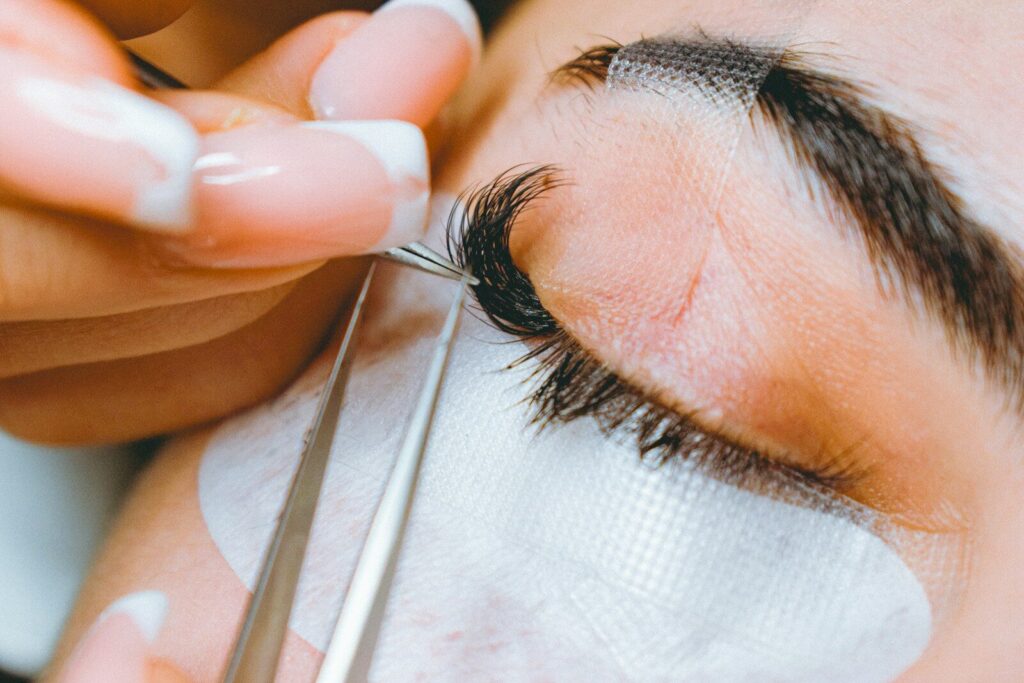
Lash tint can make your lashes look fuller and more defined, but the wrong approach can lead to irritation, uneven results, or unnecessary stress on your natural lashes. If you live in Glen Rock, NJ and you want a soft, polished lift of color without compromising lash health, this guide covers the most common mistakes with lash tint and how The Estetica helps you avoid them through careful selection, timing, and aftercare.
By the end, you will know what to watch for before your appointment, what should happen during the service, and which aftercare habits protect your natural lashes. You will also learn when lash tint is not the right choice and how to decide between tint, lash lift, or extensions based on your goals.
Why “lash tint” needs the same safety mindset as other lash services
Lash tint is a chemical process designed to deposit color onto the lashes. Your eyes are sensitive, and your lash line skin is delicate. Even when a tint is formulated for lashes, results and comfort depend on professional technique and your individual sensitivity.
What can go wrong when tint is rushed or misapplied
- Irritation at the lash line from product migration or contact with the skin.
- Uneven color when lashes are not properly separated or when timing is off.
- Dry or brittle lashes when the lashes are over-processed or not conditioned.
- Allergic or sensitivity reactions if you have reacted to dyes or similar products before.
The Estetica’s approach focuses on protecting your eye area first, then achieving a natural-looking enhancement that fits your brow and lash tone.
Common mistakes with lash tint (and how to prevent them)
Use this checklist as a “sanity check” before you book. If you see these red flags, it is worth asking questions during your consultation.
1) Skipping a patch test or ignoring past reactions
If you have ever experienced irritation from hair dye, brow tint, or similar products, do not assume lash tint will be fine. Sensitivity can show up with new formulas, different concentrations, or even changes in your skin barrier.
- What to do: Tell your lash artist about any past reactions, even if they were mild.
- What to ask: Whether your studio recommends a patch test for your situation.
If you feel unusual burning, swelling, or discomfort during or after a tint, stop and seek medical evaluation if symptoms are significant or persistent.
2) Using tint when your eyes or lash line are irritated
Tinting over active irritation increases the chance of discomfort. This includes redness from allergies, recent eye infections, or irritation from contact lenses.
- What to do: Reschedule if your lash line is inflamed or you are experiencing ongoing eye discomfort.
- What to ask: Whether your lash artist wants you to pause tinting until your eyes feel calm.
3) Poor isolation that lets product touch the skin
A frequent issue is tint migrating to the eyelid or lash line. When product contacts skin, it can cause irritation and can also lead to patchy results.
- What to look for: Careful eye protection and controlled application along the lash line.
- What to ask: How they isolate lashes to keep product off the skin.
4) Over-processing with the wrong timing
More time does not always mean better color. Over-processing can make lashes feel dry and can increase the risk of irritation.
- What to do: Choose a professional who times the tint precisely based on your lash color and sensitivity.
- What to ask: How they determine timing for lighter lashes versus darker lashes.
5) Tinting lashes that are not healthy enough for chemical processing
If your lashes are already compromised, tint may not be the best next step. Lash health depends on factors like previous services, aftercare, and natural lash cycle.
- What to watch: Brittle lashes, visible breakage, or frequent irritation after past services.
- What to ask: Whether your lash artist recommends conditioning or a lighter approach first.
What “natural lash tint” should look like in real life
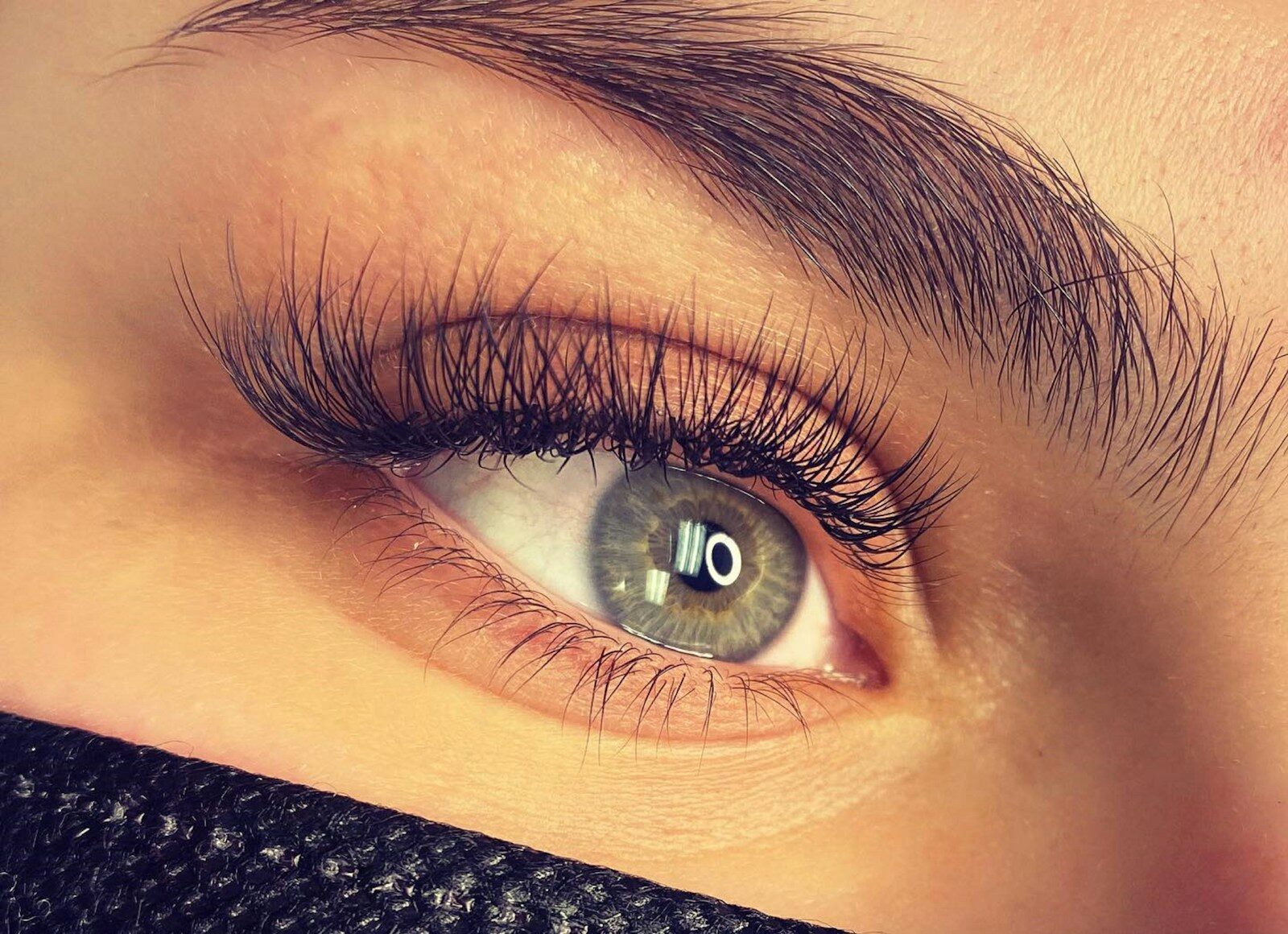
A common goal is subtle definition that looks like you naturally have darker lashes. That means the tint should enhance your look without turning your lashes into a heavy, overly dark line.
How to choose a shade that matches your overall face
- Black tint: Often best for very dark hair or a stronger contrast preference.
- Soft brown tint: A popular option for a natural, blended look, especially for lighter lashes.
- Not sure? A consultation helps match tint tone with your hair color, brows, and desired intensity.
A quick comparison: tint vs lash lift vs extensions
- Lash tint: Adds color to existing lashes. Best for people who want definition without changing curl or length.
- Lash lift: Enhances curl and opens the eye. Tint can be added for a more defined look.
- Lash extensions: Adds length and volume. You can still tint, but extensions require their own aftercare and maintenance schedule.
If your lashes are already short, sparse, or you want visible lift, tint alone may not meet your goal. The Estetica can help you choose the service that fits your eye shape and maintenance comfort level.
Before-and-after care that protects natural lashes
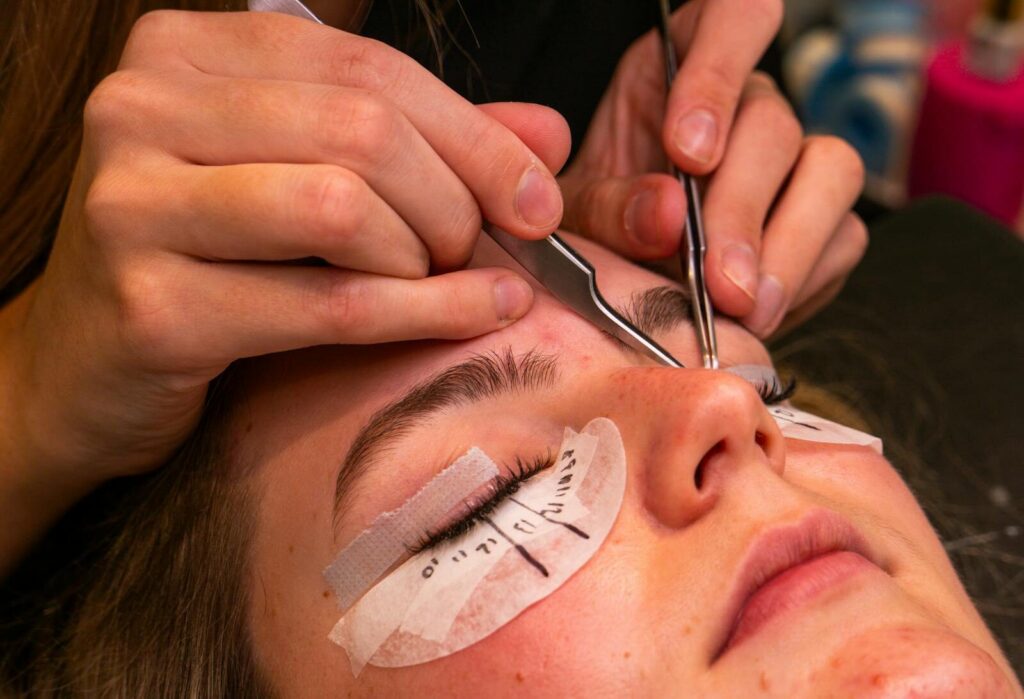
Even the best tint application depends on what you do before and after. Use the following steps as your personal safety net.
Before your lash tint appointment (the week-of checklist)
- Avoid new lash products right before your appointment, especially anything that could irritate your eyes.
- Skip oil-based products near the eye area before tinting, since they can interfere with clean application and lash health.
- Wear glasses if you are sensitive to contact lenses around appointments.
- Arrive with a clean lash line so the tint process stays controlled.
What to avoid during the first 24 hours after tint
- Do not rub your eyes or tug at lashes.
- Avoid steam-heavy environments if you tend to feel irritated easily.
- Skip heavy makeup removers near the lash line.
- Be gentle with cleansing and follow your studio’s guidance.
Aftercare habits that support lash health
- Use a lash-safe cleanser if you are prone to buildup or you wear eye makeup.
- Keep your routine consistent so you do not repeatedly strip or over-cleanse.
- Moisturize your skin, not your lashes with products that stay away from the lash line.
- Watch for signs you need a break, such as persistent redness or stinging that does not fade.
If you notice unusual discomfort, swelling, or persistent irritation, contact a medical professional. Do not “wait it out” if symptoms are significant.
How often to tint and when to schedule a pause
Many clients want to know how frequently lash tint should be done. The honest answer is that timing depends on your lash growth cycle, how quickly your lash color fades, and how your eyes respond to the process.
Signs it is time to refresh (or adjust)
- Your lash color has faded and you can see a lighter lash tone again.
- Your lashes look uneven as new growth appears.
- You want a consistent look for a specific event or season.
Signs you should pause lash tint
- Repeated irritation after previous tints.
- Brittle or breaking lashes that do not bounce back.
- Active eye sensitivity such as ongoing redness or discomfort.
When you book with The Estetica, you can expect a thoughtful consultation that considers your natural lash health, your past experiences, and your desired level of definition.
Questions to ask before you get lash tint in Glen Rock, NJ
These questions help you confirm safety, personalization, and realistic results. Bring them to your appointment or consultation.
Safety and technique questions
- How do you protect the skin around my eyes during tint?
- How do you determine processing time for my lash color and sensitivity?
- What do you recommend if I have reacted to tint or dye products before?
- Do you assess lash health before tinting?
Result and maintenance questions
- What shade will look most natural with my hair and brows?
- How long should I expect the tint to look fresh on my lashes?
- What aftercare do you recommend for the first 24 hours?
- Should I choose tint alone or add a lash lift for my goal?
If you want a polished, natural result, it is worth choosing a lash studio that treats tint as a precision service, not a quick add-on.
A simple “decision guide” for natural-looking definition
Use this guide to match your goal to the right service, while keeping lash health in mind.
Choose lash tint if…
- You want darker lashes without adding length or volume.
- You feel your lashes blend into your skin tone and mascara is not your favorite.
- You want a low-maintenance enhancement for everyday wear.
Choose lash lift (with or without tint) if…
- You want your lashes to look lifted and more visible.
- You prefer a more open-eye effect than color alone.
- You want a longer-lasting change in curl appearance.
Choose extensions if…
- You want a noticeable change in length, density, or shape.
- You are comfortable with a maintenance schedule and gentle aftercare.
- You want classic, hybrid, or volume looks tailored to your eye shape.
When you are unsure, start with a consultation. A professional can help you avoid the common mistake of choosing tint when your lashes need lift, or choosing extensions when you want a subtle, natural definition.
Bring your routine to the appointment
To keep tint gentle on natural lashes, it helps when your lash artist understands your current routine. Before you book with The Estetica, take a moment to note what you use on your eyes.
- Do you use waterproof mascara or oil-based removers?
- Do you rub your eyes during the day?
- Have you had irritation with dyes or brow products?
- Are you currently wearing lash extensions or recently had them removed?
Share those details during your appointment so your service can be tailored for safety and natural-looking results.
Next step: book a consultation with The Estetica in Glen Rock, NJ and bring a few inspiration photos that show the level of definition you want. You will leave with a clear recommendation for lash tint timing, shade choice, and the aftercare routine that keeps your natural lashes looking healthy.