
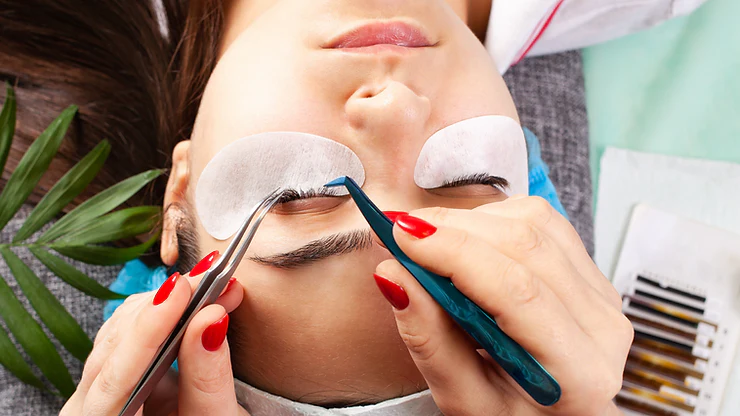
If you have sensitive eyes, choosing lash extensions can feel like a gamble—especially when you want a natural result without irritation. At The Estetica, we help women in Glen Rock, NJ and nearby areas decide confidently by focusing on the details that actually affect comfort and safety: your natural lash health, the weight of the set, the adhesive approach, and the aftercare plan you’ll follow at home.
This guide breaks down exactly what to ask before booking, what “sensitive-eye friendly” should look like in practice, and how to set yourself up for a polished finish that still respects your eyes and your lash cycle.
What “sensitive eyes” really changes about lash extensions
Sensitive eyes aren’t a one-size-fits-all label. Some clients feel irritation from adhesives, while others notice discomfort from technique (like poor isolation), humidity/dryness changes, or aftercare missteps. Lash extensions can still be an option, but the appointment should be more intentional than a quick, cookie-cutter set.
Here’s what your lash specialist should consider before applying a full set:
- Your natural lash health (length, thickness, and whether your lashes are currently shedding or fragile).
- Your comfort history (have you reacted to adhesives, lash glue, or previous beauty products?).
- Your wear habits (contact lenses, eye makeup routine, and whether you rub your eyes).
- Your environment (dry indoor air, allergies, and seasonal sensitivity).
Questions to ask during your consultation (bring this list)
Use these questions to guide your booking conversation. A thoughtful studio will answer clearly and specifically—especially about isolation, placement, and how they tailor the set for your comfort.
Adhesive and sensitivity: the questions that matter
- Do you recommend a patch test or sensitivity screening? If you’ve had irritation before, ask how the studio helps you assess risk.
- How do you minimize adhesive contact with the eyelid? Proper application should keep product off the lash line where skin is most reactive.
- What do you do if I feel burning, itching, or unusual discomfort? A professional should pause application and address the issue immediately.
- Are there specific ingredients or practices you adjust for clients with sensitivities? Ask what they change in technique and preparation.
Technique and isolation: what a “gentle” set looks like
- How do you isolate each natural lash? Poor isolation can lead to lashes sticking together, tugging, and increased discomfort over time.
- What’s the plan for proper spacing and placement? Placement affects both retention and whether the set feels “light” instead of heavy.
- How do you choose lash weight for sensitive eyes? Ask how they decide between classic, hybrid, or lighter volume options.
- Will you recommend a softer curl or shorter lengths for comfort? Smaller adjustments can make a big difference if you’re prone to watering or heaviness.
Natural lash health: what you should never ignore
- Are my lashes a good candidate for extensions right now? If your lashes are thin, over-processed, or shedding, you may need a different approach.
- How do you protect against overloading? Ask about how they avoid attaching too many extensions to one natural lash.
- What’s your plan for my refill window? Retention isn’t the only goal—so is avoiding strain between appointments.
- What should I do if I notice increased shedding or irritation? You want clear next steps, not guesswork.
Important: If you experience unusual discomfort, persistent redness, swelling, or watery eyes that feels abnormal, speak with your lash professional and seek medical evaluation when appropriate.
Choose the right set for comfort: classic, hybrid, or volume?
For sensitive eyes, the “best” lash style is usually the one that creates a natural look with the lightest appropriate weight. When weight increases, the eyes can feel heavier sooner—especially if you have dryness, allergies, or tendency to rub.
| Lash style | Typical look | Comfort considerations for sensitive eyes |
|---|---|---|
| Classic lashes | One extension per natural lash (more subtle definition) | Often a great starting point for lighter weight and easier “new-set” adjustment. |
| Hybrid lashes | Classic + small volume accents (balanced softness) | Can provide a fuller look while still staying gentle if your lash tech keeps weights appropriate. |
| Volume lashes | Fans of multiple extensions for density | May feel heavier if the fans are too dense for your natural lashes—ask for a lighter approach. |
What makes extensions look natural without feeling heavy
- Appropriate length and curl for your eye shape (too long can poke forward and feel uncomfortable).
- Weight matched to your natural lash (your technician should “read” your lashes before choosing volume).
- Strategic placement—not overloading the center or inner corners where sensitivity can increase.
- Clean isolation to reduce tugging and sticking.
When to choose a lash lift instead (or as a step)
If your eyes are very sensitive to adhesives or you want a low-maintenance option that doesn’t involve attaching extensions to every lash, a lash lift may be a gentler alternative. It can enhance your natural lashes without creating the same “attachment” feeling. At The Estetica, we can guide you on whether your lashes and routine are better suited for a lift, extensions, or a staged approach.
Aftercare essentials: the first 72 hours can make or break comfort
Even with the best technique, your aftercare matters—especially for clients with sensitive eyes. Here’s what you should expect and follow closely after your appointment.
What to avoid during the first 24 hours
- Water exposure (including steam-heavy routines).
- Oil-based products near the lash line.
- Rubbing or tugging the eyes (it can loosen bonds and irritate sensitive tissue).
- Heavy makeup removal pressure around the lash area.
Daily routine for sensitive-eye comfort
- Use a lash-safe cleanser recommended by your studio.
- Clean gently—think “light touch,” not scrubbing.
- Brush through softly if your tech recommends it to maintain spacing.
- Keep eye makeup compatible (avoid products that migrate toward the lash line).
An aftercare checklist you can save
- Follow your studio’s cleanser schedule (often 1–2 times weekly, depending on your routine).
- Keep hair products away from the lash line.
- Sleep with care: avoid pressing lashes into a pillow.
- Skip oil-based eye removers.
- If you feel unusual irritation, stop and contact your lash professional.
How often should you book refills if you have sensitive eyes?
With lash extensions, waiting too long between fills can make the set feel pokier, uneven, and more irritating—because the extensions move as your natural lashes shed. For sensitive clients, a consistent refill schedule often supports both comfort and retention.
Most studios work within a refill window, but your exact timing depends on your lash cycle and how your extensions have grown out. Ask your lash artist this:
- Based on my natural lash growth, when should I schedule my next appointment?
- What signs mean I’m due for a refill?
Signs you may need a refill sooner
- Lashes look noticeably sparse or uneven in specific areas.
- You feel tugging or increased “heaviness.”
- You’re seeing more lash fallout than usual.
- The lash line starts to feel uncomfortable when you wear makeup or cleanse.
Common mistakes (and how to correct them)
- Using oil-based products too close to the lash line → Switch to oil-free eye makeup and a lash-safe cleanser.
- Waiting too long between fills → Schedule within your recommended window to avoid strain and discomfort.
- Picking a style from a photo, not your lashes → Request a lighter weight or a softer look based on your natural lash capacity.
- Rubbing your eyes when tired or stressed → Replace the habit with a gentle blot and a clean-touch routine.
- Skipping cleansing because you “don’t get oily” → Even dry skin can accumulate residue around the lash line.
What to bring to your booking appointment (and what to ask for)
A successful first appointment for sensitive eyes often starts before the chair. The more information your lash artist has, the better they can personalize your set for comfort, retention, and a natural finish.
Bring these items
- Inspiration photos that match your preferred density (subtle, soft glam, or dramatic).
- Your lash history (previous extensions? lifts? any issues with irritation?).
- Contact lens details if you wear them (and what your routine is on a typical day).
- Eye makeup products you currently use (or their ingredient type—oil-free vs not).
Ask for a tailored plan
During your consultation, ask for a plan that includes:
- Natural lash health check (and whether you need a break or a lighter set).
- Style direction that fits sensitive eyes (often classic or a lighter hybrid approach).
- Weight and length guidance (especially for outer corners and inner corners).
- Your aftercare schedule in writing or a clear routine you can follow.
Local note: If you’re searching for a lash studio in Glen Rock, NJ, choose the one that treats your comfort as part of the service—not an afterthought. At The Estetica, we personalize your lash design and appointment experience around natural lash health, refined aesthetics, and an aftercare plan you can actually maintain.
A simple decision path before you commit
Use this quick guide to decide what to book based on your comfort level and desired look.
- Choose classic lashes if you want a natural, lightweight enhancement and you’re new to extensions.
- Choose hybrid lashes if you want soft glam fullness but still prefer comfort-focused weight.
- Choose lash lift if you want definition with fewer variables (no extensions bonded to the lash line).
- Consider a consultation first if you’ve had reactions, frequent watering, or irritation with past adhesives.
Your next step is simple: before your appointment at The Estetica, compare your routine (contacts, makeup removal, cleansing products) with the refill and aftercare schedule you’ll follow—then bring your questions so your lash design supports comfort from day one. If you’re unsure which service fits sensitive eyes best, book a consultation and bring 2–3 inspiration photos to help us tailor the plan.