
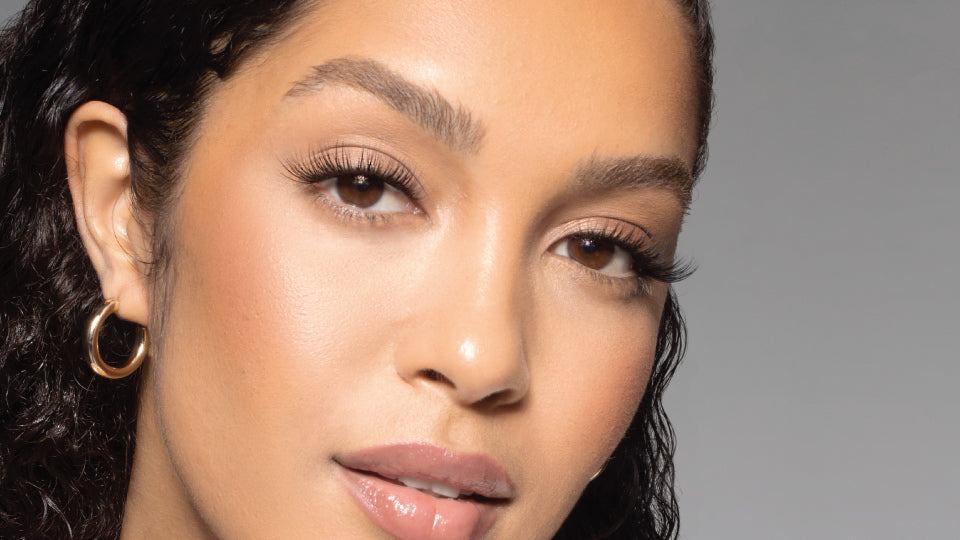
Lash extensions for almond eyes offer a refined way to enhance the natural harmony of the eye shape. Readers arrive with questions about whether almond-shaped eyes can wear longer outer corners, or which curl will best preserve eye openness without looking heavy. At Estetica, we approach almond-eye enhancement with a focus on balance, lash health, and personalized mapping rather than a one-size-fits-all approach. This article will walk you through how to map extensions to almond eyes, what choices matter for curl, length, and density, and how to maintain the look safely over time.
You may worry about looking overdone or sacrificing lash health for shape. You might also wonder how to communicate preferences to a technician who understands eyelash cycles, eye safety, and the realities of natural lash shedding. The goal here is to help you understand what decisions go into almond-eye lash mapping, how to communicate intent, and what maintenance habits support lasting results. By the end, you’ll feel more confident about choosing a style that flatters your eyes and fits your lifestyle.
Understanding almond eyes and lash mapping
What defines almond-shaped eyes
Almond eyes are typically longer than they are tall, with a gentle taper at both the inner and outer corners. The upper lash line often has a subtle, continuous curve, and the iris sits neatly inside the eyelid margin without excessive lid show. This shape tends to read balanced and versatile, but it also benefits from mapping that emphasizes the natural lift rather than masking it with excessive length or bulk.
Why mapping matters for almond eyes
Mapping is the translation of your eye’s anatomy into a lash arrangement that accentuates height, width, and balance. For almond eyes, a map usually aims to preserve eye openness while adding definition at the outer corner rather than creating a heavy, straight line across the lid. A thoughtful map considers natural lash health, the cycle of lash growth (growth, rest, and shedding phases), and how a chosen curl, length, and placement will wear day to day.
How to read a lash map and apply your preferences
A precise lash map divides the upper lash line into zones—inner, mid, and outer—with decisions about curl, length, and density per zone. In practice, almond-eye clients often benefit from a subtle taper toward the outer corner to maintain balance and lift without shortening the lid’s visible area. Your technician may show you a mapped sketch before any application, and you should feel empowered to adjust it for comfort and lifestyle. A well-executed map respects your natural lashes, upholds eye safety, and aligns with your everyday activities.
Maintaining lash health is the foundation; the shape should follow what your lashes can sustain, not the other way around.
To support the decision-making process, consider this saveable guide. It helps you think through a map before your appointment and ensures you share clear preferences with your lash artist.
- Assess your natural lash health and any history of irritation or shedding.
- Decide where you want the most emphasis—the outer corner or a more uniform line.
- Choose a curl that complements your lid curvature (for many almond eyes, a medium to soft curl works well).
- Set a length progression that respects the eye’s size and your comfort, avoiding overpowering the lid’s visible area.
- Determine density (classic, hybrid, or volume) based on daily lifestyle and maintenance willingness.
- Schedule a pre-application consultation to preview the map and discuss aftercare and potential risks.
Choosing the right curl, length, and diameter for almond eyes
Curl types explained and what they mean for almond eyes
Curl choices range from subtle to dramatic. For almond eyes, clinicians often favor curls that lift the lash line without turning the eye downward or creating a heavy “trap” at the lid. A moderate B or C curl frequently provides a natural lift, while D curls can be appropriate for clients seeking more openness or a dramatic effect—provided the natural lashes have enough health to support the extension’s weight. The key is balance: the curl should enhance the eye’s natural shape, not overwhelm it.
Length and diameter: how far to go without overloading
Length should be tailored to the eye’s proportion and the client’s lifestyle. Starting with a conservative length in the inner and mid-lacial zones is common, then extending slightly toward the outer corner if the eye can carry it without appearing crowded. Diameter—how thick each extension is—matters for lash health. A lighter diameter paired with careful placement helps maintain lash retention and comfort, especially for almond eyes whose shape benefits from a clean, refined silhouette.
Spacing and density: fullness with longevity
Density isn’t about maximum volume; it’s about what the natural lash line can support over the growth cycle. For almond eyes, many clients choose a classic or light hybrid approach to preserve eye shape and eye-opening effect. Volume sets can be considered if your natural lashes are strong, and if you’re committed to diligent aftercare and retentions. Your lash artist will tailor spacing to balance fullness with the lid’s visible space, reducing the risk of crowding that can impede cleanliness and comfort.
The American Academy of Ophthalmology notes that lash extensions carry potential risks when applied or maintained improperly, including irritation, allergic reactions, or lash damage. It’s important to seek a licensed professional and to follow aftercare instructions to minimize risk. For eye safety, always discontinue use if irritation persists and consult a clinician if you notice unusual redness, itching, or swelling. The American Academy of Dermatology also emphasizes choosing reputable providers and discussing any skin sensitivities or product ingredients before treatment.
Application considerations and common mistakes
Outer corner emphasis vs. balance
When the outer corner receives more emphasis, almond eyes can read more lifted and elongated. However, overemphasis risks a lopsided appearance if the inner lash line remains underwhelmed or if the outer extensions overlap into the waterline. Your technician should map a gradual outward extension that maintains an even cadence along the lash line, ensuring the outer lift is intentional and harmonious with your lid architecture.
Common mistakes that reduce retention or damage lashes
Common missteps include choosing extensions that are too long, applying heavy lashes to fragile natural lashes, or neglecting proper cleansing and lash line hygiene. Overloading can strain the natural lashes, leading to shedding or premature gaps. Another frequent issue is inconsistent spacing, which can cause a flat look or misalignment after a few days. A precise map and careful isolation during application help preserve lash health and retention.
What signals you need a re-map or removal
Persistent discomfort, noticeable lash shedding, or a misalignment that alters the eye’s perceived shape are all signals that a re-map or removal may be necessary. If you experience increasing irritation or a visual sensation of heaviness, pause extensions and consult your lash artist or eye care professional. It’s better to adjust your map or switch to a lighter approach than to endure ongoing issues.
Every almond-eye result should respect your natural lash health first; a good map is the foundation of a lasting, flattering look.
Safety comes first. If you have any concerns about eye safety or sensitivities, consult a licensed lash professional before proceeding and consider a patch test for adhesives if recommended by your studio. In addition to professional guidance, be mindful of signs of irritation between visits and avoid rubbing the eyes, especially in the first 24 to 48 hours after a fill.
Aftercare and maintenance for almond-eye lash extensions
Between appointments: care that protects alignment
Between visits, keep lashes clean with a gentle, water-based cleanser and avoid oil-based products near the lash line, as oils can weaken adhesive bonds over time. Brush lashes daily with a clean spoolie to separate extensions and reduce friction. Be mindful of sleeping positions; lying on your face can create pressure on the lashes and cause them to bend or twist. If you routinely rub your eyes or pull at lashes during sleep, you may notice irregular retention or lash damage—even with a well-planned map.
Care for removal or transitions
When it’s time for a removal or a re-map, rely on a professional to minimize trauma to the natural lash. DIY removals or aggressive manipulation can lead to lash breakage. If you’re transitioning from one style to another, give yourself a short adjustment window and allow your technician to assess how your natural lashes respond to the new design.
Lifestyle adjustments that influence retention
Waterproof mascara, heavy eye makeup, and strong cleansers can impact retention. If you wear makeup daily, consider more conservative projections on length and density to reduce maintenance needs. Regular professional touch-ups aligned with your natural lash cycle help maintain the desired almond-eye silhouette without overburdening the lashes. Your daily routine—including how you cleanse and remove makeup—will influence how long your extensions look fresh and balanced.
As part of ongoing care, a professional recommendation is to schedule routine check-ins and refits that align with your natural lash cycle. If irritation, unusual shedding, or changes in wear occur, consult your lash artist promptly to avoid compromising lash health or eye comfort. For safety considerations, if you notice persistent irritation, discontinue use and consult an eye care professional.
Healthy lashes, clear communication, and consistent aftercare are the trio that keeps almond-eye lash extensions looking refined.
In practice, many clients find that a light, well-planned mapping paired with a disciplined aftercare routine offers the most consistent results. If you’re curious about how almond-eye mapping could work for you, a consultation with Estetica can help translate your eye shape, lifestyle, and comfort level into a precise map that respects your natural lashes and daily routine.
For those who want to understand the safety and science behind lash extensions, consider reading guidance from reputable eye health and dermatology sources. The advice emphasizes working with licensed professionals, discussing sensitivities, and being mindful of potential reactions to adhesives and lash products. This is especially important if you’ve experienced irritation in the past or have a history of allergies. If you’d like to review authoritative resources, start with the American Academy of Ophthalmology and the American Academy of Dermatology, and consult with your esthetician before proceeding with any new lash design.
When you’re ready to take the next step, a tailored almond-eye mapping session can clarify how your eye shape will interact with curl, length, and density choices. If you’re considering a refined, eye-opening style that suits a busy lifestyle or a more relaxed daily routine, Estetica is available for consultations to review your goals and ensure you’re comfortable with every decision.