You have probably seen the warnings: lash adhesive can cause allergic reactions, and that thought might be holding you back from booking your first set of lash extensions. It is a valid concern, and it deserves a straight answer. The truth is that while adhesive reactions are possible, they are not inevitable, and understanding the difference between a true allergy, a sensitivity, and an irritation can help you decide if lash extensions are right for you. This article explains what actually causes reactions, how a professional studio like The Estetica in Glen Rock, NJ, minimizes risk, and what to do if you suspect you are sensitive.
What Causes an Allergic Reaction to Lash Adhesive?
An allergic reaction to lash adhesive is typically a response to one of the ingredients in the glue, most commonly cyanoacrylate. This is the same compound found in super glue, but lash adhesives are formulated with a lower concentration and are designed for use near the eye. When the adhesive comes into contact with the skin or the eye, the immune system may overreact, causing symptoms like redness, swelling, itching, or a rash. However, true allergies are relatively rare. Many people who think they are allergic are actually experiencing a sensitivity or an irritation caused by improper application, poor aftercare, or an adhesive that is not suitable for their skin type.
Allergy vs. Sensitivity vs. Irritation
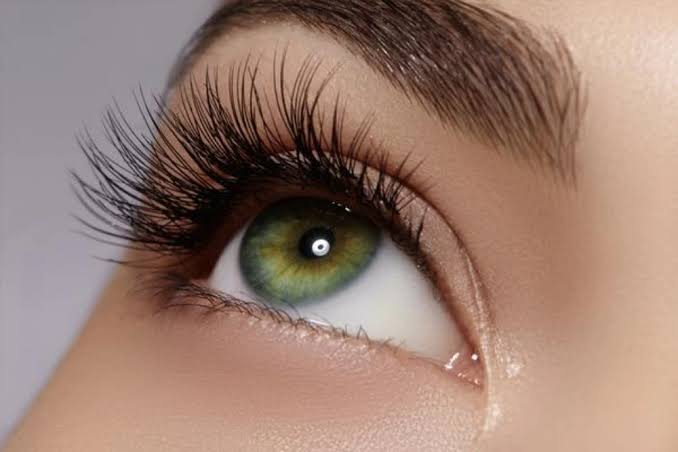
It is important to distinguish between these three terms because they require different responses. A true allergy involves the immune system and can cause severe symptoms, such as difficulty breathing, which requires immediate medical attention. A sensitivity is a milder reaction that may cause redness or itching but is not life-threatening. Irritation is often a result of mechanical factors, such as adhesive touching the skin or fumes from the adhesive, and can be avoided with proper technique. If you have a history of allergies or sensitive skin, it is wise to mention this during your consultation so the lash artist can choose an adhesive with lower fumes or a different formulation.
How The Estetica Minimizes the Risk of Adhesive Reactions
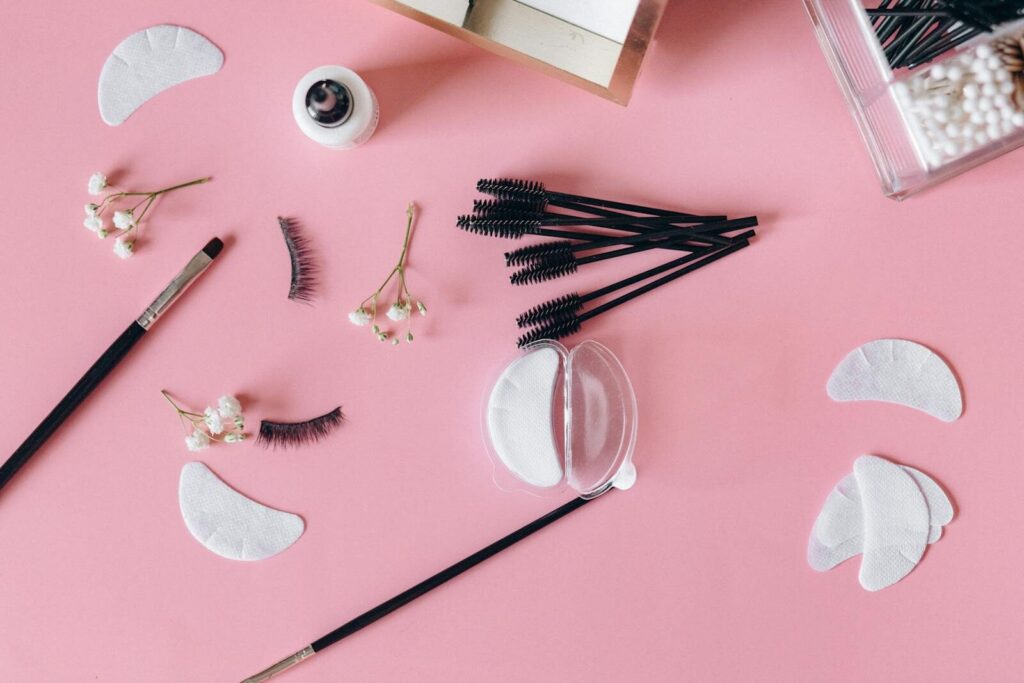
At The Estetica, we take adhesive safety seriously. We use high-quality, medical-grade adhesives that are specifically designed for lash extensions, and we follow strict application protocols to minimize the chance of any adverse reaction. Our lash artists are trained to isolate each natural lash and apply the extension at a safe distance from the skin, which prevents the adhesive from touching the eyelid. We also perform a patch test before your first full set if you have a known sensitivity or if you are new to lash extensions. This test involves applying a small amount of adhesive to your wrist or behind your ear and waiting 24 to 48 hours to see if any reaction occurs. It is a simple step that can give you peace of mind.
What to Expect During a Patch Test
During a patch test, the lash artist will clean a small area of your skin, apply a tiny drop of adhesive, and cover it with a bandage. You will then wait for the recommended time to see if any redness, swelling, or itching develops. If you do not have a reaction, it is likely safe to proceed with your lash extensions. If you do have a reaction, we will discuss alternative options, such as a different adhesive or a lash lift, which does not use adhesive near the skin.
Signs of a Reaction and What to Do
If you experience any of the following symptoms after getting lash extensions, it is important to act quickly: persistent redness, swelling, itching, a burning sensation, or a rash that does not subside within a few hours. In rare cases, a severe allergic reaction can cause difficulty breathing or swelling of the face and throat, which requires immediate emergency care. If you suspect a reaction, remove the extensions as soon as possible using a professional remover, and contact your lash artist or a healthcare provider. Do not attempt to pull the extensions off, as this can damage your natural lashes.
Common Mistakes That Increase the Risk of Irritation
- Rubbing your eyes after the appointment, which can cause the adhesive to shift and irritate the skin.
- Using oil-based makeup removers or cleansers near the lash line, which can break down the adhesive and cause it to migrate.
- Skipping your aftercare routine, leading to a buildup of dirt and bacteria that can cause itching and inflammation.
- Choosing a lash style that is too heavy for your natural lashes, causing them to droop and rub against the skin.

If you avoid these mistakes, you can significantly reduce the chance of irritation. Your lash artist will provide you with a detailed aftercare guide, and it is essential to follow it.
When to Choose a Lash Lift Instead
If you are still concerned about adhesive reactions, or if you have a known allergy to cyanoacrylate, a lash lift may be a better option for you. A lash lift is a semi-permanent treatment that curls your natural lashes from the base, giving them a lifted, lengthened appearance without the use of extensions or adhesive. The procedure uses a chemical solution to break down the bonds in your hair, then a setting solution to reshape them. It is a great option for those who want a low-maintenance look and are not looking for dramatic length or volume. At The Estetica, we offer lash lifts and tints as a safe alternative for clients who cannot or prefer not to use extensions.
Lash Lift vs. Extensions: Which Is Right for You?
To help you decide, consider the following: if you want a dramatic, customizable look and are willing to commit to regular fills every 2 to 3 weeks, lash extensions are a great choice. If you prefer a natural, low-maintenance look that lasts 6 to 8 weeks, a lash lift is ideal. If you have very short or sparse natural lashes, a lash lift may not provide the fullness you desire, and extensions might be a better option. Your lash artist can help you evaluate your natural lashes and recommend the best service for your goals.
Frequently Asked Questions
How common is an allergic reaction to lash adhesive?
True allergic reactions to lash adhesive are relatively rare, affecting a small percentage of the population. However, sensitivities and irritations are more common and can be managed with proper application and aftercare. If you have a history of allergies, it is important to discuss this with your lash artist and consider a patch test.
Can I get lash extensions if I have sensitive eyes?
Yes, many people with sensitive eyes successfully wear lash extensions. The key is to choose a lash artist who uses a gentle adhesive and applies the extensions correctly. You may also want to opt for a lighter set, such as classic lashes, to reduce the weight on your natural lashes. Always communicate your concerns during the consultation.
What should I do if I think I am having a reaction?
If you experience severe symptoms like difficulty breathing, seek emergency medical care immediately. For milder symptoms, remove the extensions with a professional remover and contact your lash artist. They can advise you on the next steps and determine if you need to see a doctor.
Is a patch test necessary before getting lash extensions?
While not all studios require a patch test, it is a good practice, especially if you have never had lash extensions before or have a history of allergies. At The Estetica, we offer patch tests to ensure your safety and peace of mind. It is a simple and quick process that can prevent a potential reaction.
Your Next Step: Book a Consultation
Fear of an allergic reaction should not stop you from enjoying the benefits of lash extensions. With the right professional, proper testing, and careful aftercare, you can achieve the natural, polished look you desire. If you are in Glen Rock, NJ, or the surrounding areas, we invite you to book a consultation at The Estetica. During your consultation, we will assess your natural lashes, discuss your concerns, and help you choose the best service for your needs. You can also request a patch test to ease your mind. Take the first step toward beautiful lashes with confidence.