
Is a Lash Lift Safe for Sensitive Eyes?
Is a lash lift safe for sensitive eyes? For many readers with delicate eyes, allergies, or contact lens wear, this question is at the top of the decision tree before booking. Lash lifts alter the natural lash with chemical solutions and shields in the eye area, so the safety picture is not universal. It tends to depend on patch testing, product choice, technique, and overall eye health. The aim here is to help you assess risk, understand what to expect, and learn practical steps to reduce irritation so you can decide with confidence whether a lash lift fits your lifestyle. The American Academy of Ophthalmology offers general eye-safety context for cosmetic procedures, while dermatology organizations emphasize patch testing and careful product selection. Resources from the American Academy of Dermatology can also provide background on skin sensitivities and cosmetic testing.
Throughout this article, we ground recommendations in real-world practice from a luxury lash and brow studio perspective. You’ll find clear, actionable steps, whether you’re already a client at Estetica or considering us for your next appointment. The goal is practical guidance: how to prepare, what to watch for, and how to talk with your technician so any lash-lift experience respects your sensitivities and your eye health.
Understanding lash lift safety for sensitive eyes
How lash lifts work and why sensitivity matters
Lash lifts reshape the appearance of your lashes using a gentle chemical system that softens the lash’s natural structure so it can be set into a curled position. For most people, outcomes are subtle and flattering, with the curl lasting several weeks depending on lash cycle and aftercare. For those with sensitive eyes, the primary concerns are irritation from the solutions, accidental splashes, or an increased reaction to ingredients or adhesives. Because the eye area is more reactive, even small deviations in technique or timing can influence comfort. This is not a universal risk, but it is a meaningful one worth discussing in advance with your technician.
Typical reactions and how they present
Common responses to lash-lift solutions can include mild stinging, watering, or a temporary feeling of grittiness if solution residue contacts the waterline or lower lashes. Less common but more significant reactions may involve prolonged redness, persistent itchiness, or a sensation that the eye remains irritated for hours or days after the service. These reactions do not happen to everyone, but they are important signals that you should pause and reassess the approach. If you have a history of ocular surface disease, seasonal allergies, or contact lens sensitivity, the likelihood of irritation may be higher, which makes patch testing and close post-service monitoring especially important.
Patch testing is essential for sensitive eyes and may prevent uncomfortable reactions. It is a small step that can save you from larger issues after the service.
Your eye area is delicate; even with skilled technique, conversations about ingredients, products, and aftercare are crucial to keep comfort a priority.
Eye safety during the service
During a lash-lift procedure, your technician should aim to minimize contact with the eye itself and shield the lower lash line. The safety conversation should include your medical history, current eye health, and any past reactions to cosmetics or adhesives. If at any moment you feel burning, stinging, or excessive tearing, the service should be paused or stopped. A good technician will prioritize eye protection, a thorough patch test, and a clear aftercare plan tailored to sensitive eyes. If you wear contact lenses, discuss whether you should remove them for the procedure and when it is safe to reinsert them. The conversation about safety is as important as the lift itself, and it is appropriate to request additional protective steps if you are feeling unsure.
This is not a one-size-fits-all service; the right approach is built on your eye health, patch testing results, and a clear safety protocol that you and your technician both trust.
Prep steps before you book
Patch testing explained
Patch testing is a small, controlled test to see whether your skin or eyes react to the lash-lift solutions and adhesives that will be used. For sensitive eyes, a patch test is commonly recommended 24 to 48 hours before the service. It helps identify potential irritants without exposing you to a full treatment. If you have a history of ocular allergies, eczema around the eyes, or reactions to cosmetics, a patch test becomes an even more valuable step. The goal is to confirm tolerance before you commit to a full lift, reducing the risk of sudden irritation during or after the service.
Who should be cautious
If you have ever experienced eye irritation from lash products, have a history of atopic dermatitis around the eyes, wear soft contact lenses, or have ongoing ocular surface concerns, you may want to approach lash lifts with extra caution. Certain medications or skin conditions around the eye area can also affect how your skin and eyes respond to cosmetic procedures. In these scenarios, a thorough consultation with your lash artist and, if needed, your ophthalmologist can help determine whether a patch test and an adjusted protocol are appropriate for you.
How to choose a safe provider
When selecting a provider, look for:
- clear patch-testing procedures and documented results
- transparent product information and safety protocols
- professional licensing and a clean, well-maintained work environment
- a technician who takes the time to review your medical history and allergies
A reputable studio will treat your safety as the foundation of the service, not a checklist after the fact. Ask how they handle eye protection, what happens if irritation occurs, and whether they offer alternative services if sensitivity is a concern.
Your prep checklist for sensitive eyes
- Schedule a patch test 24 to 48 hours before the lift, and confirm the test results with your technician.
- Avoid eye makeup, mascara, and waterproof products for at least 24 hours before the appointment.
- Disclose all medications, such as retinoids, isotretinoin, or topical acne therapies, as well as any eye conditions or allergies.
- Decide in advance about contact lenses, including whether you will remove them for the treatment and how long to wait before reinserting them.
- Do not sleep on your face or on your eyes the night before; keep lashes clean and free of debris.
- Bring a list of questions about ingredients and patch-test outcomes so you can discuss them in detail.
- Schedule the appointment earlier in the day if possible, so you have time to assess comfort and address any issues with your technician.
Day of appointment: expectations and safety checks
What happens during the service with sensitive eyes
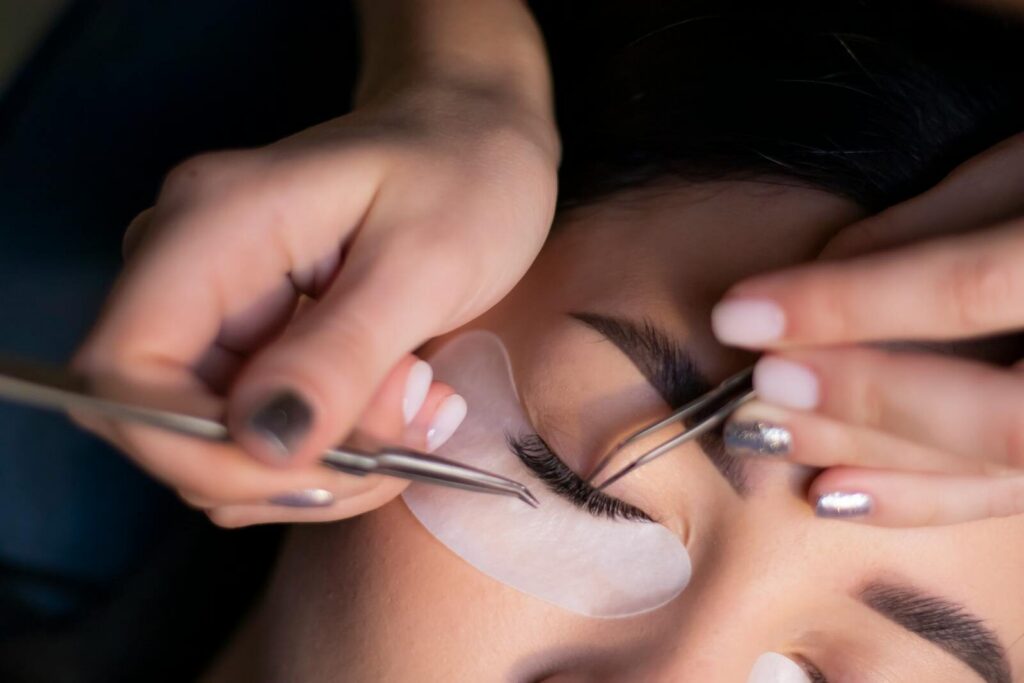
On the day of the lift, your technician will review your patch-test results, confirm your medical history, and explain the steps they will take to protect the eye area. The process typically involves carefully isolating the lashes and using shields to prevent product contact with the eye itself. If any sensation becomes uncomfortable, you should speak up immediately. The technician’s goal is a balanced, natural lift with minimal risk to your eye comfort and lash health. Your aftercare plan will be explained, including how to maintain the lift while supporting sensitive eyes.
What could go wrong and how the tech mitigates risk
Even with careful technique, minor irritation can occur if solutions migrate toward the waterline or if you have an unexpected sensitivity to an ingredient. A skilled technician will pause if necessary, rinse gently, and reassess before continuing. Patch-test results should guide choices about product strength and processing time. If you have a known sensitivity, you may opt for lighter formulations or alternative lash enhancements. The key is open dialogue and a plan that prioritizes your comfort and eye health.
Aftercare and maintenance
Post-care steps that support sensitive eyes
- Avoid oil-based cleansers around the eye area for the first 24 to 48 hours, since oils can loosen the lift and lead to irritation if residue lingers near the lash line.
- Use a gentle, fragrance-free eye makeup remover if you wear makeup; avoid rubbing the eye area.
- Be mindful of sleeping positions; try not to press your face into the pillow on freshly lifted lashes for at least 24 hours.
- Keep lashes dry for the first 24 hours to prevent premature setting or irritation.
- If you wear contact lenses, wait the advised period before reinserting them and follow your technician’s guidance on lens safety.
- Regular lash conditioning with a product your technician recommends can help maintain lash health between appointments, especially if you have sensitive eyes.
- Report any persistent redness, swelling, or itching to your technician or a medical professional, and do not proceed with additional services if you are unsure about your reaction.
For sensitive eyes, the safest approach to upkeep is consistent, gentle care and honest communication with your lash artist about how your eyes feel after the service.
Signs something is off after a lash lift
- Prolonged redness beyond 24 hours
- Persistent tearing or itching that does not subside with basic remedies
- A lasting burning sensation or blurred vision
- Lash lift asymmetry or sudden shedding beyond the natural cycle
If you notice any of these, contact your lash studio promptly and consider a professional eye evaluation if symptoms persist. Eye safety is not something to gamble with, and early consultation can prevent longer-term discomfort.
When to consult a professional outside the studio
If you have ongoing eye irritation, a history of allergies, eczema around the eyes, or contact lens sensitivity, you should consider a consultation not only with your lash artist but also with an ophthalmologist. They can assess whether your ocular surface health supports a lash-lift treatment or whether alternative lash-enhancement options may be more suitable. This collaborative approach helps ensure your aesthetic goals do not come at the cost of eye comfort and safety.
Quick decision guide: is a lash lift right for you if you have sensitive eyes?
- You value careful patch testing and clear safety protocols.
- You can accommodate a slightly longer pre-appointment consultation to discuss sensitivities.
- You are comfortable with a conservative lift or a modified formula if advised by your technician.
- You can maintain a strict aftercare routine that minimizes irritation risk.
- You are open to exploring alternative lash options, such as a lightweight lash tint or a conservative extension set, if sensitivity concerns remain.
The decision depends on your eye health, your willingness to engage in a detailed safety plan, and your trust in a qualified professional who prioritizes your comfort. A thoughtful, patient-first approach tends to provide the best balance of beauty and safety.
If you are considering a lash lift and have sensitive eyes, the obvious next step is a thorough consultation with our Estetica lash artist to review your medical history and patch-testing options. Reach out to schedule a consultation and begin a safety-first path toward enhanced lashes.