
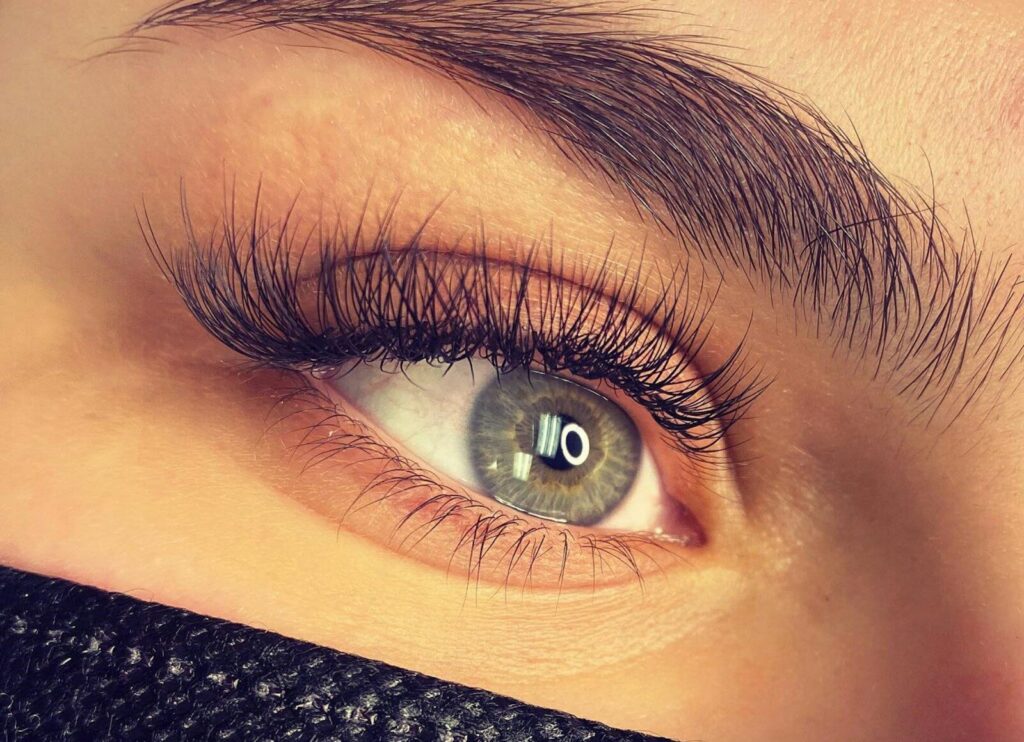
Lash extensions can elevate your look with refined detail, but the adhesive that binds them to your natural lashes is a common source of irritation for some clients. If you’ve noticed itching, burning, or red, watery eyes after a lash appointment, you’re not alone. This guide will help you tell whether your lash adhesive is causing the irritation, what to do right away, and how to reduce risk in future visits. By the end, you’ll know how to interpret your symptoms, decide when to seek professional help, and communicate clearly with your lash artist about safer options.
At Estetica, safety and personalized care are foundational. We emphasize patch testing, careful room ventilation, high-quality materials, and meticulous technique because every eye is different. Irritation can stem from the adhesive itself, the timing of application, aftercare products, or a combination of factors. The goal of this article is to give you practical steps you can take now and an informed framework for discussing adhesives with your artist, rather than to imply a one-size-fits-all outcome.
Understanding lash adhesive and why irritation occurs
What is in lash adhesive and how it can cause irritation
Lash adhesives are designed to cure quickly and create a strong bond between the extension and your natural lash. Most formulas rely on cyanoacrylate polymers as the primary bonding agent. While these adhesives are safe for many clients, they release fumes and may contain other additives or thickeners that can irritate sensitive eyes or skin. Reactions can be immediate or delayed, and symptoms may range from mild itchiness to more noticeable swelling.
Some people react to the odor, fumes, or a specific ingredient in the adhesive. In certain cases, a chemical called formaldehyde-releasing compounds or other stabilizers may be present in trace amounts; though these are not universal and vary by product line, they’re worth noting if you have known sensitivities. A patch test with your lash artist before a full application is a common practice to screen for reactions, though it’s not a guarantee for every individual situation.
“Your eyes communicate what your body tolerates. Any irritation after lash application is a signal to pause and reassess.”
“Safety isn’t optional—it’s the foundation of a great lash set. If something feels off, it’s wise to pause and consult your artist.”
How irritation happens beyond ingredients
Even when the adhesive itself isn’t the direct culprit, several non-ingredient factors can contribute to irritation. Poor application technique can trap adhesive fumes near the eye, or excessive adhesive near the lash line can create a sheathing effect that irritates the delicate eyelid skin. Inadequate ventilation in the service space may allow fumes to linger. Aftercare products used near the lash line, such as oil-based cleansers or heavy creams, can interfere with curing and cause irritation or a perceived “burning” sensation.
Understanding these dynamics helps you distinguish between a reaction to the product itself and a temporary irritant in the environment or aftercare routine. It also highlights why patch testing and a careful aftercare plan are essential parts of a safe lash journey. For readers with known sensitivities, discussing adhesive options with your artist—such as gentler formulas or alternative bonding methods—may be worth exploring.
Who is most at risk
Those with sensitive skin around the eyes, a history of contact dermatitis, or previous reactions to adhesives may be more prone to irritation. People who wear contact lenses or use heavy skincare products around the eyes can also experience more irritation if products migrate toward the lash line. Eye shape, lash health, and the natural lash cycle influence how a given adhesive performs on your eyes, underscoring the value of a personalized approach with a skilled lash artist.
Spotting the signs early
“If it doesn’t feel right, don’t wait to seek help. Early signs are easier to address.”
Itching, burning, and tearing
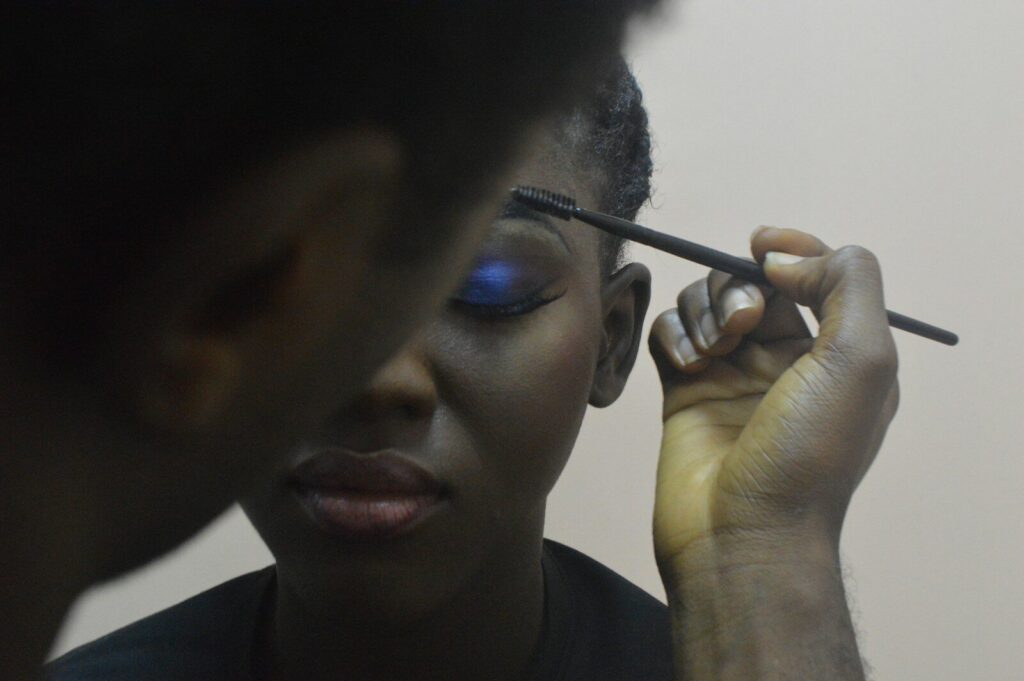
Common early signs include itching around the lash line, a burning sensation, or increased tearing, especially within the first 24 to 48 hours after application. Itching may feel mild at first but can intensify if rubbing occurs or if an irritant is present in the environment. It’s important to distinguish a mild itch from a feverish or persistent burning that intensifies with time.
Redness and swelling around the eyelids
Redness along the lash line or swollen eyelids can indicate irritation, an allergic-type reaction, or a mechanical issue from over-application. If redness is localized to the lash line and doesn’t spread or worsen, it may still be manageable with proper aftercare and a revision with your lash artist. Worsening swelling or eyelid puffiness warrants prompt attention, particularly if vision becomes affected or if the eye feels unusually sensitive to light.
Tearing with or without discharge
Excessive tearing, especially when paired with a watery discharge, can signal irritation or a reaction to the adhesive or to an aftercare product. If discharge becomes thick, discolored, or foul-smelling, it’s important to seek professional evaluation to rule out infection or a more serious reaction.
Discomfort during or after a session
Discomfort during the appointment—such as a stinging sensation in the eye or on the eyelid—may point to improper curing or exposure to fumes. Post-appointment discomfort that lingers beyond 24–48 hours should be discussed with your lash artist, as it could indicate a localized irritation or the need to adjust products or technique for your eye shape and sensitivity.
If you’re unsure whether what you feel is normal, documenting when symptoms started and how they’ve progressed can help your artist determine whether a simple adjustment will suffice or if a temporary break from extensions is prudent. For perspective on eye safety and dermatitis considerations, credible ophthalmology and dermatology resources can offer additional guidance. American Academy of Ophthalmology and American Academy of Dermatology provide broad safety information that may be relevant to adhesive-related concerns.
Immediate steps if you suspect irritation
Reacting promptly when irritation arises helps protect your natural lashes and eye health, and it guides your artist toward safer practice in the future. The steps below are designed to be practical and non-alarming, so you can act decisively without panic.
- Stop using any new products near the eyes, including oils, creams, or serums that may interact with adhesives.
- Gently rinse the eye area with lukewarm water or saline if comfortable, keeping eyes closed while rinsing to avoid forcing water into the eye.
- Avoid rubbing, scratching, or applying pressure to the eyelids, which can worsen irritation or cause lash breakage.
- Contact your lash artist promptly to discuss symptoms, assess whether a removal or adjustment is needed, and arrange a safe evaluation or patch test before future appointments.
- Monitor symptoms carefully. If irritation persists beyond 24–48 hours, or if you experience vision changes, severe swelling, or eye discharge, seek professional medical care without delay.
- Document what you noticed (timing, symptoms, any changes after care) to support a clear conversation with your artist about adhesive choices and aftercare adjustments for future visits.
These steps help you manage a potential irritation while keeping your eyes as safe as possible during the healing window. Your lash artist can advise on the safest path forward, including whether to switch to a different adhesive or to postpone extensions until sensitivity resolves.
How to prevent irritation in the future
Choosing the right adhesive for sensitive eyes
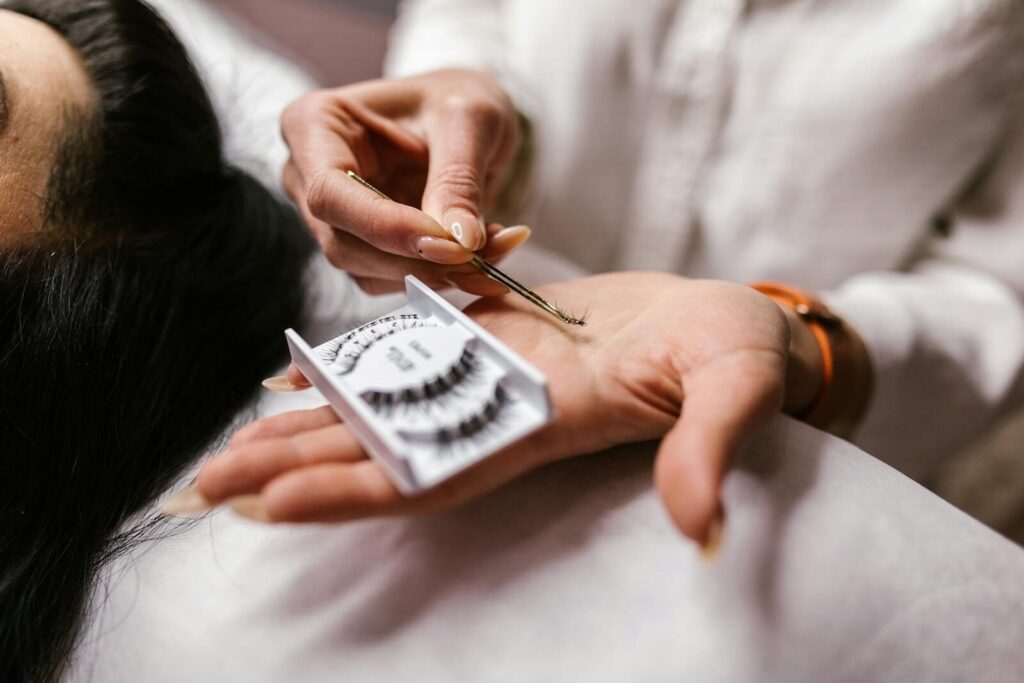
When irritation is a concern, your artist may consider using a gentler alternative option and ensuring proper ventilation during application. Some formulas are designed to cure with lower fumes or to minimize skin contact at the lash line. During a consultation, ask about patch testing, the adhesive’s cure time, and how it behaves with your typical eye makeup and skincare routine. The goal is a plan that preserves lash retention while reducing risk for your eyes.
Patch testing and informed consent
A patch test before a full set helps identify potential reactions in a controlled, low-risk way. Even with patch testing, individual responses can vary after full application. Discuss the test results openly with your lash artist and consider a gradual approach—starting with a conservative style or shorter extensions to monitor comfort and tolerance.
Pre-appointment prep and aftercare
Preparation matters. Arriving with clean lashes, avoiding waterproof mascara on the day of service, and keeping the area free from heavy face oils can support a healthier bond and reduce irritation risk. Aftercare should emphasize gentle cleansing and avoiding oil-based products near the lash line, which can interfere with cured adhesive and potentially contribute to irritation or shedding.
Between visits: lifestyle tweaks
Minimize exposure to irritants between appointments. This can include using fragrance-free skincare around the eyes, choosing mild cleansers, and avoiding rubbing the eyes after a long day. If you wear contact lenses, discuss compatibility with your lash schedule, as some people find contacts more comfortable once they’ve adjusted to their new lash routine. Maintaining healthy lid hygiene also supports overall lash health and comfort.
When to seek professional help and what to expect
If irritation is persistent, worsening, or affecting your daily activities, it’s wise to involve a professional—both your lash artist and, if needed, a healthcare provider. A trained lash artist can assess application technique, adhesive type, and aftercare implications. A medical professional can evaluate for an allergy, dermatitis, or infection, and guide you through appropriate treatment or the safe timing of reintroducing lash services. The balance is to protect eye health while preserving the possibility of enjoying lash enhancements in the future.
For readers who are considering a future appointment, bring notes on Your symptoms, the products you’ve used near your eyes, and any hours or days when irritation was most intense. This helps your artist tailor a safer plan for your eye shape, lash health, and lifestyle. If you’d like a personalized safety review before booking, a consult with Estetica’s senior lash professionals can provide clarity on adhesive choices, patch testing, and maintenance options that best fit you.
Closing thought: a practical path forward
By paying attention to early signs, choosing adhesives thoughtfully, and following a careful, step-by-step plan if irritation arises, you can protect your eye health while pursuing the lash look you want. A communication-forward approach with your lash artist—about sensitivity, patch testing, and aftercare—tends to yield safer results and more consistent retention. If irritation continues or you’re unsure about your next steps, schedule a consultation to review adhesives and aftercare tailored to your eyes and lifestyle. Your comfort matters—and so does your long-term lash health.