
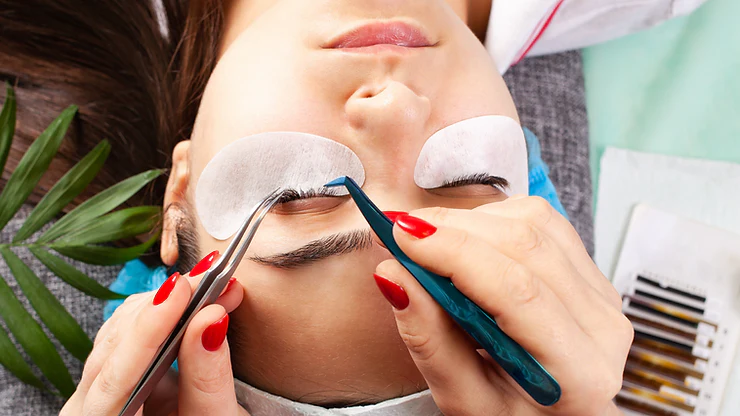
How to Ask Your Lash Tech for Exactly What You Want is less about demanding perfection and more about translating your vision into a precise, workable plan that respects your natural lashes and the technician’s expertise. Many clients arrive with a general idea—perhaps a preference for a softer, more natural result or a bold, visible lash line—and worry they’ll overwhelm the artist or derail the appointment. This article guides you through a practical approach to articulate goals, translate them into lash-language that your tech can act on, and set expectations that honor safety, health, and longevity. By the end, you’ll feel equipped to describe your preferences clearly, ask the right questions, and collaborate effectively with your lash professional.
At Estetica in Glen Rock, NJ, our clients frequently express a mix of excitement and nerves about speaking up. You may wonder how your eye shape, lifestyle, or previous experiences will translate into a treatment plan. The core idea is straightforward: you bring the goal and any concerns, and your lash tech brings professional assessment—lash health, product chemistry, application technique, and aftercare knowledge. With a clear framework, you can articulate what you want without hedging or overexplaining, and you’ll be more likely to leave with a result that matches your lifestyle while preserving natural lash health.
Clarify Your Vision Before You Sit Down
What look are you aiming for?
Start with a concrete description. Do you want a “no-makeup” enhancement that still reads as natural, or a more defined lash line that sharpens your eyes for evenings out? Consider how much fullness, length, and curl will feel balanced on your face rather than competing with it. A useful approach is to pair a mental picture with a few reference photos that show the degree of curl, density, and length you’re after. This helps your lash tech translate emotion into measurable parameters—length in millimeters, curl type, density, and how closely the extensions align to your natural lash line.
Consider your eye shape and everyday life
Your eye shape and daily activities influence what looks and lasts well. If you have hooded lids, for example, you may lean toward a style that prevents the lashes from slipping behind the fold, while almond-shaped eyes can often support a wider range of curl options. If you wear contact lenses, swim, or sweat a lot during workouts, you’ll want a plan that prioritizes retention and safer adhesive contact with your lifestyle. The goal is a look that remains flattering under your routine, not one that requires constant adjustment between appointments.
Timeline and maintenance expectations
Discuss how often you want to return for fills, what you can reasonably commit to in terms of aftercare, and how long you’d like the initial set to last before you consider a refresh. Setting a practical maintenance plan helps prevent over- or under-density, which can affect lash health and retention. A clear maintenance calendar also helps your tech tailor the weight and isolation strategy to your lash cycle, minimizing stress on natural lashes and optimizing retention.
Language you both understand—clearly named goals, not vague wishes—sets the foundation for a successful application.
Decode Lash Terminology So You Can Speak the Same Language
Curl types and what they do
Lash curl is not a cosmetic flourish alone; it changes how open or awake a look feels and how much lift you get from the same length. Common options include gentler curls for a soft lift and stronger curls for more definition. Your tech will explain what each curl type can achieve on your natural lash line, taking into account lash health and retention. Understanding the basics helps you ask directly for the effect you want without relying on subjective impressions alone.
Diameter, length, and density
Length determines how far the extension projects, diameter affects how heavy the lash feels, and density relates to how many lashes are applied per natural lash. A larger diameter or longer length can create a more dramatic silhouette but may impact retention if your natural lashes aren’t strong enough to support it. This is where honest communication about lash health, growth cycles, and lifestyle matters—your tech can propose a staged approach that preserves lash health while achieving your desired look.
Isolation and fullness: how the technician thinks about coverage
“Isolation” refers to how well individual extensions avoid attaching to neighboring natural lashes. Poor isolation can lead to crowding, uneven growth, or premature shedding. When you discuss fullness, you’re balancing how many lashes per eye with the health of your natural lashes and how you wear them between appointments. A thoughtful plan often means starting with a precise, natural baseline and adjusting gradually as you assess retention and comfort.
Clear terminology helps you compare options and avoid gaps between what you think you asked for and what you actually receive.
The Exact Questions and Phrases to Use at Your Appointment
What to ask to confirm a good fit
Ask for specifics you can visualize: “What length range would suit my eye shape and natural lashes if I want a natural look?” or “Which curl type do you recommend for hooded lids to prevent lashes from folding and losing lift?” Phrase your preferences as target outcomes rather than absolutes: “I’d like a soft, lifted look with moderate length on the outer corners” rather than “I want full volume.”
How to suggest eye shape compatibility
Point out features you know matter: “I have monolids and I tend to sleep on my face; will a lighter density and a mid-range length help with retention and comfort?” Connecting your habits to the style you want helps the tech tailor the plan without overpromising on results. If you bring a photo, be ready to discuss what in the image is achievable for you and what would need adjustment for your eye shape.
How to handle discrepancies and aftercare
If the technician suggests a different direction, listen for the rationale tied to lash health and cycle timing. Ask, “What would you do differently if I want more length but have thinner lashes?” or “What aftercare steps do you recommend right away to maximize retention?” Plan for a trial approach—try a conservative version first and revisit adjustments at your next fill if you’re curious about more drama or more natural results.
Common Scenarios: Eye Shapes, Lifestyles, and Maintenance
Almond eyes, hooded lids, and round eyes
Identifying your eye shape helps you align expectations with what your tech can responsibly achieve. Almond eyes often accommodate a wide range of curls and lengths, while hooded lids may benefit from slightly shorter lengths and a curl that opens the lid rather than pushing lashes into the crease. Round eyes can appear more balanced with outer-corner emphasis to elongate the look. Your tech will weigh lash health, lash growth cycle, and lid structure to propose a safe, flattering path.
Active lifestyles and makeup habits
If you’re athletic, sweat, or rely on waterproof products, retention may be impacted and you’ll want to plan accordingly. A practical approach may involve choosing a curl and length that minimize friction with sweat and splash while maintaining a look you can top up between fills. If you wear mascara in between appointments, discuss whether you prefer a mascara-compatible lift versus relying on extensions for daily definition.
Lash health signals and when to pause
Pay attention to the natural lash cycle: shedding is normal, and growth phases vary by person. If you notice unusual thinning, persistent irritation, or frequent lash loss beyond typical shedding, mention it to your tech. They may adjust weight, isolate more conservatively, or schedule a check-in to preserve lash health. In some cases, pausing between sets can protect natural lashes and prevent over-processing.
Clear, collaborative dialogue reduces risks and keeps you in the driver’s seat of your look.
Care Checklist: Your Step-by-Step Plan
- Define your goal: natural, balanced, or dramatic; specify preferred length range, curl type, and density.
- Gather inspiration: collect 3 to 5 photos that illustrate the vibe you want and note what you like about each (outer-dlip emphasis, overall density, inner corner lift).
- Learn a few terms: understand curl types, lash diameter, and isolation concepts so you can discuss concrete details.
- Note sensitivities or past issues: mention any irritation, reaction to adhesive, or skin sensitivities to your tech or during a patch test.
- Check your natural lash health: consider lash shedding patterns, thickness, and existing breakage to guide a safe starting point.
- Prepare your questions: write a short list of must-ask items, from safety and safety margins to aftercare steps and maintenance plans.
- Agree on a maintenance plan: confirm how often you’ll come in for fills, what aftercare routine you’ll follow, and how you’ll monitor retention between visits.
Between appointments, maintain healthy lashes by following the aftercare guidelines your lash tech provides. If you wear oil-based cleansers around the eye area, you may want to adjust your routine to protect the adhesive bond. If you sleep on your face, consider a silk pillowcase to reduce friction. And if you ever notice unusual irritation or a sudden change in lash behavior, seek professional guidance promptly to avoid unnecessary lash damage.
For context on eye safety and general eye health considerations related to cosmetic lash services, you can consult resources from the American Academy of Ophthalmology and the American Academy of Dermatology. These organizations offer broad guidance about eye safety and skin sensitivity that can complement advice from your lash professional.
By approaching the conversation with clear goals, precise language, and a collaborative mindset, you’ll feel empowered to guide the appointment without ambiguity. Your aim is a look that respects your natural lashes, supports your routine, and aligns with the skill and standards you expect from a precision studio like Estetica.
The next practical step is to book a consultation at Estetica in Glen Rock, NJ, so we can hear your goals, assess your lash health, and map a treatment plan that fits your lifestyle while staying true to high standards of safety and artistry.