

Walking into a facial waxing appointment in Glen Rock, NJ, can feel intimidating if you are unsure what to expect. You want smooth, polished skin without irritation, redness, or the worry that the wax will pull too hard. The right preparation starts before you arrive, and knowing what to do and what to avoid makes the difference between a comfortable session and a stressful one.
This guide walks you through the practical steps for preparing for facial waxing, what to expect during the service, and how to care for your skin afterward. You will also learn when to skip waxing and how to get the best results from your appointment at The Estetica.
What to Do Before Your Facial Waxing Appointment

Preparation is about protecting your skin and making the waxing process as smooth as possible. A few simple steps in the days leading up to your appointment can reduce discomfort and improve results.
Grow Out the Hair to the Right Length
For the wax to grip the hair properly, it needs to be about a quarter of an inch long, roughly the length of a grain of rice. If you shave or trim too close, the wax cannot grab the hair, and you may need to reschedule. If you usually wax every three to four weeks, keep that schedule so the hair is ready when you arrive.
Exfoliate Gently One to Two Days Before
Light exfoliation removes dead skin cells and helps the wax adhere to the hair rather than the skin. Use a soft washcloth or a gentle scrub on the area you plan to wax. Avoid exfoliating on the same day as your appointment, as this can make your skin more sensitive.
Skip Retinoids and Strong Actives for a Few Days
Products containing retinol, tretinoin, or strong acids like glycolic acid can thin the skin and increase the risk of lifting or irritation during waxing. Stop using these on the treatment area at least two to three days before your appointment. If you are unsure, ask your esthetician during the consultation.
What to Avoid Before Waxing
Some habits can make waxing more painful or increase the chance of side effects. Knowing what to skip is just as important as knowing what to do.
- Avoid sun exposure and tanning: Sunburned or recently tanned skin is more sensitive and prone to peeling. Wait until any redness or peeling has fully resolved before booking.
- Do not apply heavy creams or oils: Lotions, serums, and oils create a barrier that prevents the wax from gripping the hair. Arrive with clean, dry skin.
- Skip caffeine right before your appointment: Caffeine can make your skin more sensitive and increase discomfort. Have your coffee a few hours earlier or wait until after.
- Do not tweeze or thread between appointments: If you are maintaining a brow shape, let the hair grow so the esthetician can see the natural growth pattern and create a balanced shape.
What to Expect During Your Facial Waxing Session
Understanding the process helps you feel calm and prepared. A professional facial waxing service at a studio like The Estetica follows a clear, safe routine.
Consultation and Skin Check
Your esthetician will review your skin, discuss any sensitivities, and confirm the areas you want to wax. This is the time to mention any medications, allergies, or recent skin treatments.
The Waxing Process
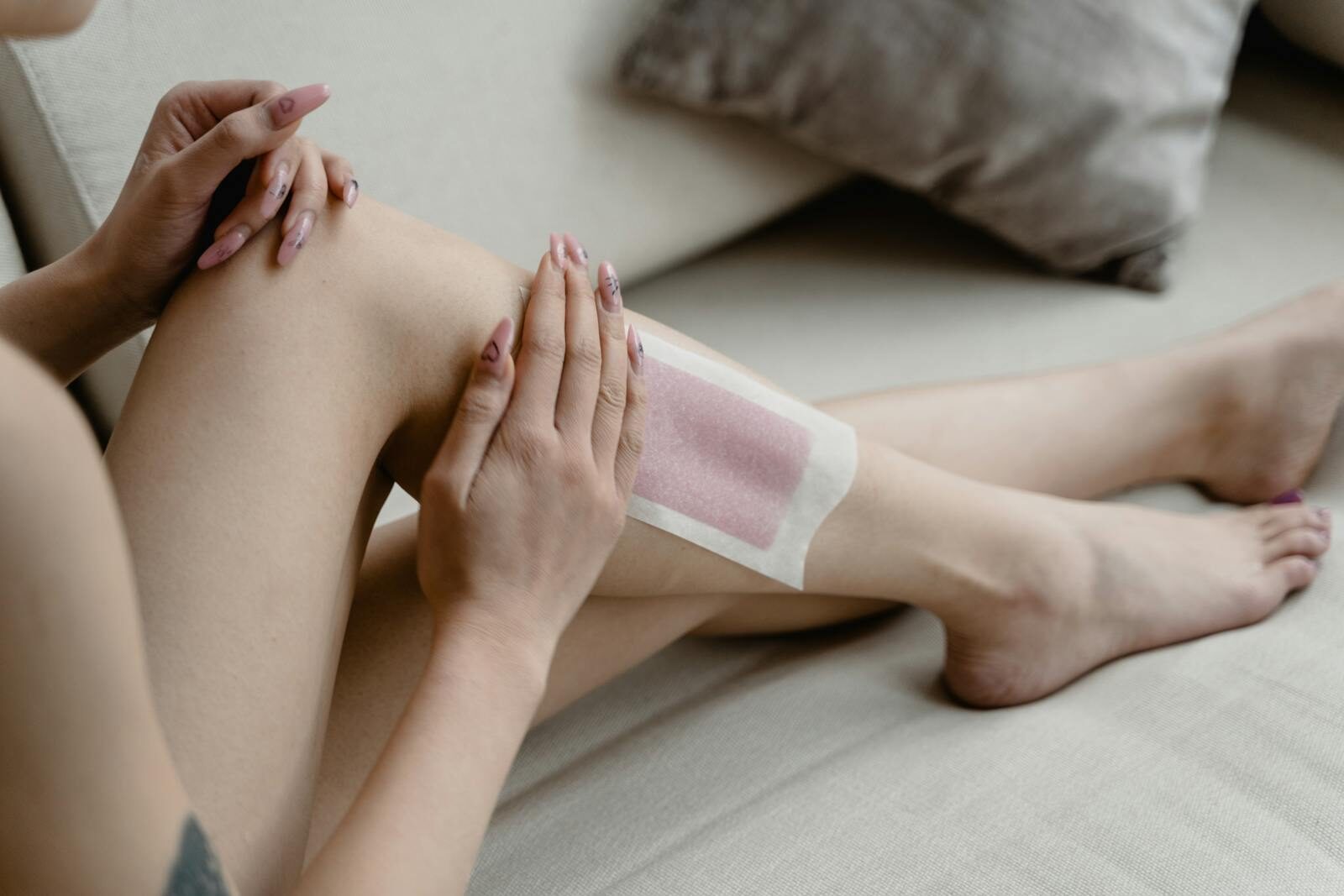
The esthetician will cleanse the area, apply a pre-wax solution to remove oils, and then apply warm wax in the direction of hair growth. The wax is removed quickly against the growth direction, which minimizes discomfort. For sensitive areas like the upper lip or eyebrows, a gentle technique and appropriate wax temperature are used to reduce redness.
Aftercare Application
After waxing, a soothing lotion or oil is applied to calm the skin and remove any residue. Your esthetician will also give you specific aftercare instructions tailored to your skin type.
Aftercare: How to Care for Your Skin Post-Wax
What you do in the 24 to 48 hours after waxing affects how quickly your skin calms and how long the results last. Follow these steps to keep your skin smooth and avoid irritation.
- Keep the area clean and dry: Avoid touching the waxed area with unwashed hands. Gently cleanse with a mild, fragrance-free cleanser.
- Avoid heat and sweat: Skip hot showers, saunas, steam rooms, and intense workouts for at least 24 hours. Heat can irritate freshly waxed skin and cause redness or bumps.
- Do not use harsh exfoliants or active ingredients: Avoid scrubs, retinol, and acids for two to three days. Let the skin recover.
- Moisturize with a gentle, fragrance-free lotion: Hydration helps the skin heal and keeps it soft. Avoid heavy oils or perfumed products.
- Skip makeup on waxed areas for a few hours: If you waxed your brows or upper lip, wait at least a few hours before applying makeup to allow the pores to close.
Common Mistakes to Avoid After Waxing
Even with good preparation, a few missteps can ruin your results. Here are the most common mistakes and how to correct them.
- Using hot water or steam too soon: This can cause redness and irritation. Stick to lukewarm water for the first day.
- Picking at any bumps or ingrown hairs: Picking can lead to infection and scarring. If you notice ingrown hairs, gently exfoliate after three days and apply a soothing serum.
- Going back to retinol immediately: Wait at least 48 hours before resuming active ingredients to prevent sensitivity.
- Wearing tight clothing over the waxed area: For body waxing, tight fabrics can rub and irritate. Choose loose, breathable clothing on the day of your appointment.
When to Skip Waxing and Consult a Professional
Facial waxing is not suitable for everyone at all times. If you have any of the following conditions, it is best to postpone your appointment and speak with a professional.
- Active acne or cold sores: Waxing over broken or infected skin can spread bacteria and worsen the condition. Wait until the area is clear.
- Recent chemical peels or laser treatments: These procedures can make the skin fragile. Wait at least two weeks or as advised by your dermatologist.
- Sunburn or peeling skin: Waxing sunburned skin is painful and can cause further damage. Wait until the skin has fully healed.
- Use of isotretinoin (Accutane): This medication can make the skin extremely sensitive and prone to scarring. Avoid waxing for at least six months after stopping, unless your doctor approves.
If you have a medical condition or are taking medication that affects your skin, always check with your esthetician or doctor before booking.
Frequently Asked Questions About Facial Waxing
How long does facial waxing last?
Facial waxing typically lasts three to four weeks, depending on your hair growth cycle. Regular appointments every three to four weeks help maintain smooth results and reduce the chance of ingrown hairs.
Does facial waxing hurt?
There is some discomfort, but it is brief. The sensation is often described as a quick sting. A skilled esthetician uses techniques to minimize pain, and the area becomes less sensitive with regular waxing.
Can I wear makeup after facial waxing?
It is best to wait at least a few hours before applying makeup to allow the skin to settle. If you must wear makeup, use clean brushes and avoid heavy products on the waxed area.
How should I prepare for my first facial wax?
Arrive with clean, dry skin, avoid caffeine, and stop using retinol or strong acids a few days before. Let the hair grow to about a quarter of an inch, and be ready to discuss any skin sensitivities with your esthetician.
What should I do if I experience redness or bumps after waxing?
Mild redness is normal and usually subsides within a few hours. Apply a cool compress and a gentle moisturizer. If redness persists or bumps become painful, contact your esthetician or seek medical advice.
Preparing for facial waxing does not have to be complicated. Focus on gentle exfoliation, avoid irritating products, and follow the aftercare steps to keep your skin calm and smooth. If you are ready to book your next facial waxing appointment in Glen Rock, NJ, schedule a consultation at The Estetica. Your esthetician will review your skin, answer your questions, and help you achieve a polished, natural result with confidence.