

Facial waxing is a quick way to smooth away unwanted hair, but choosing the right service and preparing properly can feel overwhelming, especially if you are new to it. Whether you are considering a brow wax, upper lip wax, or a full-face wax, the options and aftercare rules can make or break your experience. This guide walks you through the key decisions, what to expect, and how to prepare so your skin stays calm and your results look polished.
What Are Your Facial Waxing Options?
Facial waxing includes several services, each targeting different areas. The most common options are brow waxing, upper lip waxing, chin waxing, sideburn waxing, and full-face waxing. Some studios also offer waxing for the cheeks, jawline, and between the brows. The right choice depends on your hair growth pattern, skin sensitivity, and the look you want to achieve.
Brow Waxing vs. Brow Shaping
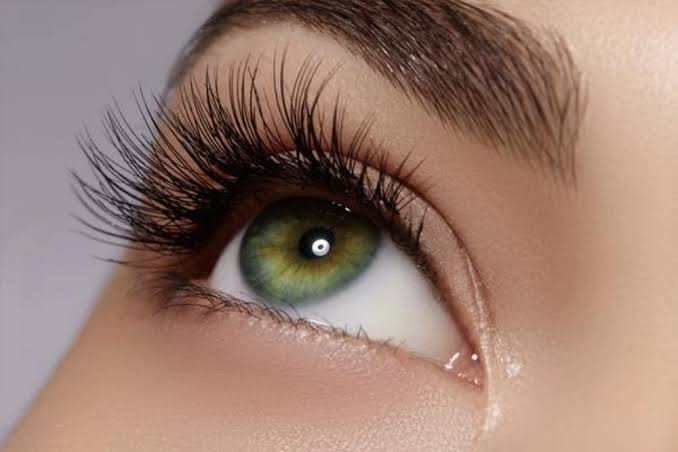
Brow waxing removes hair around the brows to define their shape. Brow shaping goes a step further: the professional considers your eye shape, brow bone, and natural arch to create a balanced frame for your face. If you want a polished look without losing your natural brow structure, ask for brow shaping during your wax appointment.
Upper Lip and Chin Waxing
Upper lip and chin waxing are quick, targeted treatments for common areas of facial hair. They are ideal if you have fine or coarse hair in these spots and want a smooth finish that lasts longer than shaving. The esthetician will apply warm wax in small sections, remove it with a cloth strip, and soothe the area afterward.
Full-Face Waxing
Full-face waxing removes hair from the forehead, cheeks, chin, upper lip, and sideburns in one session. It is a good option if you have noticeable hair across multiple areas and prefer a uniform, smooth result. However, it is not suitable for everyone, especially if you have very sensitive skin or are using certain skincare ingredients like retinol.
How to Choose the Right Waxing Service for Your Skin
Your skin type and sensitivity should guide your choice. If you have sensitive skin or a low pain tolerance, a gentler wax or a smaller area might be better. If you are prone to ingrown hairs, exfoliating gently before your appointment can help. Always tell your esthetician about any skin conditions, allergies, or medications you are using.
Skin Sensitivity and Patch Testing
If you have never had a facial wax before, consider a patch test. A small area, like behind the ear or a tiny spot on the upper lip, is waxed to check for reactions. This is especially important if you have used retinol, acids, or other active ingredients recently, as they can make skin more reactive.
Hair Growth and Timing
For best results, hair should be at least 1/8 inch long, roughly the length of a grain of rice. If your hair is too short, the wax may not grip it properly. Plan your appointment at least a week after shaving or a few weeks after your last wax, depending on your growth rate.
What to Expect During a Facial Waxing Appointment
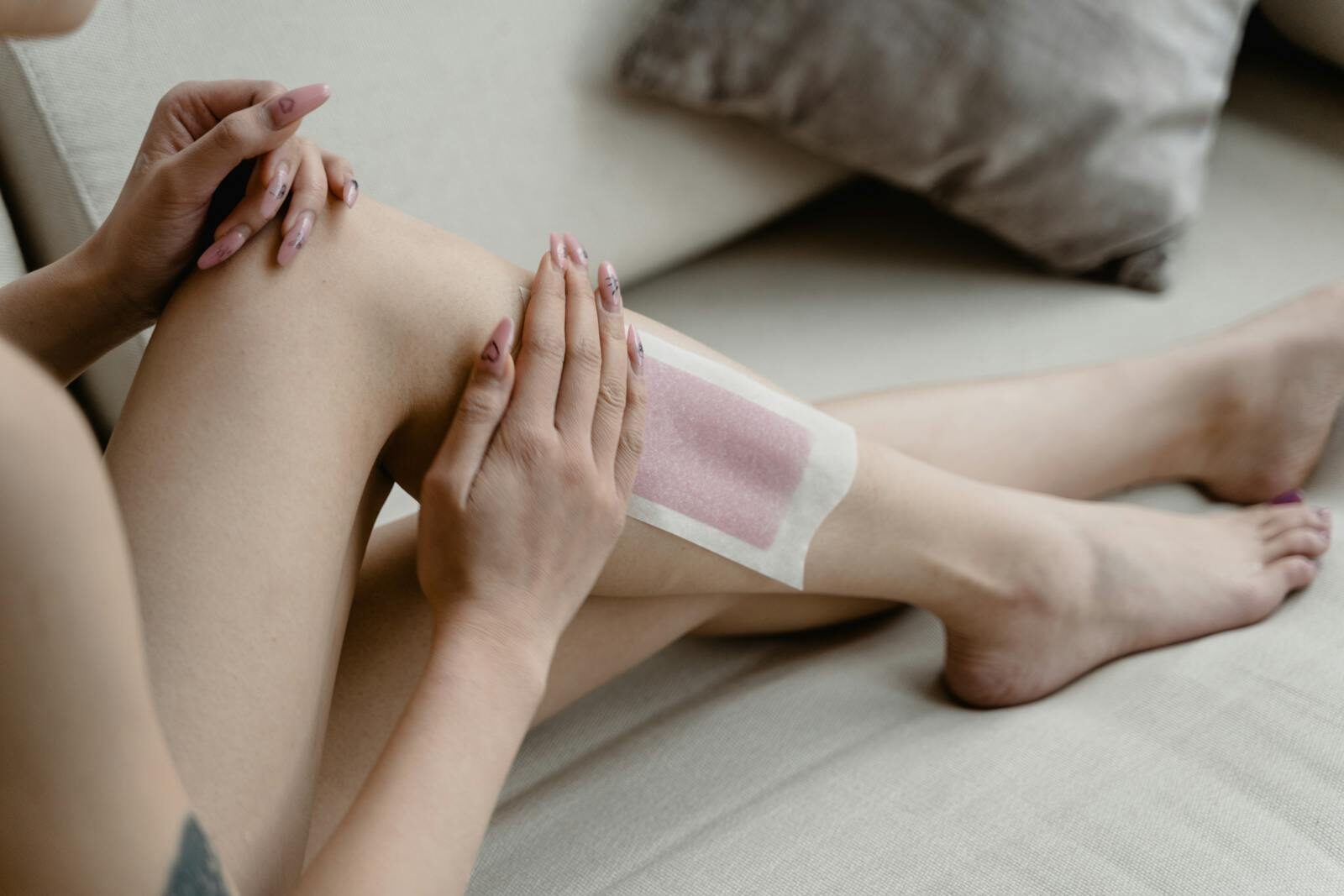
A professional facial waxing session typically takes 15 to 30 minutes, depending on the areas treated. Your esthetician will cleanse the skin, apply a pre-wax oil or powder, and then apply warm wax in the direction of hair growth. The wax is removed quickly against the growth direction, which minimizes discomfort. Afterward, a soothing lotion or aloe is applied to calm the skin.
Pain and Discomfort
Some discomfort is normal, especially on the upper lip and chin. The sensation is brief, and most clients find it manageable. If you are worried, you can take an over-the-counter pain reliever 30 minutes before your appointment, but check with your esthetician first. Avoid caffeine before your visit, as it can make skin more sensitive.
Aftercare for the First 24 Hours
After your wax, avoid touching the area, applying makeup, or using hot water for at least 24 hours. Skip exfoliating, saunas, steam rooms, and direct sun exposure. Use a gentle, fragrance-free moisturizer to keep the skin calm. If you notice redness or bumps, apply a cool compress and avoid picking at the skin.
Common Mistakes to Avoid When Preparing for Facial Waxing
Preparation is key to a smooth experience. Here are common mistakes and how to correct them:
- Skipping the patch test if you have sensitive skin or are new to waxing. A quick test can prevent an allergic reaction.
- Using retinol or acids too close to the appointment. Stop using these at least 3 to 5 days before your wax, as they can thin the skin and increase sensitivity.
- Not growing hair long enough. If hair is too short, the wax may not remove it fully, leading to patchy results.
- Exfoliating immediately before the wax. Exfoliate 24 to 48 hours before, not on the same day, to avoid irritation.
- Applying makeup or heavy creams before the appointment. Clean skin allows the wax to grip better and reduces the risk of infection.
How Often Should You Schedule Facial Waxing?
Facial hair grows in cycles, so results vary. On average, you can expect smooth skin for 2 to 4 weeks. Scheduling every 3 to 4 weeks helps maintain a consistent look and prevents hair from becoming too long or too short for the next wax. If you have a special event, book your wax 2 to 3 days before so any redness can subside.
Signs You Need a Refill or Touch-Up
You may notice new growth after 2 weeks. If you have a big event, a touch-up can target specific areas like the upper lip or brows. However, avoid over-waxing the same area too frequently, as this can irritate the skin and lead to ingrown hairs.
Frequently Asked Questions About Facial Waxing
Does facial waxing cause ingrown hairs?
Ingrown hairs can happen, especially if you do not exfoliate regularly or if hair is coarse. To reduce the risk, gently exfoliate 2 to 3 times a week starting 2 days after your wax, and moisturize daily. If you notice ingrown hairs, use a warm compress and avoid picking.
Can I wax if I use retinol?
Retinol and other exfoliating ingredients can make skin more sensitive and prone to lifting during waxing. Stop using retinol, tretinoin, or strong acids at least 3 to 5 days before your appointment. If you are unsure, ask your esthetician for guidance.
Is facial waxing safe for all skin types?
Facial waxing is generally safe, but it may not be suitable for very sensitive skin, active acne, or certain skin conditions like eczema or rosacea. If you have any concerns, a consultation with a professional can help determine if waxing is right for you.
How long does facial waxing last?
Results typically last 2 to 4 weeks, depending on your hair growth cycle. Regular waxing can lead to finer, sparser regrowth over time, which may extend the time between appointments.
Before your next facial waxing appointment, review your skincare routine and hair growth timeline. If you are in Glen Rock, NJ, and want a professional who takes time to understand your skin, consider booking a consultation at The Estetica. Bring your questions, and your esthetician will help you choose the right service for a smooth, comfortable experience.