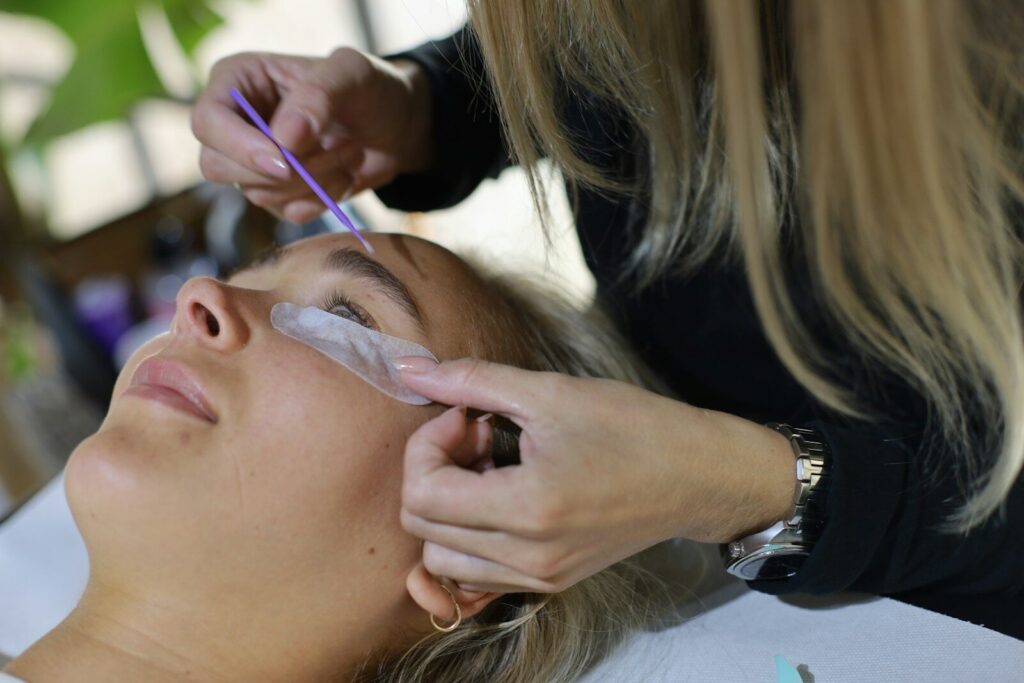
When your brows feel “off,” it is usually not your face. It is one of a few common brow mistakes that throw off balance, including choosing the wrong shape for your eye area, overfilling sparse spots, or using tint and waxing too aggressively. This guide from The Estetica helps you spot the issues that make your features look less even, then choose the right brow service in Glen Rock, NJ and nearby areas, whether you are considering brow tinting, brow lamination, or a precision brow wax.
By the end, you will know what to look for during a brow consultation, what to do at home between appointments, and which adjustments typically create a more polished, natural result without overdoing it.
How brow mistakes change your face balance (even when you “do them right”)
Brows act like a frame. Small shifts in height, arch, thickness, and color can change how your eyes and cheek area read in photos and in real life. The tricky part is that the mistake is often subtle, so it feels like “my face looks different today,” rather than “my brows are the issue.”
Common balance problems you might be seeing
- Uneven lift: One brow looks higher because the arch point is placed differently.
- Heavier top line: Too much fullness near the head of the brow can make eyes look smaller.
- Harsh contrast: Tint that is too dark can pull attention upward and make the face look less soft.
- Droopy outer tail: Overplucking the tail or losing the angle can make the eye area look tired.
1) Choosing a brow shape that does not match your natural structure
Many “bad brow” results come from trying to copy a trend shape instead of working with your natural brow line and facial proportions. Your brow should complement your eye shape and facial balance, not fight it.
What to check before you book (or before you tweeze)
- Brow head placement: If the head is too far in or too high, it can look sharp and unbalanced.
- Arch position: A higher arch can lift the look, but if it is too high for your features, it can read as “surprised.”
- Tail angle: A tail that drops too low can make the face look less lifted.
Save-worthy rule for more natural results
Ask your brow artist to map your brows using your natural hair growth pattern first, then adjust shape lightly. The goal is refined structure, not a full redraw.
2) Overfilling sparse areas (or using the wrong product)
If your brows look uneven, it is common to compensate by applying more product where you have less hair. The problem is that overfilling can create a “block” effect, especially near the arch and tail, which makes the brows look drawn on instead of grown.
How to tell you are overfilling
- Your brows look darker at the center than at the head and tail.
- The line looks too crisp compared to the rest of your brow hair.
- Your brows look heavier in natural light.
Product habits that can make brows look less balanced
- Using a color that is too cool or too dark: This can make the brow area look harsh.
- Applying too much at the top edge: It changes the brow silhouette and can pull the face down.
- Skipping blending: Even a good pencil can look uneven if you do not soften the edges.
3) Brow tinting mistakes that create harsh or uneven color
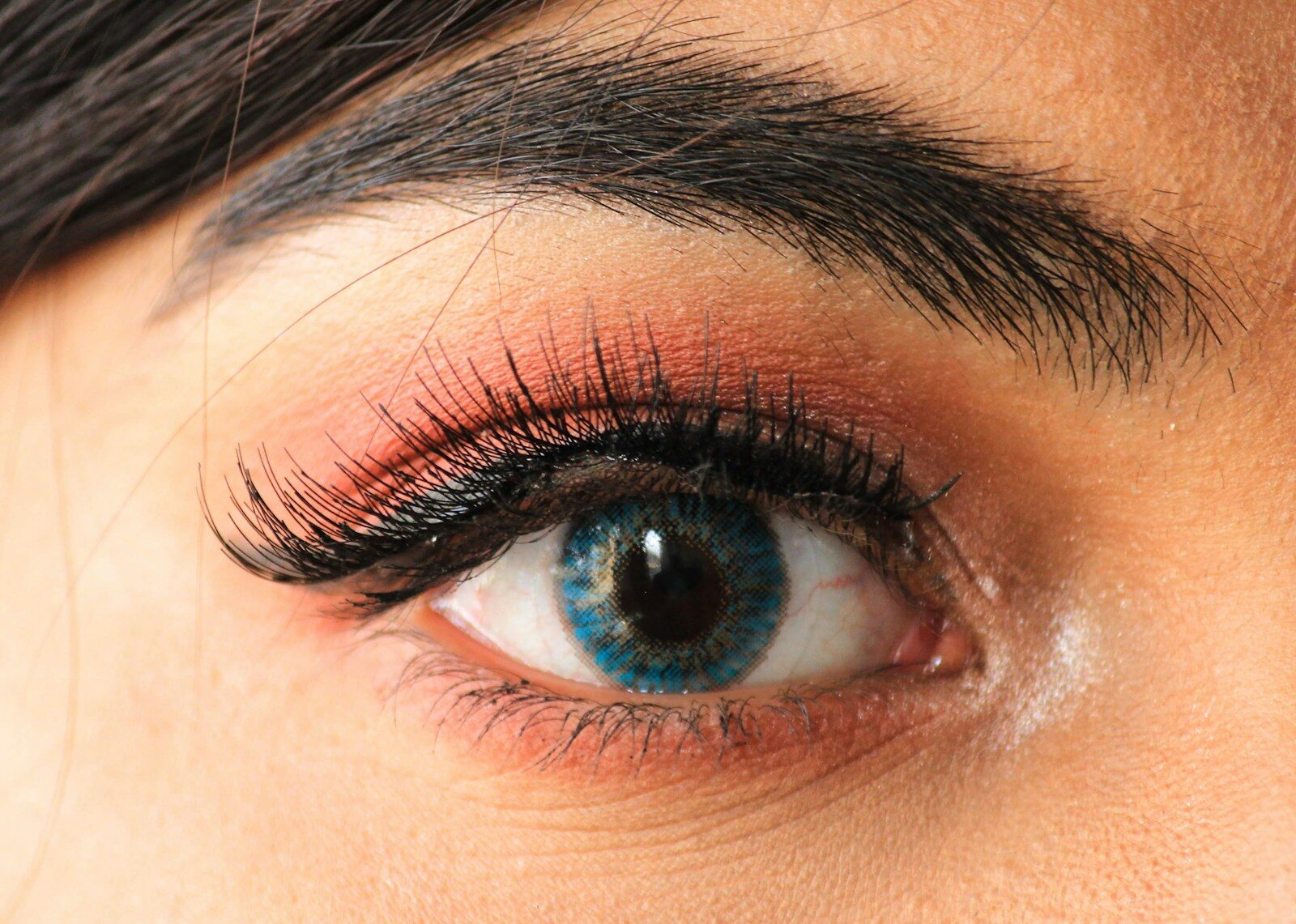
Brow tinting can be a game plan for lighter brows, patchiness, or when you want a low-maintenance look. The risk is choosing a shade that is too dark or processing longer than your hair and skin can handle, which can make your face look less balanced.
What “too dark” tint usually looks like
- Brows appear noticeably darker than your hair color.
- Your brow area looks like it has a strong outline, even without makeup.
- Your features look less soft because the brow contrast is too high.
What to ask in a tint consultation
- Which tint shade will be matched to your natural brow hair and your overall coloring?
- How will the tint be applied to avoid staining skin beyond the intended area?
- What aftercare should you follow to keep color looking even?
At The Estetica, the approach is personalization. If your goal is “soft and polished,” the tint should support that, not overpower your face.
4) Brow lamination expectations that are not aligned with your hair type
Brow lamination can create a cleaner, fuller-looking brow direction by setting the hair. It is ideal when brows grow in different directions or when you want a more uniform shape. The mistake happens when the result is treated like it will look identical to someone else’s brows.
When lamination helps most
- Your brow hairs point in multiple directions.
- You want a neater shape without daily brushing.
- Your brows are naturally fuller but look “messy” due to growth pattern.
When lamination can look off
- Your brow hairs are very sparse and need more density support first.
- You want an ultra-natural look but your brows are set in a direction that is too high or too flat.
- You are expecting dramatic thickening from a process that primarily refines hair direction.
If your brow hairs are sensitive, your consultation should include how your skin and hair typically respond to brow services.
5) Waxing and plucking too aggressively (or too close together)
Over-waxing and frequent plucking can lead to patchiness and uneven regrowth, which makes your brows harder to balance over time. Even if you can “fix it” with makeup for a week, the long-term effect can be frustrating.
Signs you may need to pause and reset
- Gaps that do not fill in evenly after a few weeks.
- Redness or irritation that lingers after hair removal.
- Brow hairs that feel thinner or less consistent.
What to do instead of constant tweaking
- Stop micro-tweezing between appointments.
- Choose a schedule based on how fast your hair grows.
- Book a precision shaping session so adjustments are intentional, not reactive.
6) Ignoring brow symmetry: the “same shape” trap
Most faces are naturally asymmetrical. The mistake is trying to make brows identical instead of aiming for balanced proportions. When you over-correct, you can end up with brows that look “too different” from your natural expression.
Balanced does not mean identical
- One brow may naturally sit slightly higher.
- The arch may be subtly different on each side.
- The tail may have a different density or angle.
During a consultation, your brow artist should evaluate both sides together and then refine the areas that are most visually noticeable.
Quick brow mistake check: what to fix first
If you are not sure where to start, use this simple decision guide. It is designed to help you choose what to adjust now and what to correct with a professional service.
- If your brows look uneven: Consider precision shaping and mapping, not just makeup.
- If your brows look too dark or too harsh: Ask about tint shade adjustment or a lighter tint approach.
- If your brows look messy but full: Brow lamination may help with direction and structure.
- If your brows are patchy: Avoid aggressive removal and focus on a plan for regrowth and gentle refinement.
- If your brows look tired: Check tail angle and avoid removing too much from the outer edge.
Common mistakes with practical corrections (and what to avoid)
Here are the missteps that show up most often, along with what to do instead so your brows look more intentional and balanced.
1) Using tint or makeup that is one shade too dark
Correction: Choose a softer shade that matches your natural brow hair depth. If you are between shades, go lighter for a more natural frame.
2) Picking a brow shape from a photo without considering your eye area
Correction: Bring inspiration photos, but ask your artist to map the shape to your face structure first.
3) Rubbing or exfoliating the brow area too soon after a service
Correction: Follow your brow aftercare instructions closely, since skin sensitivity and tint longevity can vary.
4) Over-tweezing the tail to “clean it up”
Correction: Keep the tail angle intact. Small changes can shift the balance of your entire eye frame.
What a great brow appointment should include
If you want brows that look polished and natural in Glen Rock, NJ, your appointment should feel structured. You should not leave wondering what was changed and why.
Questions to ask during your consultation
- “What shape best supports my eye area and facial balance?”
- “How will you keep the result natural, not overdrawn?”
- “If I want tint, what shade will you choose for my skin and brow hair?”
- “Will lamination help with my growth direction, or do I need shaping first?”
- “What should I avoid for the next 24 to 48 hours?”
What to bring
- One or two inspiration photos (with the general vibe, not a specific brow copy).
- Your current brow routine: pencil, gel, tint, or powder.
- Any sensitivity history, if you know you react to certain products.
Aftercare and maintenance: keep the balance between appointments
Even the best brow shaping and tinting can look less balanced if your aftercare and daily habits work against the result. The goal is simple: protect the skin, keep color even, and avoid unnecessary friction.
A practical aftercare checklist
- Follow your service-specific instructions for the first day or two.
- Skip harsh exfoliation directly on the brow area.
- Be gentle when cleansing around your brows.
- Use a light hand with any brow pencil or gel until your skin settles.
- If you notice unusual irritation, discomfort, or a reaction, contact your provider and seek medical evaluation if needed.
Maintenance habits that keep brows looking intentional
- Brush with purpose: Use a spoolie to soften edges and keep direction consistent.
- Touch up sparingly: Fill only where you truly need it, then blend.
- Avoid frequent micro-tweezing: Let the shape stay stable between visits.
If you are in Glen Rock, NJ or nearby, the easiest way to keep balance is to schedule based on your regrowth and your chosen service, rather than guessing from photos or social trends.
Your next step is straightforward: review your brow routine and identify the first “balance problem” you see (shape, color, direction, or density). Then book a consultation with The Estetica and bring one inspiration photo plus your questions about tint shade, lamination direction, and precision shaping for your natural eye frame.