
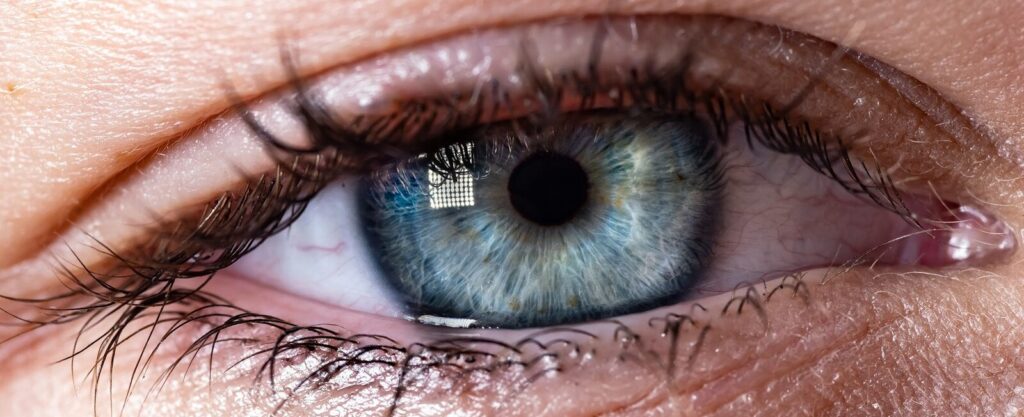
Can you get a lash lift while pregnant? This is a question we hear often from clients who love the lift’s natural curl but want to prioritize safety for themselves and their baby. A lash lift uses chemical solutions to break and reshape the natural lash bonds so they curl upward for weeks. Because pregnancy can influence sensitivity, hormones, and tolerance to eye-area treatments, many clients choose to pause or adjust their plans. Understanding how a lash lift works, what changes during pregnancy, and what alternatives exist can help you decide with confidence.
At Estetica, we approach this with careful assessment, transparent communication, and a commitment to your comfort. The guidance you receive may depend on your health, the exact product formulation your technician uses, and how your body responds to eye-area procedures during pregnancy. This article outlines the essential considerations, questions to ask your lash artist, and practical options if you choose to wait. By the end, you should know whether a lash lift is right for you now, how to adapt your care, and when postponement may be the wiser choice. Always consult your obstetrician and your lash professional before proceeding.
Safety basics and how pregnancy can affect cosmetic eye procedures
What a lash lift involves
A lash lift is a chemical service designed to curl your natural lashes upward so they appear longer and more lifted without extensions. The typical process includes a thorough cleanse, application of a lifting solution to soften the lash bonds, a setting solution to establish the curl, and a neutralizer to lock in the new shape. A shield or rod is placed against the lids to guide the curl, and a finishing step helps protect the lashes. The exact formulations can vary between studios, and some products emphasize lower-odor or formaldehyde-free options. Because the process places solutions near the eye area, the technician monitors comfort closely and may adjust timing or product choices based on your response. Results are not guaranteed to be identical for everyone; they depend on your natural lash health, curl type, and how your lashes shed over time.
Pregnancy-related considerations

During pregnancy, many clients notice changes in eye comfort, tear production, and eyelid sensitivity. Hormonal fluctuations can alter how the eye area responds to products, adhesives, and fumes in the salon environment. Some people experience more irritation, dryness, or a heightened reaction to eye-area procedures, especially if they already wear contact lenses or have sensitive skin. Because of these potential changes, patch testing and clear communication about any symptoms are especially important. It is reasonable to prioritize a conservative approach by choosing gentler formulations and minimizing the duration of contact with active solutions. If you have ever had a reaction to cosmetics near the eyes, share that history with both your obstetrician and your lash professional so they can plan accordingly.
Safety-first concerns during pregnancy often come from combining medical guidance with professional cosmetic oversight. If either your OB or your lash artist expresses concern, postponing the service may be the most prudent choice.
Why studios may differ in guidance
Across studios, guidance varies. Some technicians may proceed with heightened precautions, emphasizing patch testing, good ventilation, and careful monitoring of comfort. Others may recommend waiting until after pregnancy to avoid chemical exposure near the eyes. This variation is not a judgment on you or your body; it reflects differences in product formulations, salon policies, and individual risk assessment. The most reliable path is an open conversation among you, your OB, and a trusted lash professional who understands your medical history, eye health, and daily life.
Timing, health, and OB/medical considerations
Trimester timing and risks
There is no universal rule that applies to every pregnancy. Many clients and practitioners prefer to schedule around comfort and medical advice rather than follow a strict trimester guideline. Some people feel more eye sensitivity during the first trimester, while others notice changes as the pregnancy progresses. If you are considering a lash lift, it is reasonable to discuss timing with your OB and your lash artist. The core idea is to align the treatment with a period of relative comfort and lower risk, if you choose to proceed.
Eye health and pregnancy conditions
Healthy eyes and healthy skin around the eyes support safer outcomes for any cosmetic procedure. Pregnancy can bring dryness, a gritty sensation, or redness for some people, which may increase sensitivity to adhesives or solutions. If you have a current eye infection, active dermatitis, or a history of allergic reactions to lash products, these factors should be addressed before booking. Also, if you wear contact lenses, plan around lens removal during the appointment and follow any aftercare instructions from your technician. A frank check-in about eye health with your healthcare provider helps ensure you are making a decision that protects your vision and comfort.
Patch testing and product ingredients
A patch test is a practical step to gauge sensitivity to the adhesives and solutions used in a lash lift. If a patch test is recommended, allow enough time for a reaction window and discuss any signs of irritation with your technician immediately. While many products aim for gentler formulations, ingredients can vary, and pregnancy can influence how your skin or eyes respond. Understanding the exact ingredients your technician will use, and confirming any formaldehyde-free or low-odor options, supports a more informed choice.
Deciding whether to proceed: questions to ask
Is your lash health robust enough to withstand a lift?
Healthy, well-maintained lashes generally respond better to any chemical service. If you have noticed brittle lashes, frequent breakage, or slow growth, your lash artist may advise postponing until after pregnancy or adjusting expectations about results and retention.
How will the service be adapted for pregnancy?
Ask about ventilation, the room’s air quality, and any steps taken to minimize fumes. Ask whether the technician can use a patch test, a gentler formulation, or a shorter processing time. Some technicians may offer a slightly adjusted protocol to improve comfort while still delivering a lift, but you should expect candid guidance about what is realistically achievable during pregnancy.
What happens if there’s irritation during the appointment?
Discuss a clear plan for stopping the service if you feel uncomfortable, along with immediate aftercare steps if you experience redness, burning, or excessive tearing. Knowing how the salon would handle a reaction, whether by offering a cooling compress, adjusting products, or rescheduling, helps you weigh the risk against the potential benefit.
Clear communication with your OB and lash professional is essential. If either party raises a concern, revisiting the decision or choosing a non-chemical alternative may be the wiser option.
How do the lifestyle and maintenance expectations change?
Lash lifts do not require mascara, but aftercare is still important. Ask about expected maintenance timelines, how a lift might affect your daily routine, and whether you will need to adjust your cleansing or eye makeup removal habits. Being honest about your schedule helps your technician tailor a plan that minimizes risk and maximizes comfort.
Alternatives and safer options during pregnancy
Lash extensions with careful choices
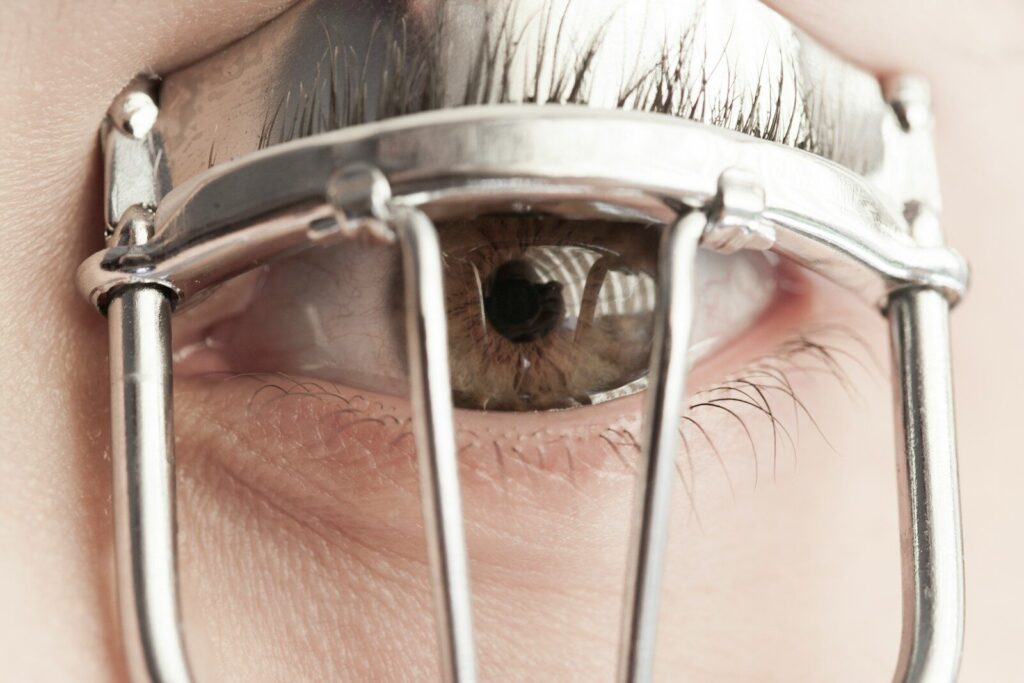
If you are uncertain about a lash lift, a classic alternative is lash extensions. During pregnancy, many clients still choose extensions by focusing on safer adhesive choices, proper ventilation, and meticulous aftercare. One key benefit is avoiding the chemical rearrangement near the eye that a lift requires. Work with a technician who understands lash health, uses high-quality medical-grade adhesives, and tailors the curl and length to suit your eye shape and lifestyle. The result can provide similar enhancement without the chemical exposure of a lift, but it still requires ongoing maintenance every 2–4 weeks and careful aftercare to protect natural lashes.
Tinting considerations
Lash tinting involves dye near the eye area, which some studios limit during pregnancy because of heightened sensitivity or personal comfort preferences. If tinting is offered, discuss the formula and patch testing with your technician, and consider postponing if you or your OB prefer to avoid dye exposure near the eyes. If you choose tinting, plan carefully around any skin or eye sensitivity you have experienced in recent weeks.
Non-chemical lash care at home
Between appointments, there are steps you can take to keep lashes looking their best without chemical services. Gentle cleansing to remove makeup and oils, avoiding oil-based cleansers near the lash line, and using a fragrance-free, hypoallergenic eyelash conditioner can help maintain lash health. Sleeping on your back or side and using clean pillowcases may also reduce lash rubbing and friction, supporting better retention when you resume services later in pregnancy.
Alternatives can offer aesthetic results with a different risk profile. Your lash artist or OB can help you weigh the trade-offs between a lift, extensions, or a non-chemical focus on lash health.
Pre-appointment checklist (preparation before booking)
- Confirm your pregnancy status and trimester with both your obstetrician and your lash artist.
- Get explicit guidance from your OB about cosmetic eye procedures during pregnancy and whether postponement is advisable for you.
- Make sure there is no active eye infection, dermatitis, or irritation that would contraindicate a lash service.
- Share any known allergies to adhesives, solutions, or eye-care products with your technician.
- Request a patch test for adhesives and solutions, and confirm the exact ingredients planned for use.
- Discuss formulation options, such as gentler or low-odor alternatives, and confirm what will be applied near the eye area.
- Plan the appointment around comfort: bring any needed eyewear adjustments, and arrange for minimal stress and a calm environment.
Practical care and aftercare guidance
If you decide to move forward with a lash lift, your post-treatment routine remains important. Expect careful cleansing, avoid rubbing or pulling on the lashes, and follow the technician’s guidance on mascara use and waterproof products. Some clients find that flexible schedules and gentler routines during pregnancy help with overall comfort and retention, even if the lift is completed successfully. Your lash health and long-term results depend on consistent aftercare, a healthy lash cycle, and careful attention to how your eyes respond to products during pregnancy.
If you choose to explore alternatives, make sure the plan aligns with your energy levels, safety concerns, and the timing of your baby’s arrival. Your comfort and confidence matter most, and there is no one-size-fits-all answer when pregnancy is involved. A thoughtful conversation with your OB and your lash professional will often clarify the best path, whether that means proceeding with heightened precautions, delaying, or selecting an alternative approach that preserves your look without compromising safety.
The practical next step is to have an open, two-way conversation with both your obstetrician and your trusted lash artist. That dialogue will help you decide whether a lash lift fits your current needs or whether an alternative path, such as carefully selected lash extensions or enhanced lash care, better suits your pregnancy journey. The right choice today supports your comfort, your vision of beauty, and your well-being tomorrow. If you would like to discuss your options with a specialist who understands lash artistry and prenatal considerations, consider booking a consultation at Estetica to tailor a plan around your pregnancy timeline and lifestyle.