
<p Can you get a lash lift if your lashes are short or straight? That question comes up a lot with clients who want a lift without adding length or volume via extensions. A lash lift sounds straightforward: curl the lashes upward to create a natural-looking lift that stays through multiple weeks. But real-world results depend on the health of your natural lashes, their growth phase, and how they respond to the chemical solution and the wand or rod used during the service. In this article, you’ll learn how lifts work on short or straight lashes, what you can expect, and practical steps to decide if a lift, an alternative, or a tailored approach best fits your lifestyle and goals. By the end, you’ll feel clearer about whether a lash lift is worth pursuing for your unique lash type and how to prepare for the best possible result.
<p If you’ve previously been told that lifts aren’t ideal for short or straight lashes, this piece will outline why that isn’t a universal truth, and what to discuss with a skilled lash artist in the Glen Rock or greater NYC area. We’ll cover how to set expectations, what preparations help, and how to identify early signs that a lift may not be the right option for you at this moment. The aim is honest guidance rooted in real-world experience: not every lash responds the same way, and that’s normal. You’ll leave with a clear plan for assessing your lash health, choosing between options, and scheduling a consult with a trusted pro who can tailor the treatment to your eye shape and daily routine.
Is a lash lift right for you when your lashes are short or straight?
How a lash lift works and why it matters for short or straight lashes
A lash lift uses a gentle chemical processing sequence to reshape the natural lash at the root and create a curl that lasts through the lash’s growth cycle. The artist uses a silicone rod or wand to cradle each lash and lift it upward, followed by setting solutions that help hold the new curvature. For lashes that point straight down or that aren’t long, the lift can still create a visible bend, but the degree of curl and the perception of length depend on how well the lash holds the bend and how healthy the lash is overall. The key is that the lift relies on existing lash structure. If the lash has a healthy shaft and a usable root angle, you may see a meaningful improvement even without added length.
What counts as “short” or “straight” in lash terms
Short versus long is relative to your eye size, lash density, and how your lashes sit when you’re at rest. A “short” lash might still be long enough to wrap around a lift rod, while others with very sparse lash lines may see a subtler lift. “Straight” refers to the lash’s natural direction when at rest—lashes that point downward or outward without a curl can respond differently than those with a natural upward curve. In practice, the most successful lifts for short or straight lashes tend to come from a precise mapping of the lash line, gentle handling of each lash, and realistic expectations about how much curl can be achieved without stressing the lash.
“Lifts can improve curl even when lashes are short, but the result is highly dependent on lash health and how the lash grows.”
Why straight or short lashes may respond differently
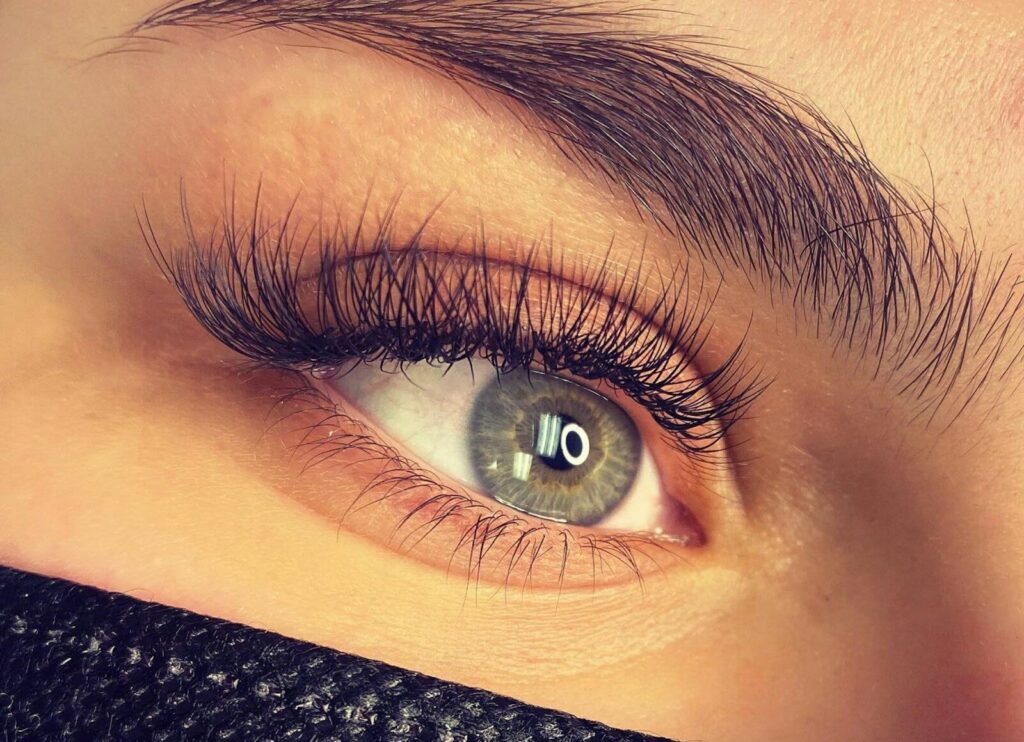
Several factors influence outcomes for straight or short lashes. The health of the lash shaft matters; damaged or brittle lashes may not hold a curl as well. The stage of the lash growth cycle can affect lift—lashes in the anagen (growing) phase tend to respond more reliably than those in telogen (resting) phases. The lash’s diameter and taper also play a role: very fine lashes can curl easily with a lift but may appear less dramatic than thicker lashes. Finally, eye shape and how you open your eyes during a day can influence perceived lift. A skilled lash artist will tailor the approach—rod size, application angle, and timing—to your lash profile to maximize lift while preserving lash health.
“A tailored approach, not a one-size-fits-all method, is what makes a lift work well on short or straight lashes.”
What to expect: results, limitations, and safety
Expected outcomes for short or straight lashes
For many clients with short or straight lashes, a lash lift can create a noticeable upward bend, making the eyes appear more awake. The most visible impact is at the base of the lash line, where the curl lifts the lashes away from the eye. However, the overall effect may be subtler than with naturally longer or more curved lashes. It’s common to experience a refined, more lifted appearance rather than a dramatic transformation. If your lashes are very short, your artist may set expectations around the degree of curl and the visual enhancement you’ll see, and they may suggest additional options to complement the lift if you want more impact.
Limitations and when it might not be the best fit
If you have fragile, sparse, or damaged lashes, or if your lashes are extremely short, a lift may not deliver the curl you expect. In some cases, clients opt for an alternative that provides a different kind of enhancement, such as carefully chosen lash extensions or a lash lift with a tint for a slightly darker look. It’s also important to understand that results are not permanent and will gradually fade as your natural lashes shed and regrow. A consult helps determine whether a lift will meet your goals given your current lash health, routine, and lifestyle.
Safety considerations and when to pause
Eye safety and skin sensitivity are important. If you have any irritation, recent eye surgery, or skin conditions around the eyes, a professional should assess whether a lift is appropriate. Even with a skilled artist, improper application or sensitivity to adhesives or solutions can cause irritation. If you notice persistent redness, itching, or watering after a previous service, pause lifts and seek guidance from a licensed professional. For readers seeking reputable guidance, both ophthalmology and dermatology associations emphasize safety and professional oversight for eye-area treatments. American Academy of Ophthalmology and American Academy of Dermatology offer general safety resources that are helpful when considering eye-area treatments.
Preparation and aftercare to maximize lift
- Patch test and professional consultation: If you’re new to lash lifts or trying a new technician, a patch test and a thorough consultation help ensure you’re a good candidate and support a customized approach.
- Avoid oil-based products around the eyes for 24 to 48 hours before the appointment: Oils can affect the adhesion and the processing solutions, so cleanse with a gentle, water-based cleanser and avoid heavy moisturizers in the eye area prior to the service.
- Skip eye makeup and mascara on the day of treatment: A clean slate helps ensure precise curl formation and reduces the risk of residue interfering with the lift. If you must wear makeup, choose oil-free products and remove thoroughly before the appointment.
- Avoid mechanical lash curling and harsh rubbing pre-appointment: Curlers can pre-bend lashes in a way that makes lift results inconsistent. Gentle handling keeps lashes in their natural state for the artist to work with.
- Plan for post-treatment aftercare: For the first 24 to 48 hours, keep lashes dry and avoid steam, swimming, or rubbing the eye area to protect the new curl.
- Be realistic about aftercare and lifestyle: If you wear waterproof mascara often or rely on heavy eye makeup, discuss compatible routines with your lash artist to preserve the lift as long as possible.
- Follow your technician’s aftercare guidelines closely: Use gentle cleansers, avoid oil-based removers near the lashes, and contact your pro if you notice any unusual irritation or lash shedding.
Deciding with your lash artist: questions to ask and signs to watch
Questions to ask during a consultation
Ask about the lash’s health and your lash growth cycle, how the lift will be tailored to your eye shape, and what the expected curl will look like given your lash length. Inquire about rod size options, processing times, and whether a tint can be added for a more defined look. Clarify maintenance intervals, and what to expect in terms of retention based on your daily routine and sleeping position.
Signs that the timing isn’t right for a lift (and alternatives to consider)
If you notice frequent lash breakage, thinning, or a history of adverse reactions to adhesives, discuss alternatives. For some, a lash lift may be better paired with a patch-test-filled trial period, a temporary brow or lash shaping plan, or, when suitable, exchanging to carefully chosen lash extensions for added length and shape with proper separation. Your lash artist can help you weigh options that align with your goals and lash health.
“The best outcomes come from a candid pre-treatment discussion about lash health, lifestyle, and expectations.”
“If the lash health isn’t ready for a lift, there are often complementary routes (like extensions or conditioning) that protect your natural lashes while still giving you a refreshed look.”
Closing thoughts: making the practical decision for your lashes
For clients with short or straight lashes, the decision to pursue a lash lift should hinge on lash health, realistic expectations, and your daily rhythm. A lift may offer a low-maintenance enhancement that opens up the eye with a lift that lasts several weeks, but it’s essential to partner with a professional who can tailor the approach to your natural lash line and eye shape. If you’re in the Glen Rock or greater New Jersey area and want a measured, personalized plan, scheduling a consult with a trusted lash artist at Estetica can help you determine whether a lift, an alternative, or a combination approach best fits your lashes and lifestyle. Your path to a confident, well-kept lash line starts with a thoughtful conversation and a clear plan tailored to your unique eye structure and routine.