Most women book their first lash extension appointment because of a photo, then get surprised by the second and third invoice. If you are planning a first lash extension appointment in Glen Rock, NJ, the number to plan around is not the price of one set. It is the set plus fills plus aftercare plus the time you will spend keeping the lashes clean. This guide breaks that total into parts you can actually plan for, and it helps you choose between lash extensions in Glen Rock, a lash lift and tint, or a lighter first set so the monthly cost matches your routine.
What actually drives the price of a full set
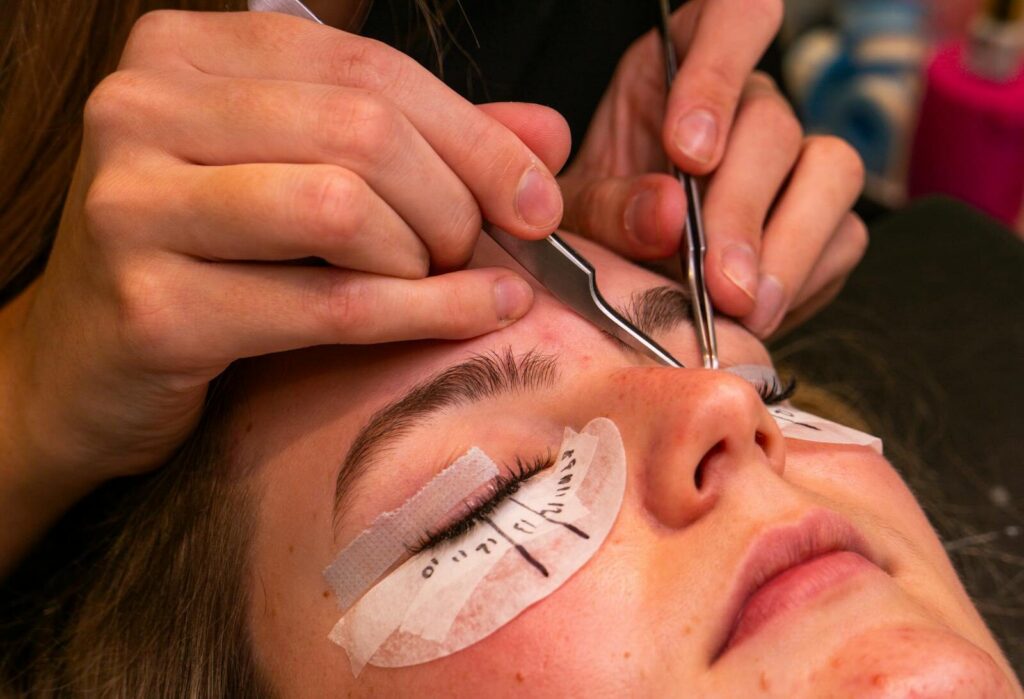
Four things move the price: technique, artist time, studio location and how much customization the set requires. A classic set places one extension on each natural lash. Hybrid mixes classic lashes with light fans for texture. Volume uses fine fans on each lash for density, and mega volume pushes further. Each step up takes longer and demands more precision, which is why the price climbs.
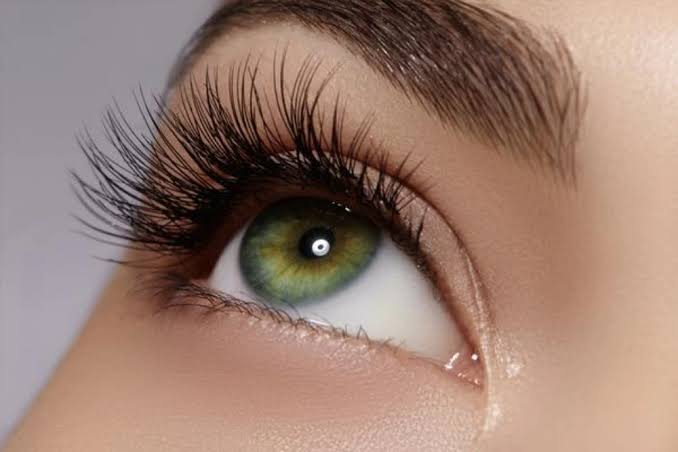
Artist skill is the part people underestimate. Proper isolation, correct weight for your natural lash and a curl chosen for your eye shape are what keep a set looking clean and lasting well. At The Estetica, every set is designed around your eye shape and natural lash health, so pricing reflects that personalization rather than a fixed menu look.
How lash extensions change your morning routine
There is a real time savings to factor in. Most clients drop mascara, a curler and eye makeup, which can free up 10 to 15 minutes each morning. The trade is a couple of minutes at night for gentle cleansing with an oil-free lash cleanser. If your mornings are a rush before work or school drop-off, that swap often feels worth more than the cost of a fill.
How often you really need fills
Extensions shed with your natural lash cycle, so a fill every 2 to 3 weeks keeps a set looking full. Stretch past three weeks and you will see gaps, and past four weeks you may be paying for a new full set instead of a fill.
- Every 2 weeks: the most consistent look, useful before events or busy seasons.
- Every 3 weeks: realistic for most clients, with some natural shedding visible by week three.
- Every 4 weeks or longer: usually means a full set rather than a fill, which costs more.
As a planning rule, a fill typically runs about half the price of a full set, so two fills a month is the recurring line item to budget. Ask whether the studio offers fill packages, since those can lower the per-visit cost.
What to avoid during the first 24 hours
Adhesive needs time to cure. Skip water, steam, heavy sweat and oil-based products near the eyes for the first day. That means no sauna, no hot yoga and no tearful movies right after your appointment. After 24 hours you can return to normal activity, but keep cleansers and makeup removers oil-free to protect the bond.
Classic, hybrid or volume: matching style to budget
Start with the look you actually want, then work backward to cost and maintenance. A lighter set is easier to maintain and usually cheaper to fill.
StyleLookMaintenanceRelative costClassicNatural, definedLowestLowerHybridSoft glam, texturedModerateMediumVolumeFull, polishedHigherHigherMega volumeBold, dramaticHighestHighest
If you are new to extensions, classic or hybrid is often the smarter first booking. You learn how the set feels, how your natural lashes respond and how your routine adjusts, and you can add density at a later fill. Save volume for when you know you love the upkeep.
Why eye shape matters before you pick a style
The same set can look completely different on two people. Almond eyes carry most lengths and curls well. Hooded eyes often benefit from a more open curl so the lashes do not read heavy. Downturned eyes can be lifted with a curl and length map that draws the outer corner upward. This is why copying a photo without professional input is risky: the artist maps length, curl and density to your features, and that mapping is part of what you are paying for.
Budgeting for aftercare products
Aftercare is a small line item with an outsized effect on retention. A basic kit includes:
- An oil-free lash cleanser to keep the lash line clean without breaking down adhesive.
- A soft spoolie to brush lashes into place each morning.
- A silk or satin pillowcase to reduce friction and tugging overnight.
These products cost little upfront and help you avoid extra fills, which is where the real savings show up. Many studios, The Estetica included, recommend specific products that work with the adhesive they use, so ask before buying elsewhere.
Signs your lashes may need a break
Continuous sets are fine for many clients, but not forever for everyone. Increased shedding, thinning along the lash line or lingering discomfort are signals to pause. A professional can plan a transition, such as a lighter set or a lash lift, while your natural lashes recover.
How to plan your first appointment
A little prep makes the visit smoother and the budget clearer.
- Book a consultation. Discuss your goals, eye shape and natural lash health, and ask about pricing, fill intervals and aftercare.
- Bring two or three inspiration photos. Show the look you like, then stay open to adjustments for your features.
- Block enough time. A first appointment often runs 1.5 to 2 hours. Do not schedule a workout or shower immediately after.
- Set your fill reminder before you leave. Booking the next visit on the spot keeps the set full and avoids a full-set reset.
Common mistakes that inflate your lash budget
- Oil-based products near the lash line. They weaken the adhesive and shorten retention.
- Waiting too long between fills. You end up paying full-set pricing instead of fill pricing.
- Rubbing or picking at lashes. This loosens extensions and can pull natural lashes.
- Skipping cleansing. Buildup affects retention and can cause irritation.
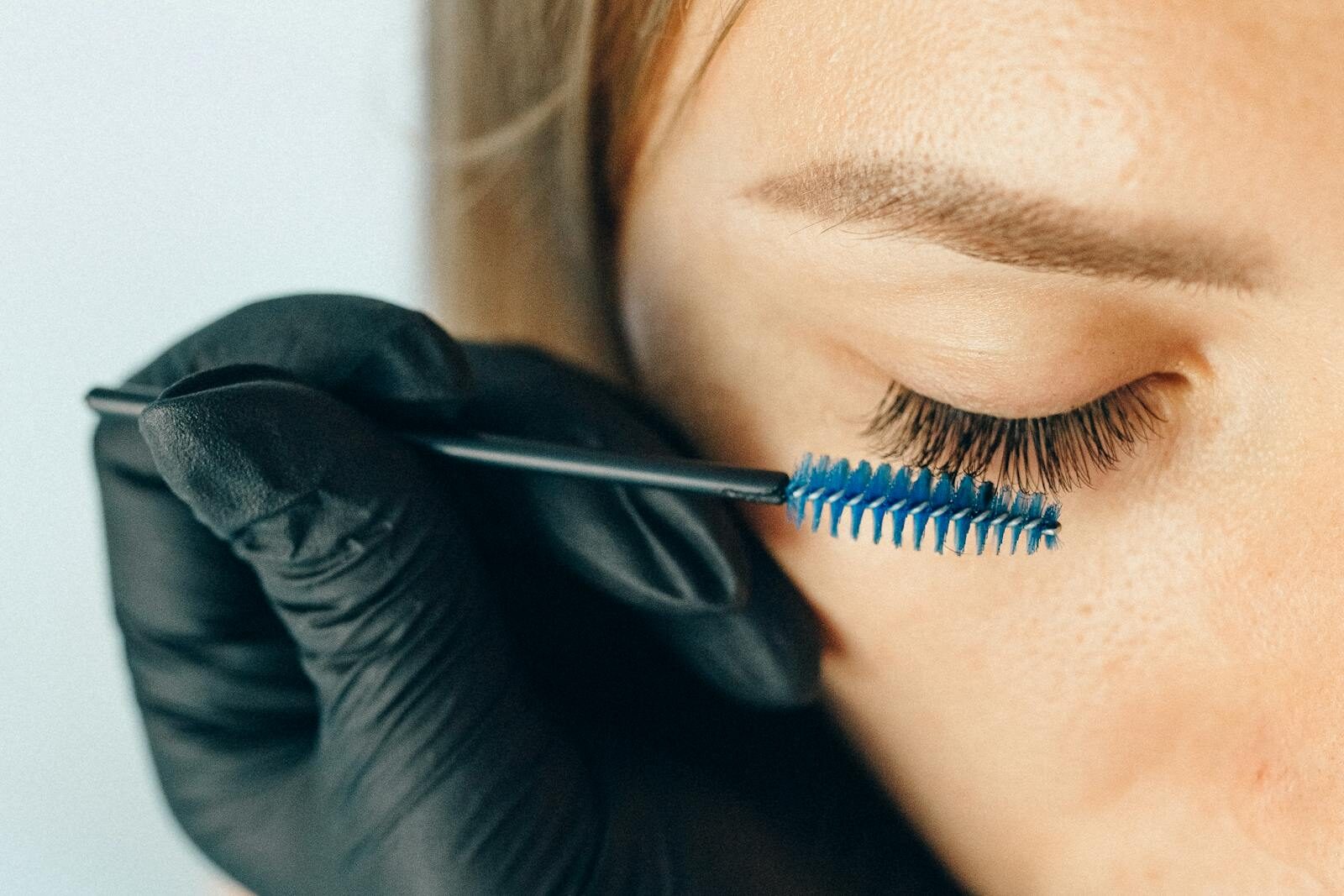
Fix these early and your monthly cost settles into something predictable.
Frequently asked questions
How much do lash extensions cost in Glen Rock, NJ?
Pricing varies by studio, style and the artist’s time. Classic sets generally sit at the lower end, with volume and mega volume above them, and fills usually cost about half a full set. The Estetica quotes pricing based on your chosen style and natural lash health, so a consultation is the most accurate way to plan.
How long does a full set last?
A set follows your natural lash cycle, which runs roughly 6 to 8 weeks, but it looks its best with fills every 2 to 3 weeks. With consistent aftercare and on-time fills, most clients maintain a polished look for months.
Can I wear mascara with lash extensions?
It is not recommended. Mascara clumps and usually requires oil-based remover, which breaks down the adhesive. If you want more definition, ask about a hybrid or volume set instead.
Will lash extensions damage my natural lashes?
Extensions applied with proper isolation and appropriate weight, paired with good aftercare, are designed to protect natural lash health. Results still depend on the application, your lash condition and how you care for the set. If you notice unusual shedding, irritation or discomfort, talk to your lash artist and seek medical evaluation if it persists.
Map your budget around the set, two fills a month and a small aftercare kit, then pick the style that fits your routine rather than the boldest photo in your saved folder. If you want help choosing between classic, hybrid and volume for your eye shape, book a consultation at The Estetica in Glen Rock, NJ, and bring your inspiration photos along.