
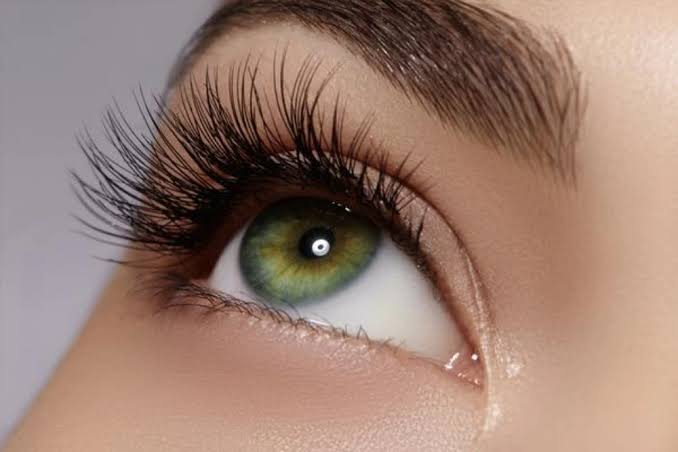
Choosing a brow shaping service in Glen Rock, NJ, comes down to three things: how much maintenance you can realistically keep up with, how sensitive your skin is right now, and what you want your brows to do for your face. The mistake most clients make is booking the service that photographs best instead of the one that fits their growth pattern and routine. This guide helps you match lamination, tinting, waxing, or threading to your actual life, then adjust the plan as your skin and schedule change.
If you are still deciding between a lift and extensions for your lashes, the same logic applies, and our lash lift vs lash extensions comparison walks through it step by step. For brows, start with the service that solves your biggest concern first, then layer in the rest.
What brow shaping actually changes
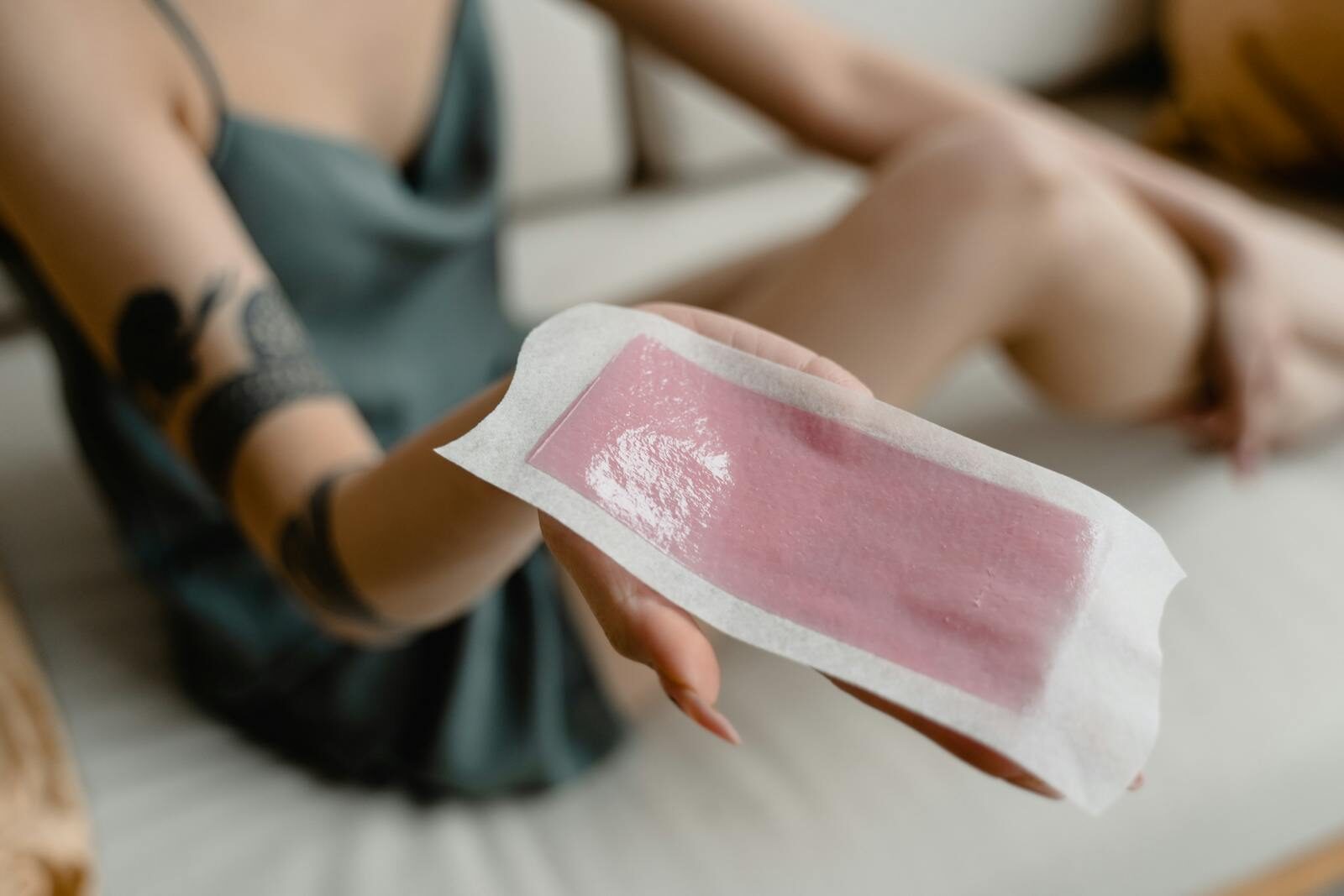
Brow shaping defines and structures your natural brows so they frame your features. It is not about copying a trend; it is about working with your arch, density, and growth pattern to create balance. At The Estetica, every brow shape is mapped to your facial proportions rather than a template, which lowers the risk of over-tweezing, uneven arches, or a harsh finish.
Why your brow plan needs adjusting over time
Your brows change with the season, your skincare, and your age. A plan that worked six months ago may not suit you now.
- If you started using retinol or exfoliating acids, your skin may be more sensitive, which changes how waxing feels.
- If you have spent more time outdoors, your brow hairs may be lighter or more brittle, which affects how tinting adheres.
- If you changed your hair color or makeup style, your brow shape and tone may need to shift with it.
Reassessing your goals, your maintenance tolerance, and your skin’s current condition before every appointment is the whole adjustment process. It is an ongoing conversation with your brow artist, not a one-time decision.
Comparing brow lamination, tinting, waxing, and threading
Each service solves a different problem. Lamination controls direction and fullness, tinting adds color, and waxing or threading removes hair to define shape. Knowing which concern you want to solve first keeps you from booking the wrong appointment.
ServiceBest forMaintenanceDowntimeDiscomfort Brow laminationUnruly, sparse, or downward-growing hairsEvery 4 to 6 weeksNone, but avoid water and steam for 24 hoursMild tingling during the setting step Brow tintingLight, thin, or patchy browsEvery 3 to 4 weeksNone, but avoid water and makeup for 24 hoursMinimal; a patch test is advised WaxingDefining shape and removing stray hairsEvery 2 to 4 weeksMinor redness for a few hoursQuick sting at the pull ThreadingPrecise shaping, especially for sensitive skinEvery 2 to 4 weeksMinor redness, usually fades within a few hoursLight plucking sensation
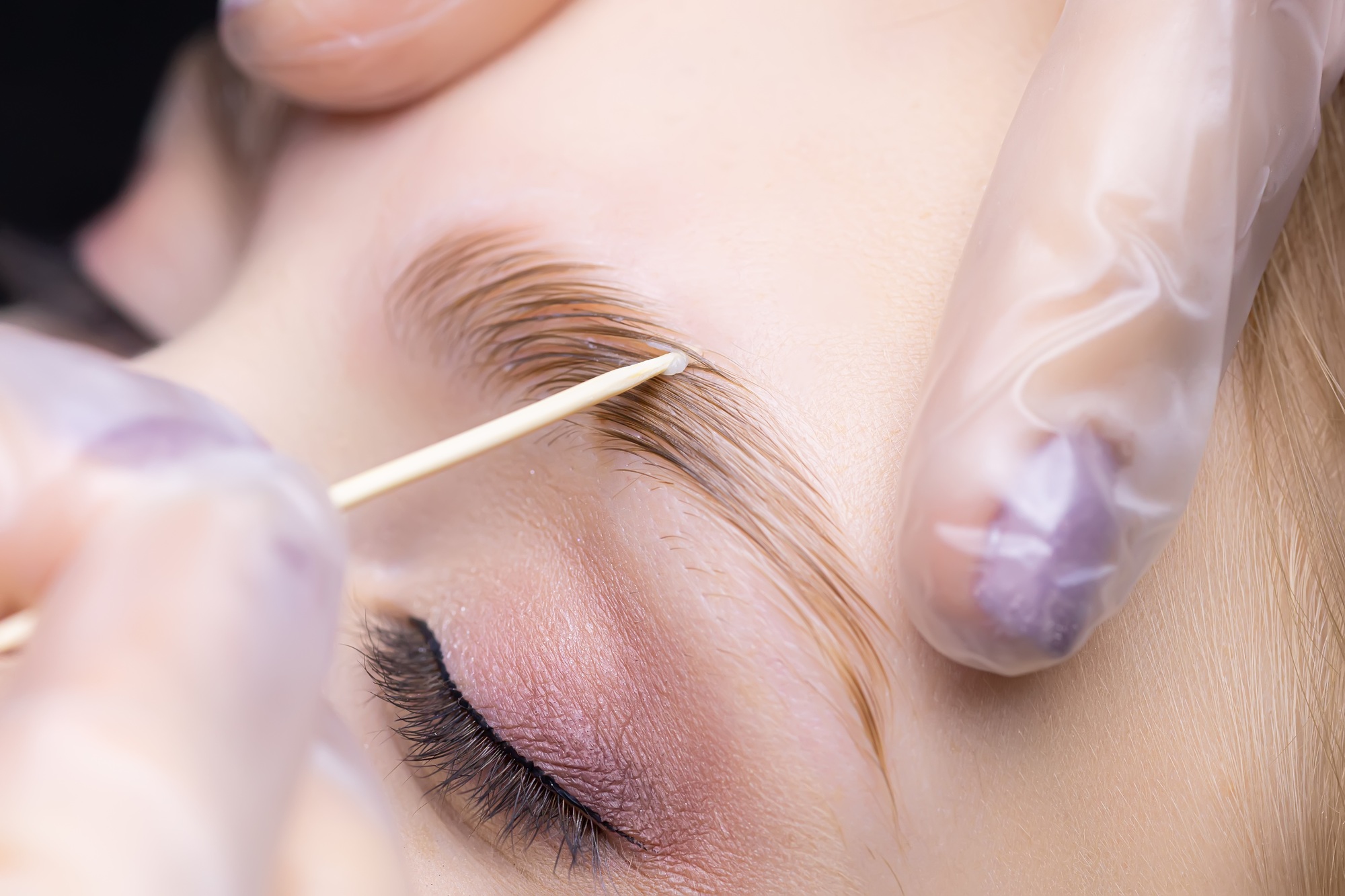
Lamination and tinting are often confused, but they do different jobs. Lamination sets hairs in a uniform direction so they look fuller and smoother. Tinting adds color, which matters most if your brows are light or have gray hairs. Many clients combine both, but starting with one and adjusting later is a reasonable path.
When lamination makes more sense than tinting
If your brows are naturally dark but unruly, lamination alone can give you a brushed-up, polished look without adding color. If your brows are sparse and light, tinting may be the better first step because it adds depth and definition. For the most natural result, your artist may suggest lamination first to set the shape, then tinting to deepen the color.
When waxing or threading is the right choice
Waxing removes several hairs at once and is efficient for keeping a clean shape. Threading is more precise and gentler on sensitive skin because it does not pull the skin surface. If you have been breaking out or using retinol, threading may be safer than waxing, since wax can lift the top layer of skin.
How to adjust your brow care routine around the service
Your before and after care can make or break your results. The steps you take at home matter as much as the service itself.
Before your appointment
- Stop retinol, glycolic acid, and other exfoliants on the brow area for at least 48 hours before waxing or lamination.
- Skip caffeine and alcohol the day of your appointment, since both can make skin more sensitive.
- Arrive with a clean face, free of makeup and skincare products.
- Ask for a patch test at least 24 hours ahead if you are trying tinting or lamination for the first time.
What to avoid during the first 24 hours
- Do not touch, rub, or wet your brows after lamination or tinting.
- Skip steam, saunas, and intense workouts for 24 to 48 hours.
- Leave makeup off the brow area for the first day.
- Use a gentle, oil-free cleanser around your brows so you do not break down the lamination or tint.
- Apply a nourishing brow oil or serum only after the first 24 hours.
Common mistakes that flatten brow results
The most common is using oil-based products near the brows. Oil breaks down the lamination adhesive and speeds up tint fade. Picking at the skin after waxing is another frequent problem that can lead to infection or scarring. And skipping maintenance appointments lets brows grow out unevenly, which makes the next service harder to execute cleanly.
How to choose a brow service that fits your lifestyle
Your daily routine and maintenance tolerance should drive the decision. If you want to wake up with defined brows and skip brow gel, lamination and tinting earn their keep. If you prefer a crisp shape and do not mind a quick monthly touch-up, waxing or threading is enough.
Low-maintenance brows: lamination and tint
Lamination and tinting can cut several minutes from your morning routine because your brows already have shape and color. That suits frequent travelers and anyone who prefers a no-makeup look. If you are also booking lashes, pair it with a lash lift and tint so your full eye area stays low-effort in the morning.
Precise brows: waxing or threading
If you like a defined arch and clean edges, waxing or threading delivers that structure. You will still fill sparse areas with pencil or powder, but the shape stays symmetrical.
When to combine services
Many clients pair lamination with tinting for a complete refresh. Others alternate waxing and tinting to hold shape and color. If you are already maintaining lash extensions, our lash extension aftercare guide covers the oil-free habits that protect both your lashes and your brow tint.
What to expect at a brow appointment at The Estetica
Your appointment starts with a consultation. The artist assesses your natural shape, discusses your goals, and reviews skin sensitivity and lifestyle. Then they map the ideal shape for your face and walk you through the recommended service. The service happens in a calm, professional setting, and you are guided through each step. Afterward you receive personalized aftercare instructions and a follow-up plan.
How to prepare for your first visit
- Bring photos of brows you like, but stay open to adjustments based on your face shape.
- Arrive with a clean face and no makeup.
- Mention allergies, skin conditions, or recent treatments such as chemical peels or laser.
- Ask about the products used, especially if you have sensitive skin.
Questions to ask your brow artist
- How long will the results last for my growth pattern?
- What should I do if I notice irritation?
- Can I combine lamination and tinting in one visit?
- How often should I come back for maintenance?
- Which products should I avoid after the service?
If you feel a reaction, unusual discomfort, or persistent redness, tell your artist and seek medical evaluation if it does not settle.
Signs your brow plan needs a refresh
Watch for a few clear signals that it is time to reassess your plan with your artist.
- Your brows look uneven or overgrown between appointments.
- You changed your hair color or makeup style.
- You notice thinning or hair loss in your brows.
- Your skin has become more sensitive or reactive.
- You are no longer happy with the shape or color.
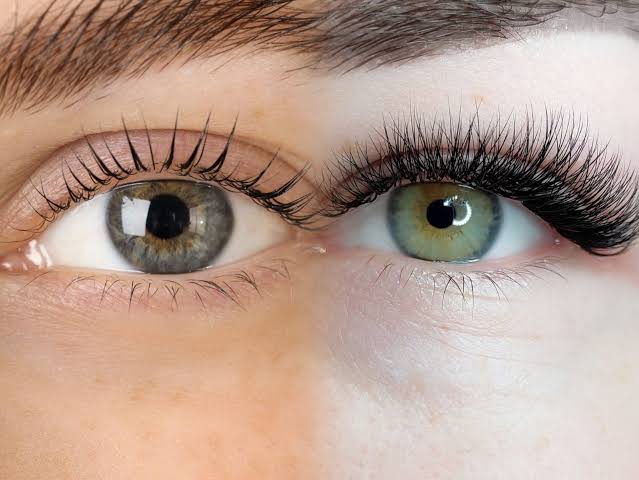
Seasonal shifts matter too. In summer you may want a lighter tint that fades gracefully, while in winter a deeper tint can add warmth. If you are growing out your brows, a stretch of lamination without tinting can let the hairs fill in.
A concrete example of adjusting the plan
Say you have been getting waxed every three weeks for years and recently started a nightly retinol. The first wax after that change stings more than usual and leaves redness that lingers into the next day. The adjustment is not to quit shaping; it is to switch to threading for a few months while your skin adjusts, keep the same three-week rhythm, and reintroduce waxing only after you have cycled off retinol for the recommended window. That is the kind of small, practical pivot this article means by adjusting your plan.
Frequently asked questions
How long does brow lamination last?
Brow lamination typically lasts 4 to 6 weeks, depending on your hair growth cycle and how closely you follow aftercare. The set direction fades as new hairs grow in, which is why touch-ups land on that same window rather than stretching longer.
Can I get brow lamination with sensitive skin?
Often yes, but tell your artist about your sensitivity first. A patch test at least 24 hours before the service helps confirm you do not react to the products used, and it is especially worth doing if you have reacted to tints or adhesives before.
What is the difference between brow tinting and brow dye?
In a studio setting, tinting refers to a semi-permanent color that sits on the hair and fades over a few weeks. Dye usually means a permanent oxidative color, similar to hair dye, which develops inside the hair shaft. Tinting is the more controllable option for brows because it fades predictably and is easier to adjust at your next visit.
How often should I get my brows waxed?
Most clients schedule waxing every 2 to 4 weeks, depending on growth speed and desired shape. If your skin is sensitive or you use retinol, threading on the same schedule can be a better fit.
Can I wear makeup after brow lamination?
Keep makeup off the brow area for at least 24 hours. After that it is fine, but avoid oil-based products near the brows so the lamination and tint hold longer.
Map your current routine against the maintenance each service requires, then book a consultation at The Estetica in Glen Rock, NJ. Bring photos, mention any skincare actives you use, and ask about a patch test if you are trying something new. Your artist can shape a plan that fits your schedule now and adjusts as your brows change.