
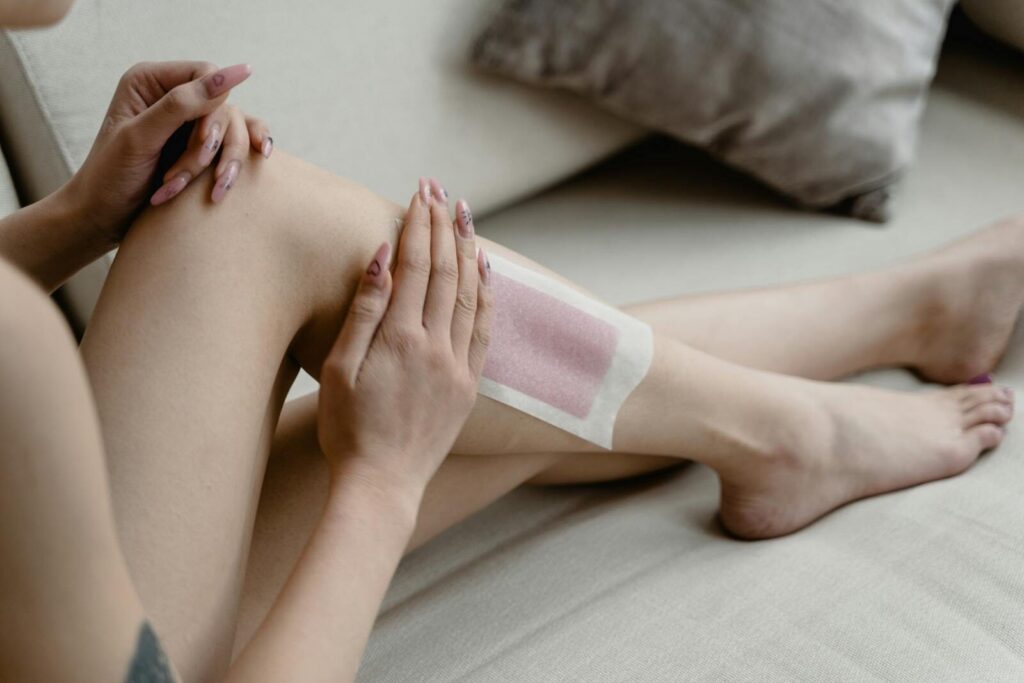
You have a waxing appointment in Glen Rock, NJ, and you’ve been using retinol. The question is not just when to stop, but how to decide whether to reschedule or proceed. This article gives you a clear framework to weigh your options, plus the exact timeline and aftercare steps to protect your skin.
Why Retinol and Waxing Can Be a Risky Combo
Retinol accelerates cell turnover, which makes your skin more sensitive and prone to tearing during waxing. Waxing removes hair from the root, and if your skin’s barrier is compromised, it can lift the top layer, causing redness, irritation, or even burns. The result is often more downtime than you planned for.
Here’s what you need to know before you book:
- Retinol thins the stratum corneum, the skin’s protective outer layer.
- Waxing can cause micro-tears in sensitive skin, leading to inflammation.
- Products like retinoids, tretinoin, and even some over-the-counter serums can increase risk.
- Your skin’s reaction depends on concentration, frequency, and your personal tolerance.
If you’re unsure, always err on the side of caution. A rushed decision can lead to a week of discomfort.
How Long Should You Stop Retinol Before Waxing?
Most estheticians recommend stopping retinol 5 to 7 days before your appointment. This allows your skin to rebuild its barrier and reduces the chance of lifting. If you use a prescription-strength retinoid like tretinoin, you may need to stop 7 to 10 days prior. Check with your provider for a personalized timeline.
Here’s a simple guideline:
- Over-the-counter retinol: stop 5 days before.
- Prescription tretinoin or adapalene: stop 7 to 10 days before.
- If you have sensitive skin or are new to retinol, extend the break to 10 days.
When in doubt, ask your esthetician. A quick call to The Estetica can save you from a painful mistake.
What Happens If You Wax Too Soon After Retinol?
Waxing too soon can cause the wax to adhere to your skin, not just the hair. This can result in skin lifting, raw patches, and even hyperpigmentation. In severe cases, it may lead to scarring or infection. The discomfort isn’t worth the convenience.
Signs you may have waxed too soon include:
- Burning or stinging immediately after.
- Redness that lasts more than 48 hours.
- Blisters or open sores.
- Dark spots that linger.
If you experience any of these, apply a gentle, fragrance-free moisturizer and avoid sun exposure. If the area worsens, seek medical advice.
Can You Use Retinol After Waxing?
Yes, but not immediately. Your skin needs time to recover after waxing. Wait at least 48 to 72 hours before resuming retinol. Starting too soon can irritate freshly waxed skin and undo the benefits of your treatment.
Here’s a safe post-wax routine:
- Day 1-2: Cleanse gently, apply a soothing moisturizer, and skip active ingredients.
- Day 3: If skin feels calm, reintroduce retinol at a lower frequency.
- Always use sunscreen, as retinol increases sun sensitivity.
This approach keeps your skin healthy and your results smooth.
How to Prepare for Your Waxing Appointment Safely
Preparation is about more than stopping retinol. A few simple steps can make your waxing experience more comfortable and reduce risks.
- Exfoliate gently 24 to 48 hours before, but not on the day of.
- Moisturize daily to keep skin hydrated, but skip heavy creams on appointment day.
- Avoid sun exposure and self-tanners for 48 hours prior.
- Skip caffeine and alcohol on the day of, as they can increase sensitivity.
- Wear loose clothing to avoid friction after.
If you’re using other active ingredients like glycolic acid or salicylic acid, consider pausing them as well. They can also increase sensitivity.
What to Tell Your Esthetician
Always be transparent about your skincare routine. Your esthetician can adjust the wax type or technique to minimize risk. For example, they might use a gentler hard wax or avoid certain areas. Honesty protects your skin.
At The Estetica, we ask about your skincare during your consultation. If you forget to mention retinol, speak up before the service. It’s better to reschedule than to risk a reaction.
Alternatives to Waxing While Using Retinol
If you can’t stop retinol or prefer not to, consider alternatives like threading or sugaring. These methods are gentler on the skin and may be safer with active ingredients. However, they still require some caution.
Here’s a quick comparison:
- Threading: No heat, less risk of lifting, but can still irritate sensitive skin.
- Sugaring: Natural paste, adheres to hair not skin, often better for sensitive areas.
- Laser hair removal: A long-term option, but requires avoiding retinol around treatment days.
Discuss these options with your esthetician to find the best fit for your skin and schedule.
Making the Right Decision for Your Skin
The key is to plan ahead. Don’t wait until the day before your appointment to think about retinol. A little foresight prevents a lot of discomfort. If you’re ever unsure, consult a professional. Your skin’s health is worth the extra call.
At The Estetica in Glen Rock, NJ, we prioritize your skin’s safety and your peace of mind. Before your next wax, take a moment to review your routine and reach out with any questions. A quick conversation can make all the difference.