If you have sensitive eyes or a history of reactions to beauty products, the thought of lash adhesive can feel like a deal-breaker. You want the lifted, polished look of extensions, but you don’t want redness, itching, or swelling. The good news is that a professional lash studio in Glen Rock, NJ, like The Estetica, can help you assess your risk and choose a safe approach. This article walks you through the specific questions to ask before your appointment so you can make an informed decision and enjoy your lashes with confidence.
What Causes an Allergic Reaction to Lash Adhesive?
An allergic reaction to lash extensions is usually a reaction to one of the ingredients in the adhesive, most commonly cyanoacrylate. This is the same family of ingredients found in some nail glues and super glues. When the adhesive is applied too close to the skin or when the fumes are inhaled, some people develop contact dermatitis or a respiratory reaction. Symptoms can include redness, swelling, itching, or a rash around the eyes. In rare cases, more severe reactions occur. The key is to know your sensitivity level before you book.
How to Test for Adhesive Sensitivity
A patch test is the most reliable way to see if you’ll react. The lash artist applies a tiny drop of adhesive behind your ear or on your inner wrist, then waits 24 to 48 hours to see if any redness or irritation appears. If you have a known allergy to cyanoacrylate, you should avoid lash extensions entirely and consider a lash lift instead. If you’re unsure, ask for a patch test at least two days before your full appointment.
What Ingredients Should You Ask About?
Ask your lash artist which adhesive they use and whether it’s formaldehyde-free. Many professional adhesives are now formulated to be gentler, but you should still request a list of ingredients. If you have a known allergy to latex or other common allergens, confirm that the adhesive and the lashes themselves are latex-free. The Estetica uses high-quality, medical-grade adhesives and will gladly discuss the ingredients with you.
What Are the Signs of a Reaction vs. Normal Sensitivity?
It’s normal to feel a slight tickle or mild discomfort during the first few minutes of application, especially if you’re not used to having anything near your lash line. However, a true allergic reaction usually appears within 24 to 48 hours and includes persistent redness, swelling, itching, or a burning sensation. If you experience any of these, contact your lash artist immediately and consider seeking medical advice if symptoms are severe.
What to Do If You Experience a Reaction
If you suspect a reaction, remove the extensions as soon as possible using a professional remover, not by pulling them off. Cleanse your lashes with a gentle, oil-free cleanser and apply a cool compress to reduce swelling. Over-the-counter antihistamines may help, but always consult a doctor if symptoms worsen or affect your vision. Do not try to treat the reaction with oil-based products, as they can trap the adhesive and worsen the irritation.
How Can a Professional Minimize the Risk?
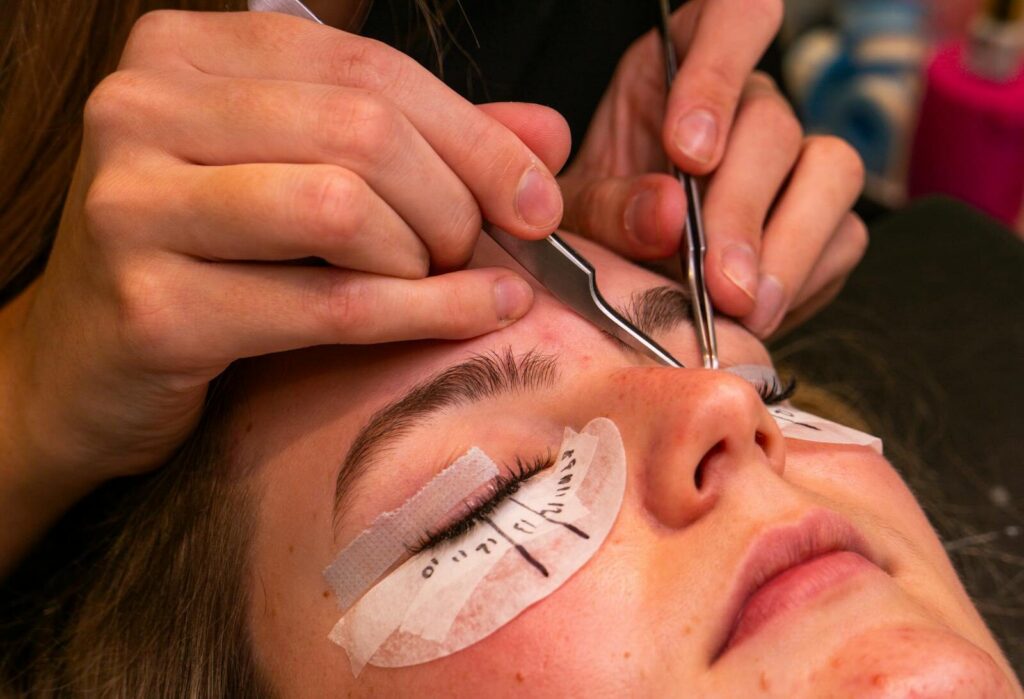
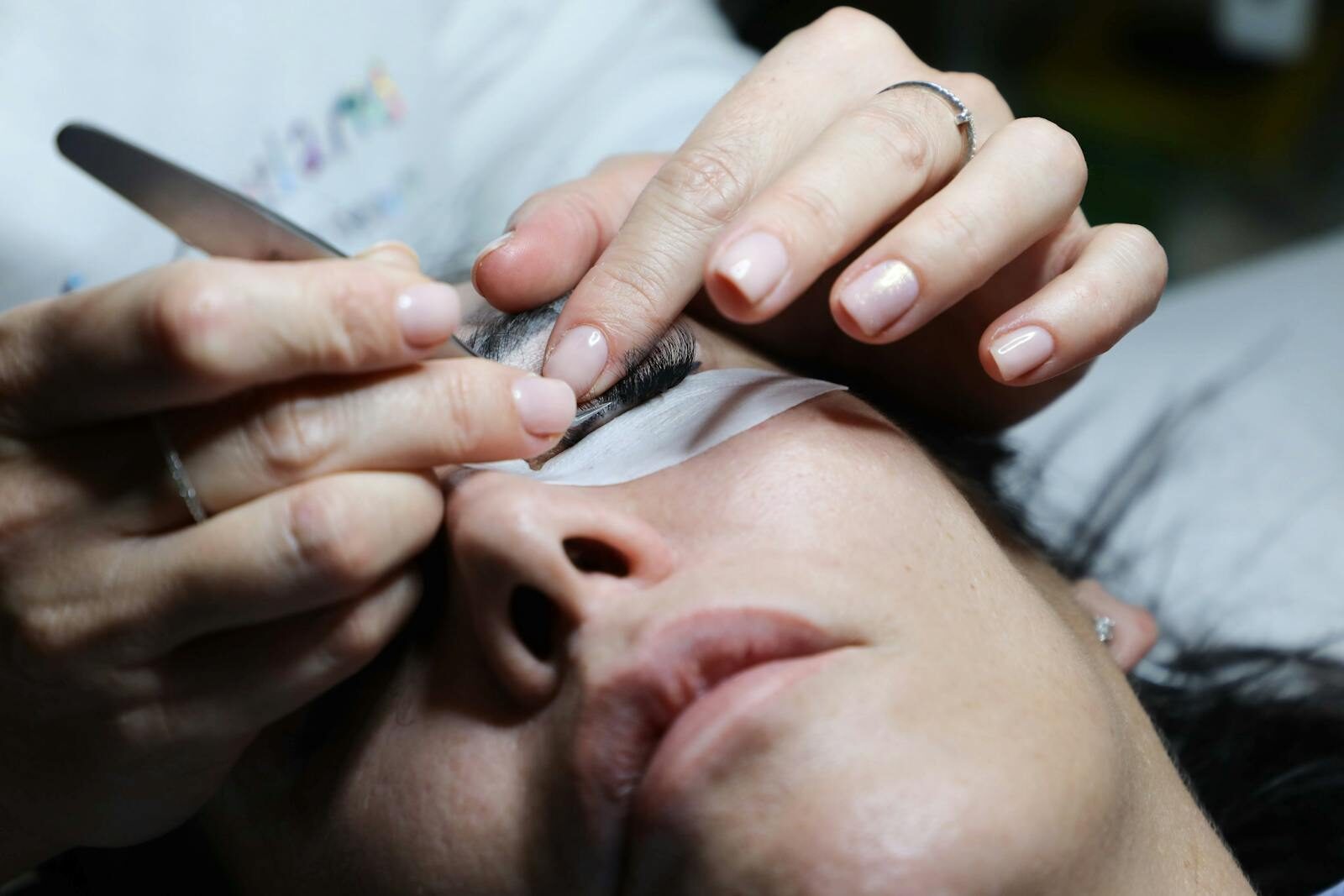
A skilled lash artist can significantly reduce the risk of a reaction by applying the adhesive correctly. The adhesive should be placed at least 1-2 millimeters away from the skin, never directly on the eyelid. Proper isolation of each natural lash prevents the adhesive from touching neighboring lashes or the skin. A professional will also use the right amount of adhesive, so it doesn’t seep or clump. At The Estetica, the lash artists are trained in safe application techniques and will always do a consultation before your first set.
What to Ask During the Consultation
Before you book, ask these questions:
- How long have you been applying lash extensions?
- What adhesive do you use, and is it formaldehyde-free?
- Can I have a patch test before my appointment?
- How do you ensure the adhesive doesn’t touch my skin?
- What aftercare products do you recommend to keep the area clean?
These questions help you gauge the studio’s professionalism and commitment to safety.
What Are Your Alternatives If You Have a Known Allergy?
If you already know you’re allergic to cyanoacrylate, lash extensions are not a safe option. But you don’t have to give up the look of fuller lashes. A lash lift and tint can give you a natural curl and darken your lashes without any adhesive near your skin. This service uses a perming solution and a tint, which are also applied close to the lash line, so you should still do a patch test for those products. Another option is to use a high-quality mascara and a lash curler, but for a longer-lasting effect, a lash lift is a great alternative.
When a Lash Lift Is a Better Choice
A lash lift is ideal if you have short, straight lashes and want a low-maintenance curl that lasts 6 to 8 weeks. It’s also a good choice if you have very sensitive eyes or a known adhesive allergy. The procedure takes about an hour and requires minimal aftercare. You’ll need to keep your lashes dry for the first 24 hours, but after that, you can treat them like normal. The Estetica offers lash lifts and tints that enhance your natural lashes without the need for extensions.
How to Prepare for Your Lash Appointment to Reduce Risk
Preparation starts at home. Arrive with clean, makeup-free lashes. Avoid using oil-based cleansers or skincare products around your eyes for at least 24 hours before your appointment, as oils can interfere with the adhesive bond. If you wear contact lenses, remove them before the appointment and bring a case. Also, avoid caffeine before your appointment, as it can make your eyes more sensitive and twitchy. Let your lash artist know about any medications, allergies, or recent eye infections.
What to Avoid After Your Appointment
For the first 24 hours, keep your lashes completely dry. Avoid steam, saunas, swimming, and heavy sweating. Do not use oil-based makeup removers or skincare products near your eyes. Use a lash-safe cleanser to gently wash your lashes daily to prevent buildup. Avoid rubbing your eyes or pulling on the extensions. If you notice any unusual redness or discomfort, contact your lash artist right away.
Frequently Asked Questions
Can I get lash extensions if I have sensitive eyes?
Yes, but you should have a patch test first. Many people with sensitive eyes tolerate lash extensions well when the adhesive is applied correctly and the lashes are placed away from the skin. Your lash artist can also use a gentler adhesive if needed.
How long does a patch test take?
A patch test is quick, usually taking about 10 minutes. You’ll need to wait 24 to 48 hours to check for any reaction, so schedule it a few days before your full appointment.
What should I do if I react to the adhesive during the appointment?
If you feel intense burning or see immediate swelling, tell your lash artist to stop the application. They will remove the extensions and advise you on next steps. It’s rare, but it can happen, and a professional will know how to handle it.
Are there hypoallergenic lash adhesives?
Some brands offer adhesives marketed as hypoallergenic, but there is no such thing as a completely allergy-free adhesive. The best approach is a patch test and open communication with your lash artist about your concerns.
Can I use a lash lift if I’m allergic to adhesive?
Yes, a lash lift and tint typically use different chemicals than lash adhesive. However, you should still do a patch test for the perming solution and tint to ensure you don’t react to those ingredients.
Your comfort and safety are the priority. If you’re in Glen Rock, NJ, and want to explore lash extensions or a lash lift, book a consultation at The Estetica. We’ll answer all your questions, do a patch test if needed, and help you choose the best option for your natural lashes.