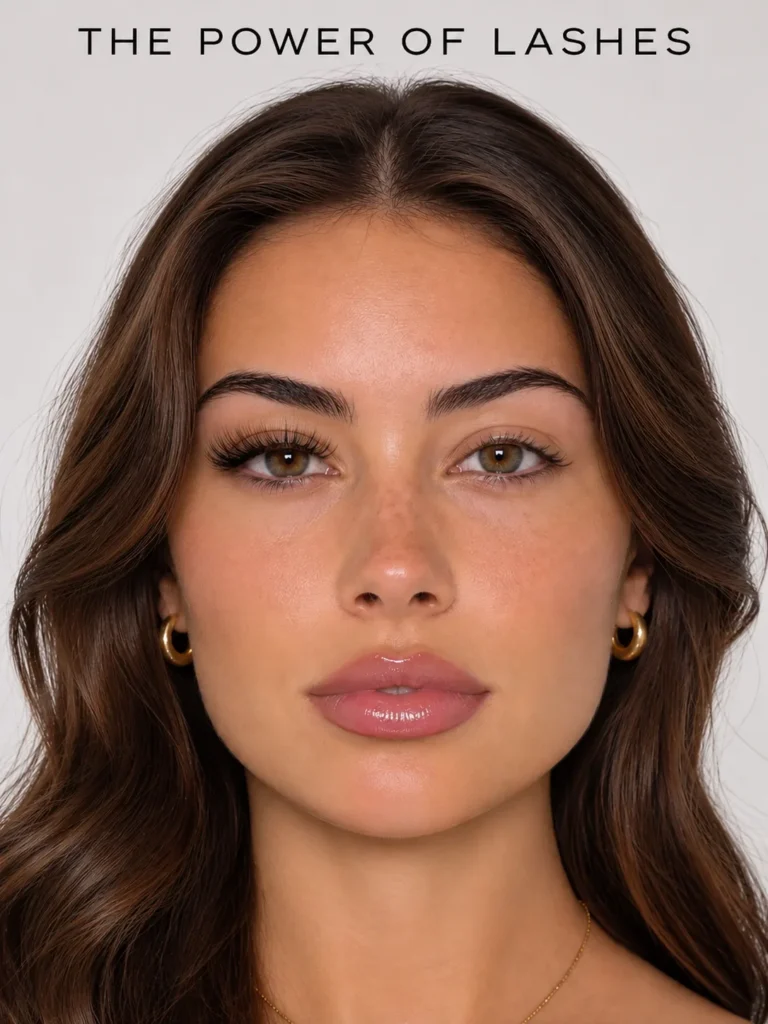
Planning lashes for a wedding rarely fails because of the lashes themselves. It fails because the plan was built backward from a photo instead of forward from your natural lash health, your calendar, and the dress you are actually wearing. If you are in Glen Rock, NJ and getting married this season, the most useful thing you can do first is decide whether your wedding lash plan runs on extensions or on a lift, then build the appointment dates around that answer. This guide covers both paths, the style details worth naming at your consultation, and the aftercare that protects the result through the ceremony.
Start with a consultation before you book a service
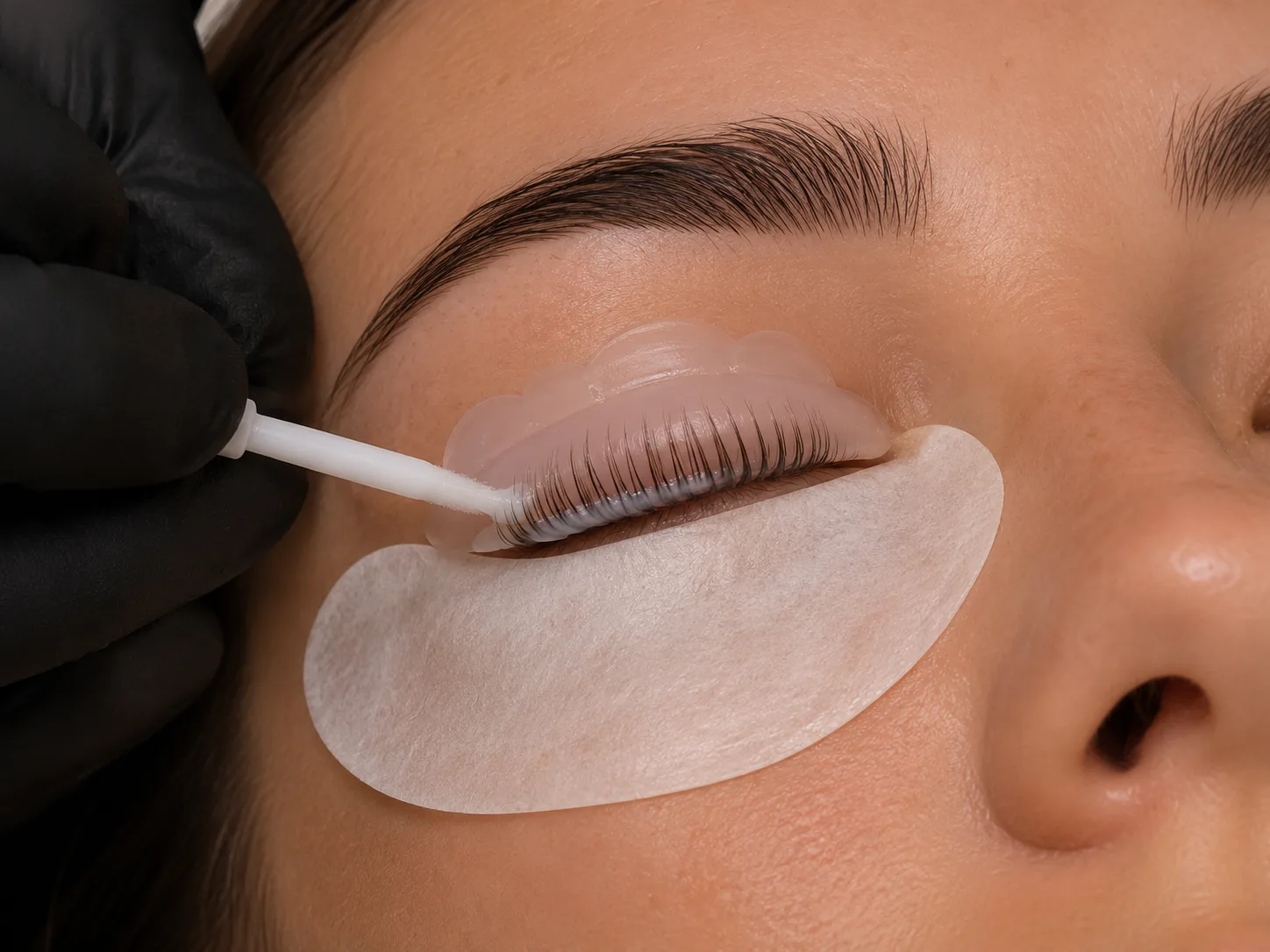
A consultation is where the plan gets real. Your artist looks at natural lash length, density, curl direction, lid space, and eye shape, then tells you which service will hold up on your wedding day without stressing your lashes in the weeks before it.
Brides carry a specific pressure here. The look has to survive flash photography, tears, humidity, and a long day, and it still has to read as you in the mirror. That is a design question, not a shopping question.
What to bring to your consultation
- Two or three inspiration photos, plus one photo of yourself on a normal day so the artist can see your baseline.
- Your wedding date, the venue setting (indoor, outdoor, tent, beach), and any travel before the ceremony.
- Any history of reactions to adhesives, lash lifts, or eye makeup, and a note if your eyes water easily.
- Questions about fills, aftercare, and what happens if a lash comes loose before the wedding.
At The Estetica, every lash design starts with this conversation, so the plan matches your features and your schedule instead of a trend. If you are still comparing services, our guide to lash extensions is a useful starting point before you sit down.
Decide between lash extensions and a lash lift
Extensions add length, curl, and density and need fills every 2 to 3 weeks. A lash lift curls your natural lashes, often with a tint, and holds roughly 6 to 8 weeks with no fills. The right choice depends on how much maintenance you want before and after the wedding, and how much natural lash you have to work with.
When extensions make more sense
Choose extensions if you want visible length or fullness, if your natural lashes are straight or sparse, or if you want definition in photos without mascara. Extensions also let you adjust the result at a fill, which is useful if your trial look needs a small correction.
When a lash lift is the better fit
A lift suits brides with decent natural length who want a low-maintenance routine, or who are nervous about committing to fills during a packed wedding season. It also travels well if you will not be near your artist for a refill.
What to ask if you are undecided
Ask your artist two direct questions: how your natural lashes would handle a set through the wedding, and whether a lift plus tint would give you enough definition for your makeup plan. Those answers will settle the decision faster than a comparison chart.
Choose a style that fits your eye shape and your dress
The most flattering wedding lash style follows your eye shape, not a model’s Instagram. Eye depth, lid space, and the natural direction of your lashes all change how a curl and length map reads on your face.
Classic, hybrid, and volume at a glance
- Classic lashes: one extension per natural lash. Clean and natural, closest to a mascara look. Best for brides who want subtle polish.
- Hybrid lashes: a mix of classic and volume fans. Adds texture and soft glam dimension without looking heavy. A common wedding choice.
- Volume lashes: multiple lightweight extensions per natural lash. Fuller and more dramatic, and best on a healthy natural lash base.
Name the curl and length, not just the style
Ask your artist which curl and length range they plan to use, and why. A softer C curl reads romantic and natural, a D curl lifts the eye more dramatically, and a J curl is the subtlest option. Length matters just as much: a shorter, denser set often photographs better than a long, wispy one because it holds its shape through the day. Getting the curl and length written into your trial notes means your final fill can reproduce the look exactly.
Map the style to your eye shape
A cat-eye mapping adds length at the outer corner, while a doll-eye mapping opens the center of the eye. Neither is universally better. What matters is what you want your eyes to do in photos, and your artist can show you the difference at the trial.
Match the look to your makeup plan
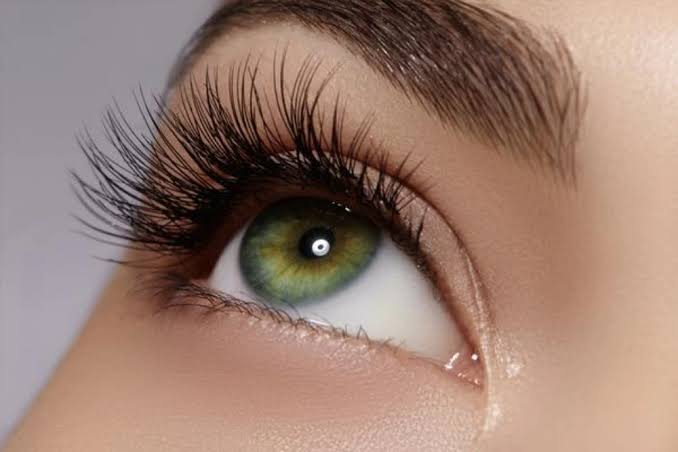
Tell your lash artist what your makeup artist has planned. A soft bridal look with a wash of champagne shadow and a nude lip pairs well with a hybrid set in a C curl, because the lashes carry the eye without competing with the shadow. A bold liner look can handle a fuller set. When the two artists know the plan, the lashes and the makeup support each other instead of fighting.
Build your wedding lash timeline
Work backward from your wedding date. A trial 4 to 6 weeks out, a lift 1 to 2 weeks before, and a final fill 2 to 3 days before the ceremony give you room to adjust without last-minute stress.
The countdown schedule
- 6 to 8 weeks out: Book your trial and your final fill date. Popular artists fill up during wedding season.
- 4 to 6 weeks out: Trial appointment. Try the style, live with it for a few days, and note what you would change.
- 2 to 3 weeks out: Routine fill if you already wear extensions, plus a check-in on the final look.
- 1 to 2 weeks out: Lash lift and tint, if that is your service, so the curl settles before the day.
- 2 to 3 days out: Final fill. Fresh, full lashes with enough time to relax into place.
Why the final appointment should be a fill, not a new set
A brand-new set right before the wedding can feel tight for a day or two, and there is no time to correct a mapping you do not love. A fill on a set your lashes have already adjusted to is the safer choice.
If you are traveling before the wedding
Book your final fill as close to departure as your schedule allows. For a destination wedding, ask your artist how many days of wear you will have before the ceremony and whether your normal fill window still lines up. Pack a lash-safe cleanser and a clean spoolie, and keep your lashes clean and brushed rather than adding extra product.
Prepare for the appointment and protect the result
Clean lashes and honest communication about sensitivities give you the best application and the lowest risk of irritation. Aftercare in the first 24 hours protects retention, which matters most when your fill window is tight.
Before your appointment
- Arrive with clean, makeup-free lashes and no oil-based products near the lash line.
- Remove contact lenses before your appointment.
- Tell your artist about any allergies, sensitivities, or past reactions.
First 24 hours after
- Keep lashes dry and skip steam, saunas, and heavy workouts.
- Do not rub or pull at the lashes.
- Avoid oil-based cleansers and makeup removers near the eyes.
Daily care until the wedding
- Brush gently with a clean spoolie each morning.
- Cleanse with a lash-safe cleanser to remove oils and buildup.
- Skip waterproof mascara, which is hard to remove and can pull lashes.
If you notice irritation, swelling, or unusual discomfort, contact your lash artist and seek medical evaluation if symptoms persist. Results depend on professional application, proper isolation, appropriate weight, aftercare, and your natural lash health, so no service suits every client.
Mistakes that throw off a wedding lash plan
Most wedding lash problems come from timing and expectations, not from the service itself. Fixing these early is easier than fixing them the week of the ceremony.
Booking the trial too late
A trial three days before the wedding leaves no room to change the style, curl, or length. Four to six weeks gives you a full lash cycle to see how the set wears.
Choosing a style from a photo without considering your eye shape
Bring photos, but treat them as direction rather than a specification. Ask your artist what will work with your eye shape and adjust from there.
Stretching fills to save time
Waiting longer between fills before the wedding usually means a sparser set and a heavier final fill. Keep your normal 2 to 3 week rhythm and book the last one close to the date.
Skipping aftercare during a busy season
Travel, late nights, and extra makeup all shorten retention. Cleansing and brushing consistently in the weeks before the wedding protects the investment you have already made.
Frequently asked questions about wedding lashes
How far in advance should I book my wedding lash appointment?
Book your trial 4 to 6 weeks before the wedding and your final fill 2 to 3 days before. If you are planning a lash lift, schedule it 1 to 2 weeks out so the curl settles. Popular artists book up during wedding season, so reserve dates early.
Can I wear mascara with lash extensions?
It is best to skip mascara, especially waterproof formulas, since they clump lashes and are difficult to remove without pulling. If you want extra definition for photos, ask your artist about a compatible option before the wedding day.
What if I have sensitive eyes?
Tell your artist about any sensitivities during the consultation so they can adjust adhesive and technique. If you experience unusual discomfort, irritation, or swelling, contact your artist and seek medical advice.
How long do lash extensions last?
Extensions shed with your natural lash cycle and need fills every 2 to 3 weeks to stay full. With consistent aftercare, a well-applied set keeps its shape through the wedding and beyond.
Your wedding lash plan comes down to three decisions: which service fits your natural lashes and routine, which style suits your eye shape and makeup, and when each appointment lands on the calendar. Compare your current routine with the schedule above, then book a consultation at The Estetica and bring your inspiration photos. A short conversation now is what keeps the week of the wedding calm.