
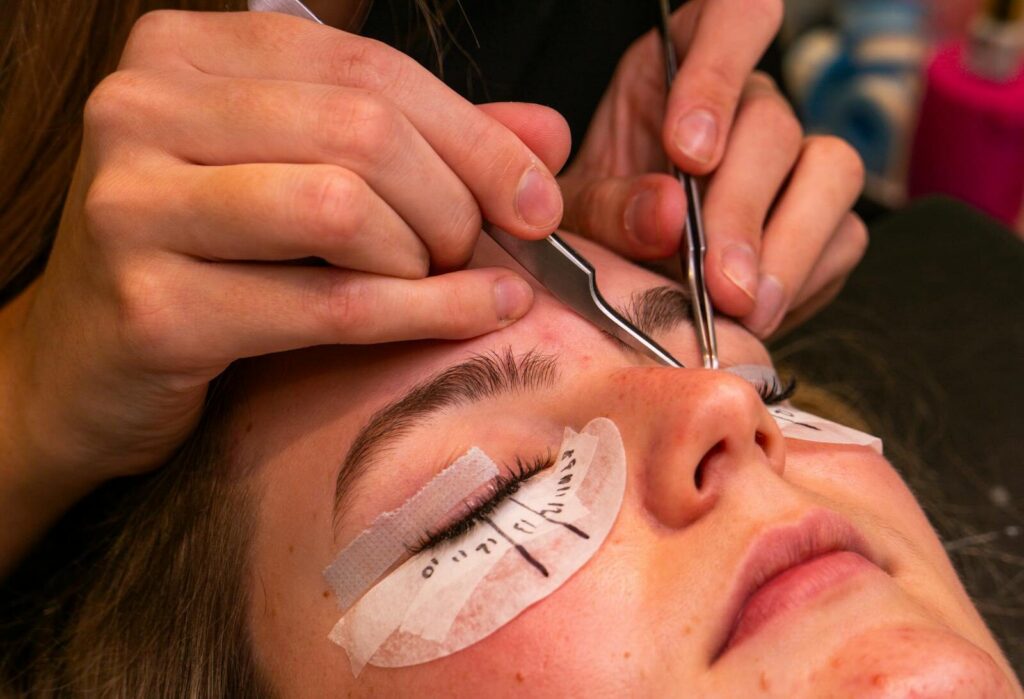
Volume lashes without damaging natural lashes come down to three things: fan weight matched to your natural lash strength, clean isolation, and a maintenance routine you will actually keep. If you are in Glen Rock, NJ and weighing a fuller set against the health of your natural lashes, the decision is less about picking a style from a photo and more about what your lash line can carry comfortably. This guide covers how volume differs from classic sets, what to ask at your consultation, and how to protect your lashes between fills.
Most lash concerns clients bring up are not caused by volume itself. They come from overweight fans, extensions bonded to skin or to more than one natural lash, skipped cleansing, and stretched-out fill schedules. Knowing those failure points is what lets you ask better questions and leave the studio with a set that feels light.
How volume lashes differ from classic sets
Classic lashes place one extension on one natural lash. Volume lashes place a fan of several ultra-fine extensions on a single natural lash, so fullness comes from multiple thin strands rather than one heavier one. Done well, a volume set can feel lighter than a dense classic set while looking fuller.
The weight that matters is the total load on each natural lash, not the number of strands in the fan. A five-strand fan of very fine lashes can weigh less than a two-strand fan of thicker material.
Why fan construction decides comfort
Fans are built by grouping thin extensions into a single base before placement. The base should be narrow and clean, and the fan should sit on one isolated natural lash. When fans are too wide at the base, they bond to neighbors, and that is where pulling and premature shedding start.
Where lash damage actually comes from
- Overweight sets: fans too heavy for the natural lash to support through a full growth cycle.
- Poor isolation: extensions stuck to skin or to multiple lashes, which pulls as they grow out.
- Adhesive placement: too much glue too close to the skin raises irritation risk.
- Skipped cleansing: buildup along the lash line weakens bonds and can irritate eyes.
- Late fills: grown-out extensions tangle, and brushing then creates friction.
- Eye rubbing: the most common self-inflicted cause of lash loss.
If you have a history of sensitivity, tell your technician before application. For persistent redness, swelling, or pain, seek medical evaluation rather than waiting it out.
Choosing a volume set that suits your natural lashes
Start with your natural lash base and build the look from there. A stylist who maps curl, length, and density to your eye shape and lash strength will give you a set that holds up, while copying a photo set exactly often leads to early gaps.
Questions worth asking at your consultation
- “What curl, length, and diameter are you recommending for my natural lashes, and why?”
- “Would you start me on a lighter set and add density at my next appointment?”
- “How do you isolate lashes, and how do you keep fans from touching the skin?”
- “Based on my lash cycle, what fill window should I book?”
- “Which lash-safe cleanser should I use, and how often?”
Matching the look to the result you want
Volume is a range, not a single style. Use this as a starting point for the conversation, not a menu to order from.
- Natural volume: 2-3 ultra-fine extensions per natural lash, creating a soft, fluffy effect that mimics a full natural lash line. Best if you want “no-makeup” polish.
- Soft glam volume: 3-4 extensions per lash, adding noticeable lift and definition while staying flexible. Ideal for clients who wear light eye makeup and want a polished but not dramatic look.
- Hybrid effect: a mix of classic singles and volume fans (about 50/50), giving texture and depth without uniform density. Good for those who find full volume “too perfect” and prefer a more organic finish.
- Bold volume: 5 or more extensions per lash for maximum density and a dramatic, photo-ready look. Best suited to strong natural lashes and consistent aftercare.
If you are unsure, ask for a lighter first appointment. Adding density later is simple; recovering from a set that was too heavy for your lashes takes longer.
When a lash lift may be the better choice
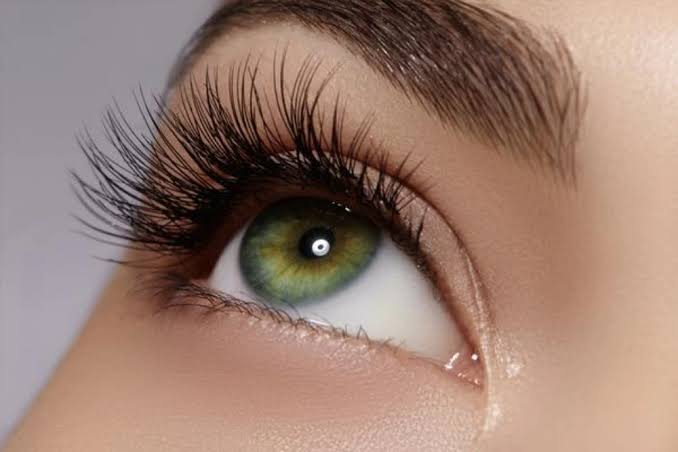
If your natural lashes are already full and you mainly want curl and lift, a lash lift and tint can give you a polished result with no fills. A lift typically lasts 6-8 weeks and requires no daily brushing or oil-free cleansers, making it a lower-maintenance option. Volume extensions make more sense when you want added length or density that your natural lashes do not have, and when you are ready for a fill appointment every 2-3 weeks. Comparing the two honestly during a consultation is faster than deciding from photos. For a deeper comparison, see our guide on lash lift vs lash extensions.
Before your appointment: how to prepare
Arriving with clean, product-free lashes gives your technician a stable surface for isolation and helps adhesion hold. It also lowers the chance of irritation in the first few days.
- Come with no eye makeup, oils, or residue around the lash line.
- Pause oil-based eye products for at least 24 hours before your visit.
- Skip lash serums unless your artist has approved them for your situation. Serums can leave a residue that interferes with adhesive and may contain ingredients that irritate the eye area during application.
- Bring two to five inspiration photos and say what you like about each: the lift, the density, the outer-corner length.
- Share your lash history, including past sets, breaks, reactions, and how often you wear eye makeup.
Sleep position matters more than most clients expect. If you sleep on your face, mention it, because it shapes both the style recommendation and the aftercare plan.
Aftercare that protects retention and lash health
Volume sets need daily cleansing and brushing because more individual strands means more chances to tangle. The first 24 hours set the tone for the rest of the wear cycle.
What to avoid in the first 24 hours
- Getting the lashes wet before your stylist’s advised setting time.
- Rubbing or pressing your eyes, even if they feel itchy.
- Steam-heavy environments such as saunas or long hot showers.
- Heavy creams and oil-based products near the eye area.
Your daily routine
- Cleanse: use a lash-safe cleanser formulated for extensions, working gently along the lash line.
- Brush: comb through with a clean spoolie to separate strands and prevent matting.
- Keep oils away: oil-based makeup removers and skincare break down adhesive near the bond.
- Protect while sleeping: avoid pressing your face into the pillow, and adjust if you tend to rub at night.
Signs your set needs attention
Scratchiness, significant tangling, uneven lifting, or shedding that seems heavier than usual are reasons to call your studio rather than wait for your next appointment. Early adjustments are cheaper and gentler than a full removal and reset.
Fills, timing, and when to give your lashes a break
Your natural lashes shed on a cycle, and extensions go with them. Fills keep the set balanced before grown-out extensions start catching on each other.
How to time your fills
There is no universal interval. Your retention, growth pattern, and aftercare habits determine the right window, and your technician can recommend one at your appointment. A practical rule is to book when you first notice gaps changing your eye shape or when brushing starts to feel like work. Waiting until the set looks visibly worn usually means more tangling and more friction. For most volume clients, a fill every 2-3 weeks keeps the set looking fresh and prevents weight from shifting unevenly.
Common mistakes and the fix
- Oil-based remover near the lash line: switch to a lash-safe cleanser and keep oils away from the bond.
- Stretching the fill window: book within your recommended window so extensions do not drag as they lift.
- Choosing bold volume on fine lashes: start lighter and increase only if retention holds.
- Copying a photo without eye-shape mapping: ask for a personalized map for lift, elongation, or balance.
- Skipping cleansing because it feels risky: gentle daily cleansing protects the lash line; buildup is the bigger threat.
When to pause volume and let your lashes recover

Consider a reset if your natural lashes feel thin, shedding persists, irritation keeps returning despite good aftercare, or retention is consistently poor for your routine. A consultation can help you decide whether to reduce density, switch to a lighter style, or take a break. At The Estetica, the recommendation starts with your natural lash health, and a lighter set is offered when that is the better path. Our lash extensions in Glen Rock page outlines how consultations work and what to expect from a first visit.
FAQ
Can volume lashes damage natural lashes?
Not automatically. Risk rises when fans are too heavy for your natural lashes, isolation is inaccurate, or aftercare is inconsistent. Professional application with appropriate weight and a realistic fill schedule keeps the load within what your lashes can support. A key factor is the diameter of individual extension strands: 0.05 mm and 0.07 mm are common for volume, while 0.10 mm or higher is typically reserved for classic lashes.
How do I know if my volume set is too heavy?
Watch for discomfort, frequent tangling, or retention that is noticeably worse than expected for your routine. Mention it at your next visit so density and extension specifications can be adjusted rather than pushed through. If you can feel the weight of the extensions when you blink, that is a sign to ask for a lighter set.
How often should I book fills for volume lashes?
It depends on your retention and growth pattern, so your lash artist should set a window for your specific set. For many volume clients, a fill every 2-3 weeks keeps the set balanced and prevents tangling. Booking when you first notice gaps or tangling prevents the pulling that comes with grown-out extensions.
What should I bring to my first volume appointment?
Bring a few inspiration photos, your lash history including any past sensitivity, and details about your routine such as makeup habits and sleep position. That context helps your technician design a set that fits your eye shape and lash health. Also note any medications or eye conditions, as they can affect adhesive choice and comfort.
If you want volume lashes that look full but feel comfortable, start with a consultation in Glen Rock, NJ. Bring your inspiration photos, ask how fan weight is chosen for your natural lashes, and leave with a fill window and an aftercare routine written down. That combination is what keeps a volume set looking polished between appointments instead of weighing on your natural lashes. You can also explore our brow services to complete your look.