
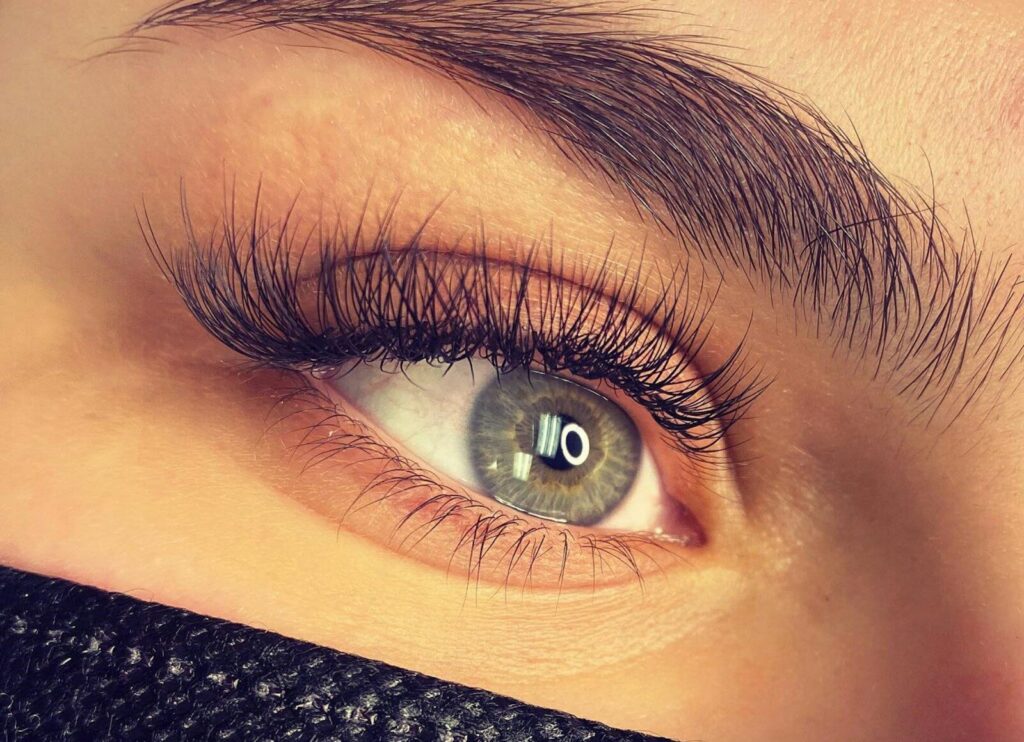
If you’re getting lash extensions in Glen Rock, NJ, the question isn’t just how pretty the set looks—it’s how long it will stay full before you need a fill. The Estetica knows that the timing matters for both natural-looking retention and your real-life schedule: you want to plan your next appointment without overbooking, and you want to avoid the common “sparse” gap that can happen when fills are delayed or aftercare is off.
This guide breaks down how long lash extensions typically last, what affects retention, what “need a fill” really looks like on your lash line, and how to stretch your appointment cycle with the right routine—so you can keep your lashes looking polished, not patchy.
How long lash extensions last before a fill (and why timing varies)
Most clients schedule fills based on the natural lash growth cycle. Extensions don’t “fall out” at once; they shed as your natural lashes shed. That’s why your set gradually changes from full to softer as weeks go by.
- Typical fill window: many clients book a fill around 2 to 3 weeks after a full set.
- After 3–4 weeks: you may notice bigger gaps, more uneven curl direction, or fewer lashes overall—at which point a fill may be less efficient than a corrective approach or, in some cases, a new set.
Important: your exact timeline depends on natural lash health, application technique, your lifestyle, and how carefully you follow lash aftercare.
What’s happening to your lashes during the “in-between” weeks?
Your natural lashes go through a growth cycle. When lashes shed, the extension attached to that lash sheds with it. Over time, the remaining lashes may still look great, but the spacing becomes more visible—especially at the outer corner or near the lash line.
Use this simple retention check: if your lashes look slightly less dense but still evenly blended, you’re likely close to the right window. If they look noticeably patchy or misaligned, it’s usually time to book sooner rather than later.
What determines lash extension retention (the real factors)
Retention is not only about the product or the studio—it’s the combination of professional application and your day-to-day habits. Here are the biggest drivers of how long lash extensions last before you need a fill.
1) Natural lash health and your lash cycle
If your natural lashes are dry, weak, over-processed, or recently stressed, they may shed sooner. Your lash growth rate also affects how quickly you’ll see gaps.
2) How your extensions are applied
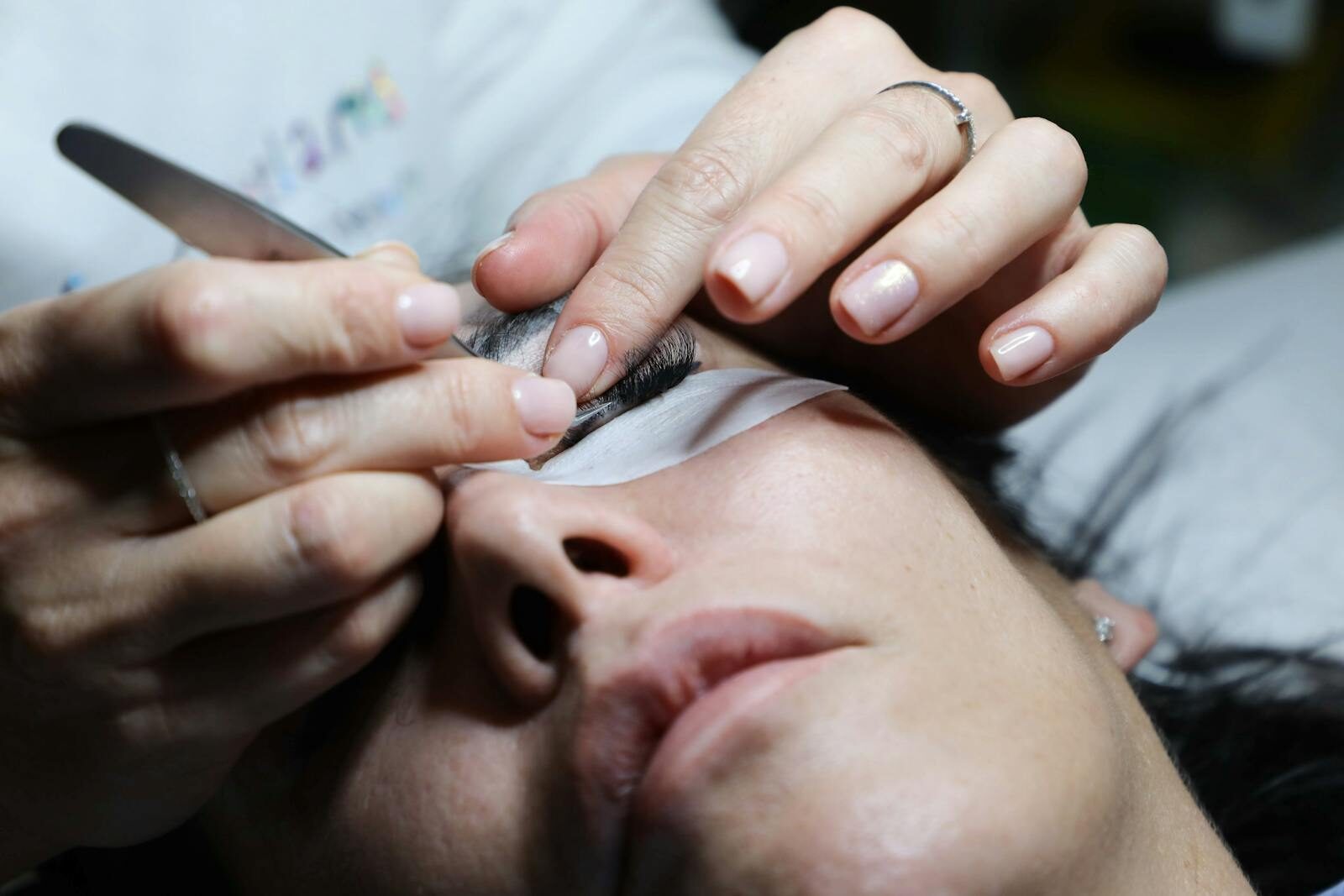
Professional isolation (separating one natural lash at a time), appropriate weight, and correct placement help extensions sit securely. A heavier set on lighter natural lashes can reduce retention and lead to a quicker “droop” in appearance.
3) Your aftercare routine
Even the best application can’t override aftercare. Oil, rubbing, steam, and improper cleansing can loosen bonds and make lashes slip earlier.
- Oil-free skincare near the eye area is key.
- Gentle cleansing keeps buildup from weakening bonds.
- No rubbing when drying your face or removing makeup.
4) Your lifestyle (sleep, gym, and water exposure)
Back sleeping, minimizing direct water/steam right after your appointment, and being mindful around saunas can all support retention. If you wear contact lenses, your routine may affect how much you touch your eyes—so we factor that in during consultation.
Quick visual: what “normal shedding” looks like
- Lash line still looks soft and blended overall.
- Gaps are gradual, not sudden.
- Most lashes keep their curl and direction.
What it doesn’t look like is sudden patchiness overnight or clusters of lashes missing from one specific area—those patterns often point to aftercare issues or an application mismatch.
Signs you’re due for a fill (so you don’t guess)
Instead of watching the calendar only, learn the visual signals on your lash line. This keeps your look consistent and helps you avoid the “too late” gap between appointments.
| What you notice | What it usually means | Next step |
|---|---|---|
| Lashes are less dense but still evenly distributed | Approaching the typical fill window | Book a fill for the next available appointment |
| Outer corners look thinner first | Natural shedding is more noticeable in that area | Schedule your fill sooner to refresh the blend |
| More gaps in the center lash line | More than the expected shedding for your timeframe | Bring your concerns to a check during your appointment |
| Lashes look misdirected or clumped | Buildup or dryness can affect how extensions move together | Clean and brush as advised, then schedule a fill |
| Large patchy areas or a lot of missing lashes | You may be beyond the efficient fill window | A consultation can determine fill vs. new set |
Common mistakes that make fills feel “too soon”
- Skipping lash cleansing: buildup can weaken retention over time.
- Using oil-based products too close to the lash line: cleansers, makeup removers, and heavy creams can reduce bond strength.
- Rubbing or sleeping face-down: friction and pressure can pull extensions prematurely.
- Waiting too long to book: by the time you’re far into the cycle, the remaining lashes may not be a good foundation for a “quick refresh.”
Small rule that helps: if you’re wondering whether you need a fill, it’s usually better to book within your typical window than to stretch it.
How to keep your lash extensions looking full longer
Want to extend the gap between fills without sacrificing a natural look? The goal isn’t to “fight” your lash cycle—it’s to protect retention so the shedding process stays gradual and blended.
Aftercare basics that support retention
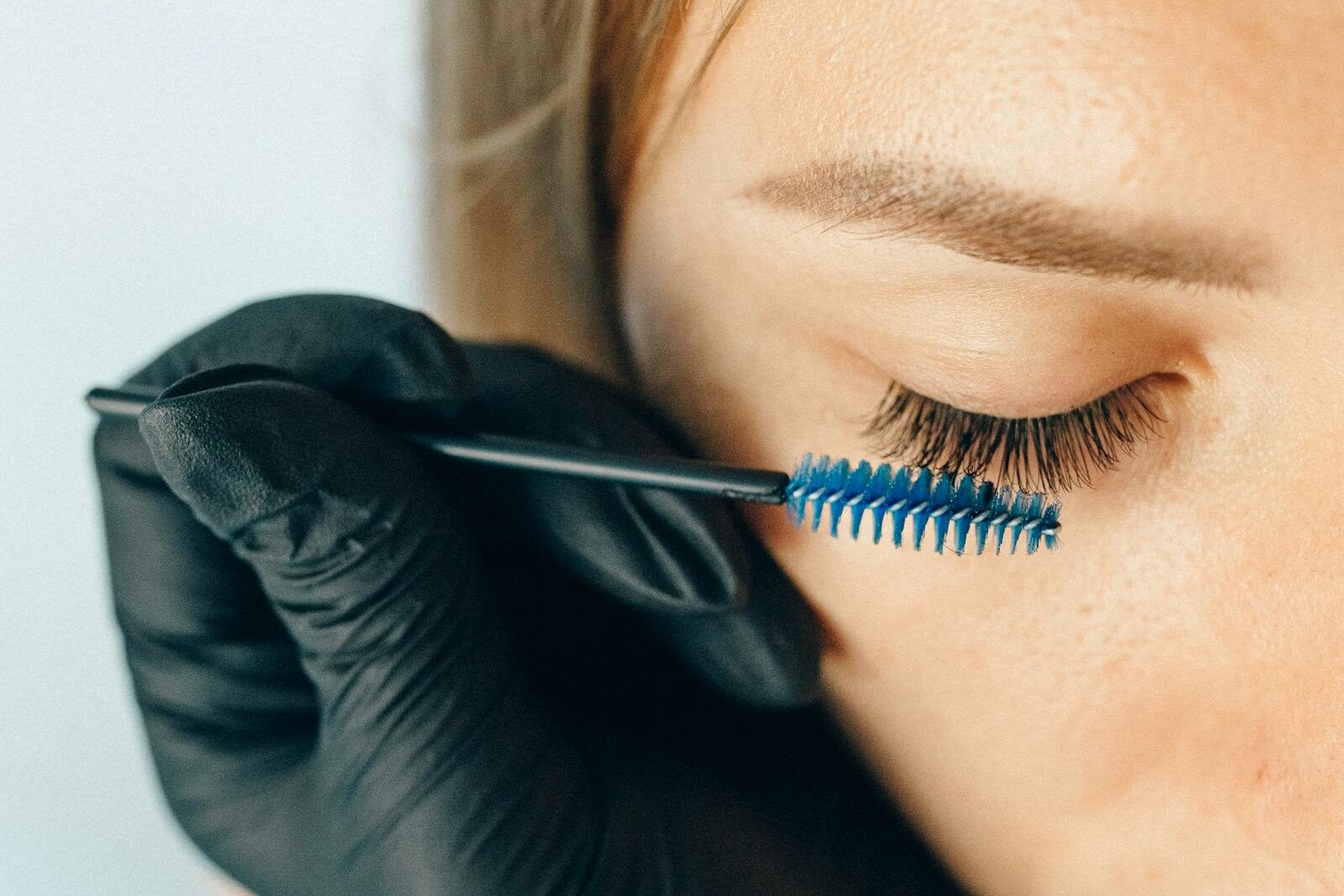
- Brush daily with your lash-friendly spoolie (as recommended), focusing on separating any lashes that start to stick together.
- Keep water habits intentional: avoid heavy steam or soaking right after your appointment.
- Use oil-free products around the eyes.
- Skip heavy mascara—if you wear it, ask your lash artist what’s lash-safe and how to apply without rubbing.
What to avoid during your first 24–48 hours
Early aftercare strongly influences how the set settles and adheres. During this window, prioritize gentleness and avoid anything that disrupts bonds.
- Avoid rubbing your eyes
- Avoid steam-heavy environments
- Avoid oil-based skincare near the lash line
- Avoid waterproof makeup remover around the eyes (if it isn’t lash-safe)
Save-worthy: your fill-friendly checklist
- Morning: quick brush-through to prevent tangling
- Cleanse: lash-safe cleanser as advised
- Skincare: apply moisturizer away from the lash line
- Sleep: try to stay off your face
- Appointments: book your next fill in your target window
Classic, hybrid, and volume sets: do they need different fill timing?
Fill timing is still guided by your natural lash cycle, but the look changes differently depending on the density and weight of your set.
Classic lashes
Classic sets typically create a defined, natural enhancement. Because the look is more spaced out by design, you may notice gaps a bit sooner visually—but they can still look wearable if your retention is strong.
Hybrid sets
Hybrid lashes mix classic and volume-style elements. Many clients choose hybrids for a soft glam effect that reads fuller while still blending naturally—retention depends on appropriate mapping and weight for your natural lashes.
Volume lashes
Volume looks are bolder and more textured. When applied with proper isolation and balanced weight, they can still retain well, but they often require closer attention to aftercare and appointment timing for the best “fresh” appearance.
| Set type | Common look change between fills | Fill planning tip |
|---|---|---|
| Classic | Less density shows first, especially at the edges | Stay consistent with your 2–3 week window |
| Hybrid | Soft fullness gradually reduces, blend stays natural longer | Book when your lash line starts looking lighter in the center |
| Volume | More noticeable gap patterns if retention is disrupted | Prioritize appointment timing and aftercare |
Note: Your lash artist should recommend a set weight and mapping plan based on your natural lash strength, eye shape, and desired level of drama—not just what looks best in a photo.
When a fill isn’t the best option (and what to do instead)
Sometimes you may be beyond the ideal fill window. That doesn’t mean your lashes are “ruined”—it usually means the existing extensions can’t blend back as seamlessly.
Fill vs. new set: what your consultation decides
- Fill may be ideal if most lashes remain, gaps are moderate, and your lash line still has a stable base.
- A new set may be recommended if extensions are widely missing, lashes are significantly misdirected, or your lash health needs a reset.
A smart next step: bring your inspiration photos, note your last fill date, and tell your lash artist how your lashes feel day-to-day (dryness, sensitivity, rubbing habits). That context helps choose the most natural, low-maintenance plan.
Make your next appointment easier: how to prepare
If you want your fill to look clean and intentional (not rushed), preparation helps. It also helps your lash artist work efficiently and safely.
Before your fill appointment
- Arrive with no lash makeup on
- Tell us about any changes: new skincare near the eyes, contacts, allergies, or irritation
- Avoid oil-based products the day of your appointment
Bring the right questions
- “What fill window are you recommending based on my retention so far?”
- “Is my current set weight and style still best for my natural lashes?”
- “What aftercare step would most improve my next cycle?”
If you’re in Glen Rock, NJ or nearby and looking for a lash studio that’s focused on personalized, natural-looking retention, The Estetica will help you choose a plan that fits your eye shape, lifestyle, and maintenance preferences. For a fill timing estimate that’s specific to your lash line, book your check-in within your 2–3 week window—and bring your last appointment date and aftercare routine.