
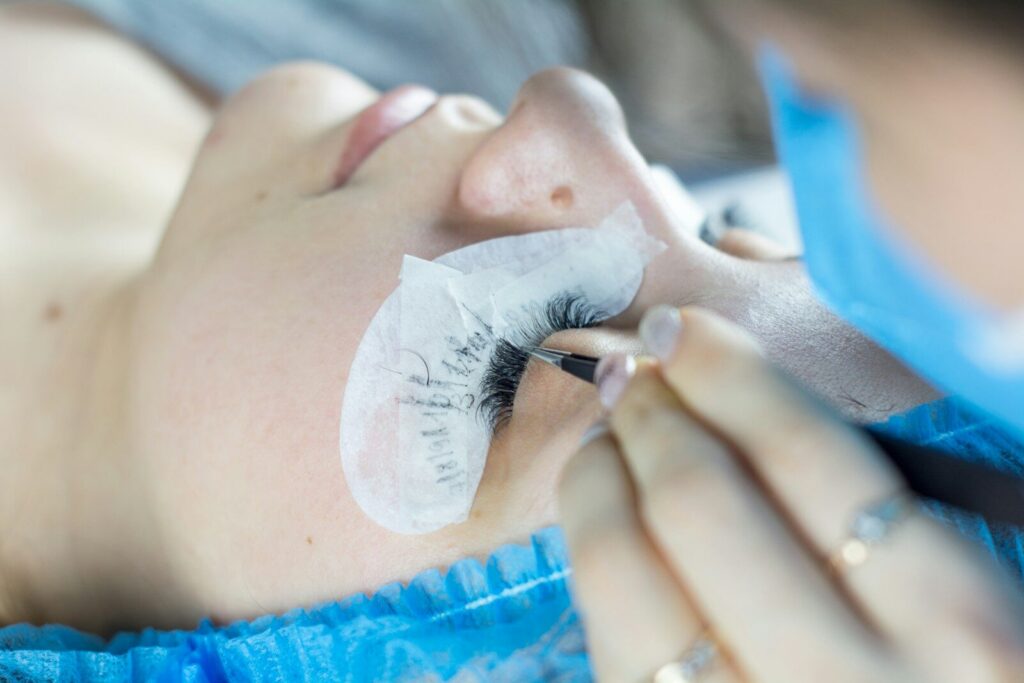
Can You Wear Mascara After a Lash Lift? This is a common question from clients who want to keep their lift looking polished without sacrificing lash health. A lash lift reshapes the natural lashes, giving an enhanced curl that can last several weeks depending on your lash cycle. Many wonder if mascara is off-limits after the treatment or if the right formula will extend the lift without compromising it. This guide walks through what to expect, what to avoid, and how to choose mascara that respects the lift’s integrity.
From the moment you walk out of a lash-lift appointment, your choices affect retention, curl longevity, and comfort. The decision to wear or skip mascara hinges on your daily routine, how clean your eye area stays, and whether you’re prone to rubbing your eyes or using oil-based cleansers. By the end, you’ll know when mascara is safe to use, which formulas work best, and how to apply it to protect your investment while keeping lashes healthy.
Understanding the Lash Lift and Mascara Compatibility
What a lash lift does to your natural lashes
A lash lift uses a controlled chemical process on the lashes to soften and reshape their curve, then sets them around a silicone shield or rod. The result is a lifted, open-eyed appearance without adding length. The lift itself affects the shape and position of each lash, not the diameter of the lash strand. Because the curl is more pronounced, the way mascara interacts with the lashes changes: you’ll notice how product sits on a curved surface and how easily it can weigh lashes down or cling to the base if applied with poor technique. The effects typically endure for several weeks, following the natural lash growth cycle and aftercare routine you maintain.
How mascara interacts with a lifted curve
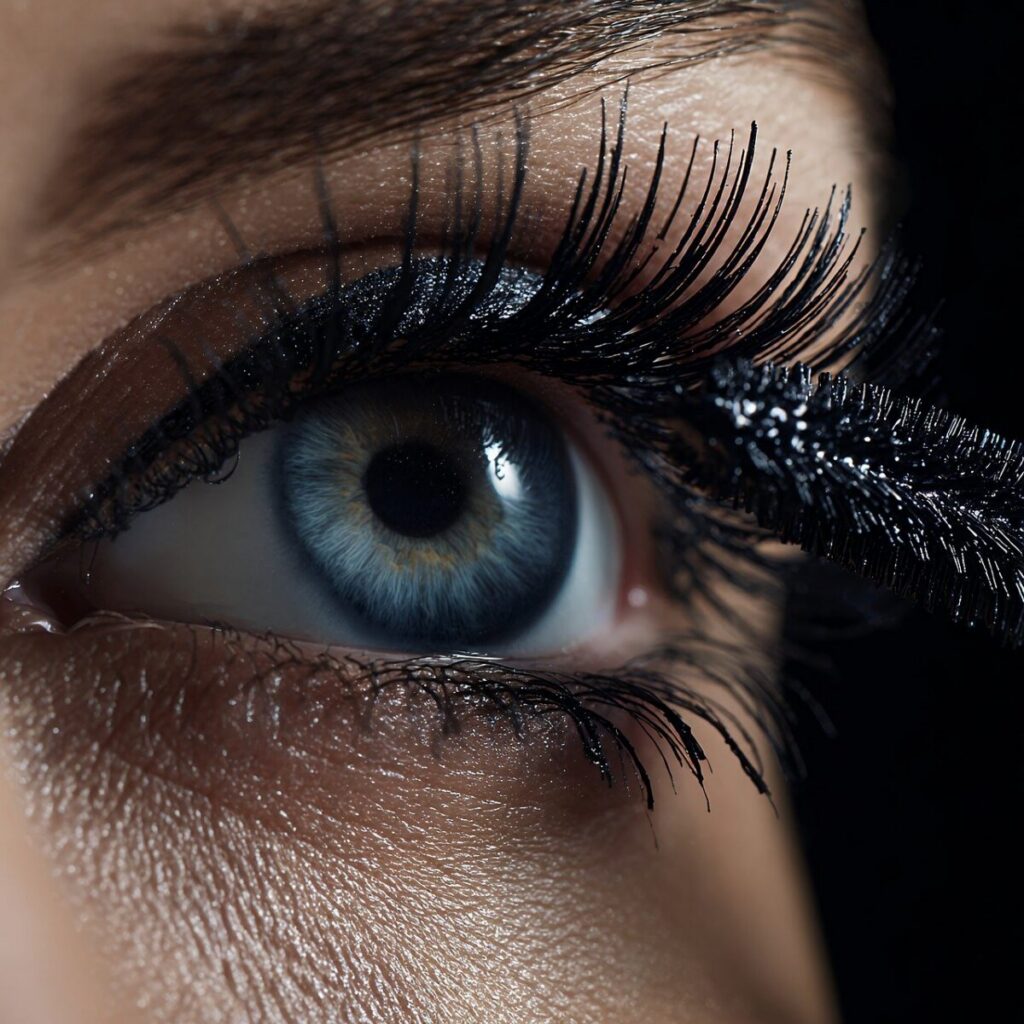
With a lifted lash, mascara can either enhance or obscure the effect depending on the formula and application. A heavy coat can weigh the curl down, especially if the mascara is oil-rich or difficult to remove. Conversely, a lightweight, tubing or water-based mascara tends to complement the lift by adding definition without lifting or flattening the curl. Because the lift creates a more open lash line, precision matters: small clumps at the tips or near the base can be more noticeable on a lifted lash. The goal is to enhance the curl while preserving the integrity of both the lift and the natural lash.
What changes after a lash lift
The lash lift doesn’t change the health of the hair shaft, but the way each lash catches light and holds product does shift. Results are highly individual, influenced by your natural lash health, growth cycle, and aftercare habits. Since the lift looks most dramatic when the lashes are clean and well separated, choosing the right mascara and applying it with care is essential if you plan to wear makeup in between lifts or on special occasions. If the lash line is sensitive or irritated, you may choose to skip mascara for a period or switch to a gentler option until comfort returns.
Keeping the lift healthy starts with mindful mascara choices that respect the curl and adhesive.
When Mascara Is Okay After a Lash Lift
Timing: wait time after lift
Most lash artists recommend waiting at least 24 hours before applying mascara. This gives the lifting solution and the adhesive a chance to fully set, reducing the risk of compromising the curl or retention. If you have particularly sensitive eyes or you’re planning activities that expose your eye area to moisture (swimming, hot yoga, steam), extending that waiting period may be prudent. Always align timing with your lash professional’s specific guidance, since products and techniques can vary by salon and technician.
Mascara choices: water-based vs oil-based
When mascara is on the table after a lash lift, the safest bets tend to be water-based formulas or tubing mascaras. Tubing mascaras form a polymer “tube” around each lash, which can make removal easier and minimize smudging or impact on the curl. Oil-based mascaras and waterproof formulas, while sometimes durable, can be harder to remove and may interact unfavorably with lifting adhesives, potentially affecting curl longevity. If you wear contact lenses, look for ophthalmologist-tested products and consider brands that emphasize gentle, additive-free formulas.
Application approach
Apply mascara with a light hand and focus on the mid-length to the tip of each lash. Avoid heavy coats at the base where the curl starts, which can create a dense line that obscures the lift. Use a clean wand to minimize clumping and brush in an upward motion to encourage separation. If you notice any lifting or crimping after applying mascara, wipe away excess product and let the lashes air-dry before adding more if needed.
Gentle mascara removal protects the lift and your natural lashes from shear.
When You Should Avoid Mascara Right After
Immediate curing period
The initial 24 hours after a lift are a critical window. During this time, avoid mascara entirely to allow the lift to settle and the adhesive to set without interference. If you must wear makeup sooner, discuss a minimal approach with your lash artist and consider a clean, oil-free product that is easy to remove—though many prefer to wait the full period to preserve results and comfort.
Eyes sensitivity or irritation
Eyes that feel irritated, itchy, or swollen after a lift should be treated with caution. If irritation occurs, avoid mascara and contact your lash professional or a clinician. Using oil-based removers or rubbing the eye area can worsen sensitivity and compromise both the curl and the lash health. In cases of persistent discomfort, seek professional guidance promptly.
Signs your lashes or lift need professional attention
Common signals include unusual fluttering or a noticeably flat curl, sensitivity to touch near the lash line, or excessive shedding of lashes after a lift. If you observe persistent gaps in curl, thinning, or inconsistent results, a revisit to your lash artist is wise. It’s not unusual for individual lashes to shed as part of the natural cycle, but dramatic changes deserve a professional check-in.
Practical How-To: Mascara After a Lash Lift
- Wait at least 24 hours after the lift before applying mascara, unless your technician advised differently.
- Choose a water-based mascara or tubing formula that is oil-free and easy to remove.
- Start with clean lashes: gently cleanse the eye area with a mild, lash-friendly cleanser and rinse with lukewarm water.
- Apply a single light coat to the mid-length and tips, not at the base where the curl starts.
- Use a clean wand or spoolie to separate lashes and avoid clumps; if needed, wipe excess product from the wand before brushing.
- Remove mascara gently with an oil-free makeup remover and a soft pad; avoid rubbing or tugging at the lash line, and rinse well afterward.
Remember: mascara is optional after a lash lift, and some clients prefer a clean, mascara-free look that still shows off the lift’s curl.
Lifestyle and Maintenance Considerations
Daily use vs. occasional wear
If you wear mascara daily, you’ll want a routine that protects the lift. Opt for a light, compatible formula and give your lashes time between applications to recover. If mascara is a rare accessory for you, you may simply enjoy the lift with no mascara—many clients find the natural curl alone creates a polished, awake look that lasts through the day.
Water, sweat, and sun exposure
Activities like swimming or intense workouts increase exposure to moisture and oils that can affect the lift. In those situations, consider postponing mascara or selecting a very gentle, easy-to-remove mascara. After-care habits—such as removing makeup before bed and avoiding harsh rubbing—become more important as your lifestyle includes more eye-area exposure.
Maintenance between appointments
Between lash-lift visits, you’ll want to monitor lash health and revisit aftercare. If you notice unusual shedding, persistent curl loss, or irritation, a quick consult with your lash artist can help determine whether adjustments to your routine or a different lift approach may benefit you. Individual factors like eye shape, lash density, and daily products influence results, so personalized guidance remains essential.
If you’re considering a lift for a specific lifestyle—whether you’re nonstop in front of a camera, training clients, or managing sensitive eyes—share those details with your Estetica lash artist. We tailor advice to your routine and goals, not a one-size-fits-all approach. For general eye-safety context, professional organizations such as the American Academy of Ophthalmology and the American Academy of Dermatology provide broad guidance on eye health and cosmetic use, which can be helpful as you plan treatments and aftercare. You can explore their resources here: American Academy of Ophthalmology and American Academy of Dermatology.
The key takeaway is practical: mascara after a lash lift can be compatible with careful product choice and mindful application. Your lash health, routine, and goals determine what works best, so use these guidelines as a starting point and lean on your Estetica professional for a plan tailored to you.
Ready to refine your lash routine and keep your lift looking pristine? A quick consult with our team can help align your daily habits with the longevity of your curl, the health of your natural lashes, and your aesthetic goals. For personalized guidance about mascara choices, timing, and aftercare that fits your life in the Glen Rock and greater NYC area, reach out to Estetica to book your appointment or chat with a lash specialist about your eye shape, lash health, and daily routine.