
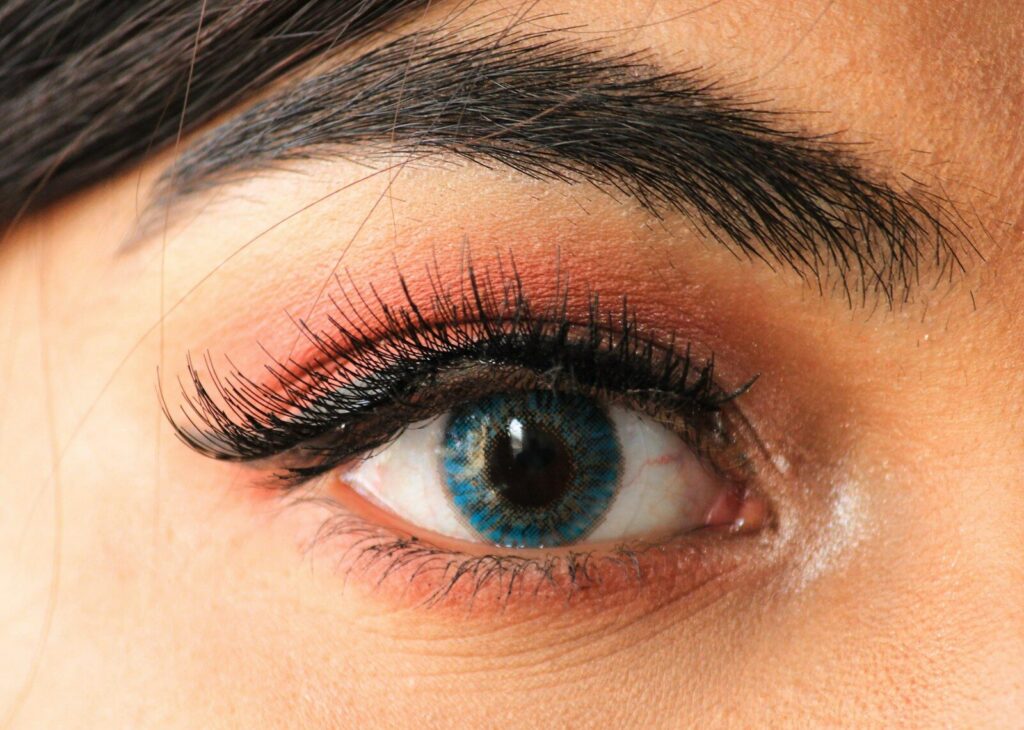
Overgrown eyelash extensions can quickly go from soft, full, and polished to uneven, heavy, or uncomfortable. At first, your lash set may look perfectly mapped and beautifully lifted. But after a few weeks of natural lash growth and shedding, it can become harder to know whether you need a simple refill or a complete removal and fresh start.
The right choice depends on more than appearance. Your natural lash health, retention, lifestyle, comfort, and current lash map all matter. A refill may be the best option when your lash line is still healthy and balanced. A full removal may be better when extensions are too grown out, twisted, sparse, heavy, or placing stress on your natural lashes.
At Estetica, our goal is to protect your natural lashes while creating a polished, comfortable, and personalized result. This guide explains how to decide between a lash fill and a full reset, so you can maintain beautiful extensions without compromising lash health.
When Should You Fill Overgrown Eyelash Extensions?
A lash fill is usually the best choice when your current extensions are still in good condition and your natural lashes remain healthy. In this case, your lash artist can remove grown-out extensions, refill sparse areas, and refresh the overall shape without needing to start from zero.
A refill may be right for you if:
- Your natural lashes still look strong and healthy.
- You are within the usual refill window, often around 2 to 3 weeks.
- The lash line has small gaps but still looks mostly balanced.
- Most extensions are still properly attached.
- There is no irritation, discomfort, or visible damage.
- You want to maintain your current lash style with minimal downtime.
A fill is ideal when the foundation is still good. Your lash artist can clean up the set, remove extensions that have grown too far out, and apply new lashes where needed. This keeps your look fresh while respecting your natural lash cycle.
When Should You Remove Eyelash Extensions and Start Over?
Sometimes a refill is not enough. If the extensions are too grown out, uneven, twisted, or heavy, trying to fill over the existing set can make the result look patchy and may increase stress on your natural lashes.
A full removal may be better if:
- Your extensions are sitting too far from the lash line.
- The lash line looks uneven, tangled, or crisscrossed.
- You notice thinning, breakage, or weak natural lashes.
- The extensions feel heavy, stiff, or uncomfortable.
- There is adhesive buildup or poor lash separation.
- Your current lash style no longer suits your eye shape or routine.
- You missed several refill appointments.
Starting over gives your lash artist a clean base. This allows for better lash mapping, improved symmetry, and a healthier application that fits your current natural lashes.
Fill vs. Removal: How to Know the Difference
The simplest way to decide is to look at the health and structure of the lash line.
| Situation | Best Option |
|---|---|
| Minor gaps after 2 to 3 weeks | Fill |
| Healthy natural lashes | Fill |
| Balanced lash line with good retention | Fill |
| Extensions are twisted or crisscrossed | Removal |
| Lash line feels heavy or stiff | Removal |
| Natural lashes look weak or sparse | Removal |
| You want a completely new style | Removal |
| You missed multiple refill appointments | Removal |
A fill refreshes a healthy set. A removal corrects a compromised set.
Signs Your Lash Extensions Are Too Grown Out
Overgrown lash extensions are not just a cosmetic issue. When extensions grow too far away from the lash line, they can twist, droop, pull, or create uneven weight distribution on your natural lashes.
Common signs include:
- Extensions pointing in different directions.
- A heavy or droopy lash line.
- Visible gaps or patchiness.
- Lashes crossing over each other.
- Extensions sitting far from the base of your natural lashes.
- Difficulty brushing through the lashes.
- Increased shedding or discomfort.
- A stiff, crowded, or messy appearance.
If your lashes feel difficult to brush, look tangled, or seem heavier than usual, it may be time to have them professionally assessed before booking another fill.
Why Natural Lash Health Comes First
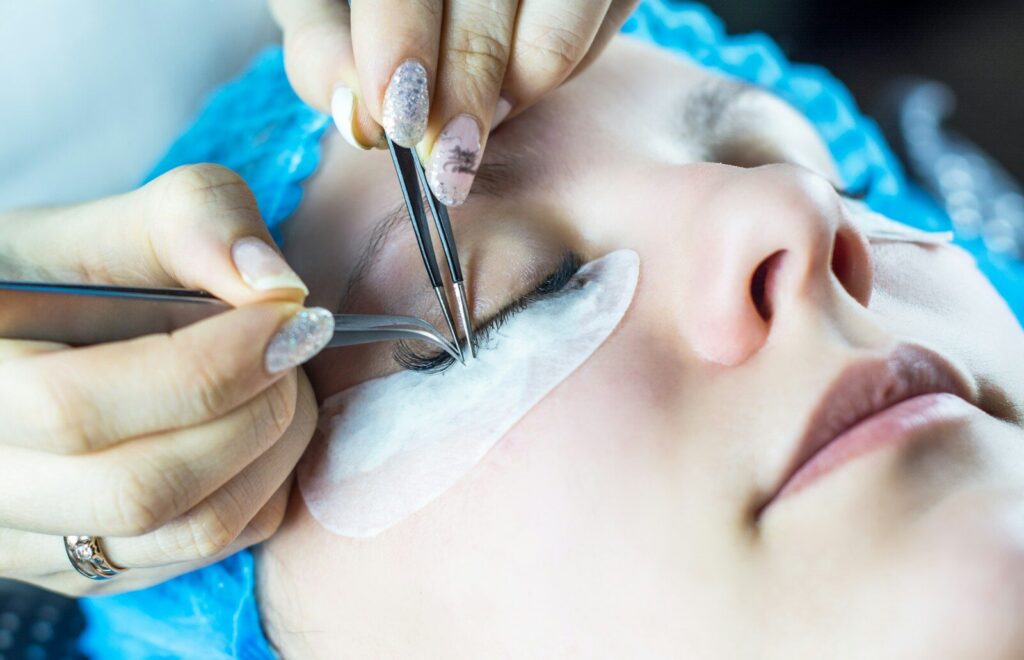
Healthy natural lashes are the foundation of every beautiful extension set. If your natural lashes are strong enough to support extensions, a fill can be safe and effective. But if they are brittle, sparse, or damaged, adding more extensions may make the problem worse.
A professional lash artist should evaluate:
- Natural lash strength.
- Lash density.
- Shedding patterns.
- Signs of breakage.
- Lash separation.
- Weight distribution.
- Eye sensitivity or irritation.
If lash health is uncertain, removal may be the safer choice. A clean reset can reduce stress on the natural lashes and create a better foundation for your next set.
How Lifestyle Affects Your Lash Retention
Your daily habits can affect whether a fill or removal makes more sense. Even a well-applied lash set can break down faster if your routine creates extra friction, oil exposure, or moisture.
Factors that can affect retention include:
- Frequent workouts or sweating.
- Swimming.
- Oil-based skincare products.
- Waterproof makeup.
- Sleeping face-down.
- Rubbing your eyes.
- Irregular fill appointments.
- Contact lens use.
- High humidity or frequent travel.
If your lifestyle has changed, a fresh set may help your lash artist adjust the curl, length, density, and mapping to better match your routine.
What Happens During a Lash Fill?
During a lash fill, your lash artist refreshes the existing set rather than removing everything. The goal is to restore fullness while keeping the lash line clean, balanced, and healthy.
A typical fill may include:
- Cleansing the lash line.
- Checking natural lash health.
- Removing grown-out or unstable extensions.
- Correcting minor gaps.
- Rebalancing the lash map.
- Applying new extensions where needed.
- Brushing and refining the final look.
A fill is usually faster than a full removal and new set. However, it only works well when the existing set is still clean, healthy, and properly attached.
What Happens During Removal and a Fresh Set?
A removal and fresh start gives your lash artist the opportunity to work with a clean lash line. This is often the better option when the current set is too grown out, tangled, heavy, or uneven.
A full reset may include:
- Professional removal of existing extensions.
- Cleansing the natural lashes.
- Assessing lash health.
- Allowing recovery time if needed.
- Creating a new lash map.
- Choosing updated curl, length, and density.
- Applying a fresh set with better balance and symmetry.
A fresh set can also be the best option if you want to change your lash style, move from dramatic to natural, adjust the curl, or improve comfort.
Can You Keep Filling Lash Extensions Forever?
Not always. While regular fills are part of normal lash maintenance, repeated fills without proper cleanup can eventually lead to buildup, uneven mapping, and poor retention.
You may need a removal and reset if:
- The set has lost its original shape.
- Too many extensions have grown out.
- The lash line is no longer clean.
- Retention has become inconsistent.
- The style looks uneven even after fills.
- The natural lashes need a break.
A professional reset can help maintain better long-term lash health and improve the appearance of future sets.
How Often Should You Get a Lash Fill?
Most clients need a lash fill every 2 to 3 weeks. However, the ideal timing depends on your natural lash growth cycle, aftercare, lifestyle, and desired fullness.
You may need more frequent fills if you:
- Prefer a very full look.
- Have faster lash shedding.
- Exercise often.
- Use skincare products near the eyes.
- Travel frequently.
- Sleep in a way that creates friction on the lashes.
You may be able to wait longer if you have excellent retention, gentle aftercare, and a softer lash style.
Lash Extension Aftercare Tips
Good aftercare can help your extensions last longer and keep your natural lashes healthier.
To protect your lash extensions:
- Cleanse your lashes daily with a gentle, oil-free cleanser.
- Avoid rubbing, pulling, or picking at your extensions.
- Brush your lashes gently with a clean spoolie.
- Avoid waterproof mascara.
- Keep oil-based products away from the lash line.
- Sleep in a position that minimizes pressure on your lashes.
- Book fills within the recommended maintenance window.
- Contact your lash artist if you notice irritation, discomfort, or unusual shedding.
Consistent aftercare helps prevent tangling, buildup, premature shedding, and unnecessary stress on your natural lashes.
Quick Checklist: Fill or Remove?
Use this checklist before your next appointment.
Choose a fill if:
- Your lashes still feel comfortable.
- Your natural lashes look healthy.
- The lash line is mostly even.
- You only have small gaps.
- You are within the 2 to 3 week refill window.
- You want to maintain your current style.
Choose removal and a fresh set if:
- Your lashes feel heavy or uncomfortable.
- The extensions are twisted or tangled.
- You see significant gaps or patchiness.
- Your natural lashes look weak or sparse.
- You missed multiple fills.
- You want a different lash style.
- The current set no longer looks balanced.
When in doubt, book a professional lash consultation. A trained lash artist can evaluate your natural lashes and recommend the safest option.