
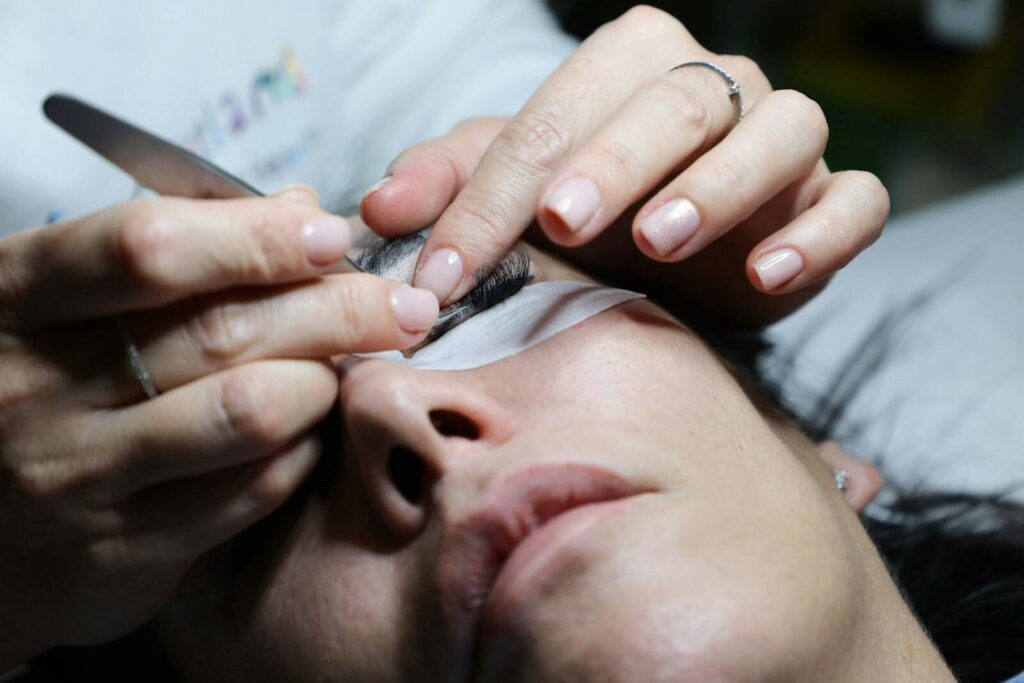
Twisted or Grown-Out Extensions: Signs It’s Time for a Full Remove is a concern many clients voice when they notice their lash look shifting from polished to unsettled. At Estetica, we understand the anxiety around deciding whether to refill or start fresh. You may be weighing if a quick fix could salvage the style or if the health of your natural lashes deserves a more decisive approach. This guide speaks to that moment of decision, clarifying what signals a full removal may be the kinder, longer-lasting choice for your eyes and your lash health. It outlines practical signs to watch for, what to expect during removal, and how to plan a future look that aligns with your lifestyle and goals.
In the pages ahead, you’ll find a clear framework for distinguishing between temporary tweaks and structural needs. The aim is to empower you to make a confident choice with your lash artist—one that respects your natural lashes, eye shape, and daily routine. We’ll cover the root causes behind twisting and growth-out, concrete red flags, and a step-by-step view of what a full removal involves. By the end, you’ll know when to book a removal, what questions to ask at your appointment, and how to transition into a maintenance plan that protects lash health while still delivering the look you want.
Understanding why extensions twist or grow out
What causes extensions to twist or sit unevenly?
Twisting and misalignment often arise when extensions are not fully compatible with the natural lash trajectory or when aftercare isn’t aligned with the adhesive science behind lash extensions. External factors like sleeping on your face, rubbing your eyes, or applying oil-based products near the lash line can cause extensions to shift or kink over time. Technique matters too—if the lash artist uses extensions that are too long or too heavy for a given lash, the result can be a bent or curled look that doesn’t sit flush with the natural lash line. It’s common for clients to notice that a once-straight extension now appears to curve away from the lid or cluster in odd directions as the natural lash grows out and the extension’s base loses its initial alignment.
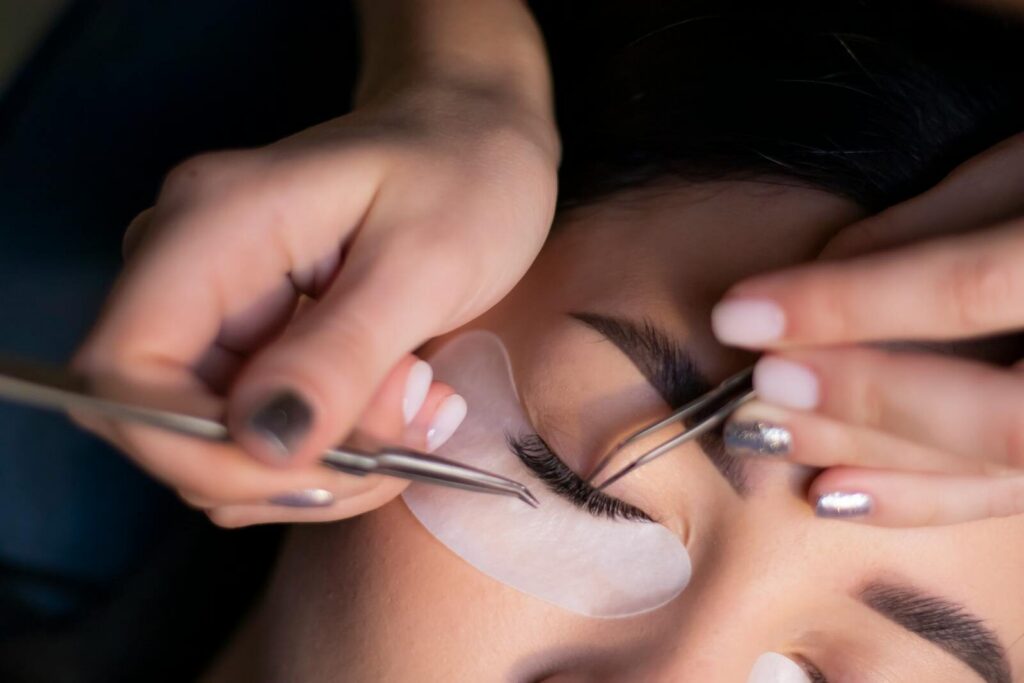
The role of the natural lash cycle and growth patterns
Natural lashes grow in cycles, with periods of active growth and shedding. An extension sits on a lash that may be changing length and angle during its cycle, which can make the extension look twisted or uneven over time. This is not a failure of technique by itself; it may simply reflect how a client’s lash line evolves as lashes go through telogen and anagen phases. It’s important to recognize that each eye has its own micro-pattern of growth, so frequent adjustments may be needed to maintain a cohesive look. A full removal becomes a reasonable option if the existing set no longer harmonizes with the current lash shape and health.
Impact of maintenance and lash health
Maintenance matters as much as the initial application. Extended wear, irregular fills, or inconsistent aftercare can contribute to a look that drifts from the original intention. Keeping lashes clean, avoiding oil-heavy cleansers near the lash line, and scheduling timely fills helps preserve retention and lash health. When health indicators start to trend downward—such as increased shedding beyond the natural cycle, noticeable thinning at the base, or recurring irritation—it may be time to consider a full removal and a reset plan. For safety guidance, see resources from the American Academy of Ophthalmology, which discuss safety considerations for lash extensions and eye health.
“A twisted set often signals more than aesthetics—it hints at lash stress that benefits from a professional assessment.”
Red flags: Signs it’s time for a full removal
Twisting, curling in unusual directions
When you notice lashes that bend away from the lid in inconsistent directions, or a strong curl that doesn’t match your natural curl type, it can indicate mismatches between extensions and your lash growth pattern. If the twist feels permanent or progresses despite careful cleansing and gentle handling, a full removal may help reset the baseline and prevent further stress on your natural lashes.
Clumping and uneven lash growth
Glued-together clusters, visible gaps, or a ‘row of sticks’ appearance where clusters bear more load than the surrounding lashes can be a sign that the current set isn’t working with your lash line. If clumping becomes persistent, it’s often more beneficial to remove the extensions entirely and then start fresh with a design that respects your lash density, diameter, and curl type.
Visible damage to natural lashes
Breakage, thinning at the lash line, or lashes that feel brittle are strong indicators that the current extension system is compromising natural lash health. If you notice persistent dryness, lash shedding beyond the normal cycle, or a compromised lash base, a full removal can help reduce stress and set the stage for healthier growth going forward.
Irritation or eye discomfort
Persistent itching, burning, or sensitivity around the lash line that doesn’t improve with cleansing may signal products or adhesives no longer tolerable for your eye area. While irritation can have several causes, ongoing discomfort is a red flag that warrants a professional assessment—often best addressed by a removal and reassessment of styling choices.
“A careful removal protects the health of your natural lashes while preserving future styling options.”
Removal vs refill: what to expect
Why a full removal may be safer for long-term lash health
When a lash line is fatigued, damaged, or no longer responds predictably to fills, a full removal isn’t a defeat—it’s a prudent reset. Removing all extensions allows the natural lashes to recover and shed in their normal cycle without the added weight or chemical stress from an older adhesive. It also provides a clean slate for discussing a design that aligns with your current lash health, eye shape, and daily routine. This approach tends to yield results that are more consistent in the weeks that follow, rather than chasing a rapidly fading or uneven look through successive fills.
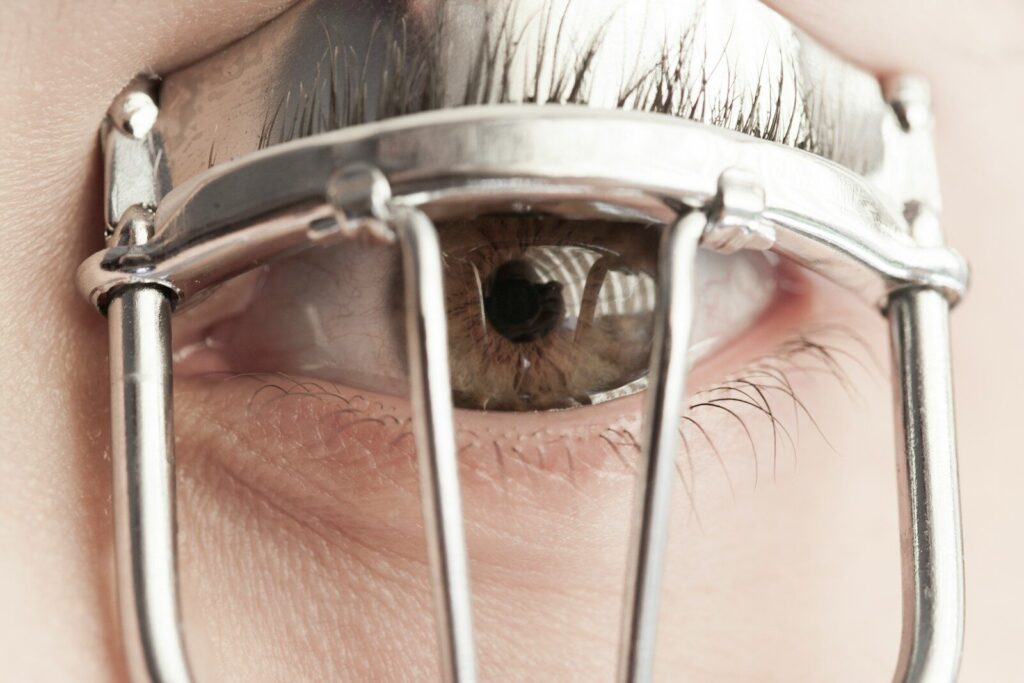
What happens during a removal appointment at Estetica
Our removal process is designed to protect your natural lashes while ensuring the look you want is still achievable. A careful assessment is performed first to gauge lash health and determine the safest removal method. We then work to loosen and remove extensions with gentle, approved techniques, minimizing strain on the natural lashes. After removal, your lashes are cleansed to remove any adhesive residue, and a quick health check is performed to identify any immediate care needs. You’ll leave with a clear aftercare plan and a sense of what to expect next, whether you choose to wait for a natural growth phase before re-lashing or schedule a refinished set after a controlled recovery period.
Time, results, and aftercare planning
The timing of a full removal varies with the complexity of the set, the amount of adhesive used, and your lash health. A typical removal may take a short session to complete, followed by guidance on aftercare. The most important part of the recovery is staying away from oil-based products on the lash line, avoiding rubbing the eyes, and following a gentle cleansing routine. A tailored plan can help you maintain lash health while you decide on the next design—whether that’s a light, natural look or a more defined set designed to work with your updated lash growth pattern.
- Pre-removal lash health assessment and consent.
- Gentle loosening and removal of extensions using approved methods.
- Comprehensive cleansing to remove adhesive residue.
- Post-removal lash health check and treatment plan (hydration and gentle handling).
- Immediate aftercare instructions and what to avoid for 24–48 hours.
- Scheduling follow-up or a tailored lash-growth-and-care plan for the weeks ahead.
A practical decision guide: when to remove now vs wait
- Visible damage to natural lashes or recurring breakage despite proper aftercare.
- Persistent irritation or discomfort that doesn’t improve after cleansing.
- Frequent odd growth patterns or heavy twisting that compromises the eye line.
- Difficulty maintaining a cohesive look with fills due to growth shifts or aging lash health.
These considerations tend to point toward a full removal as a proactive, health-centered decision. If you’re unsure, the safest next step is a professional assessment with your lash artist to map out a plan that prioritizes lash health, comfort, and a look that suits your lifestyle.
If you’re in northern New Jersey and want a tailored assessment of whether a full removal is right for you, schedule a consultation at Estetica to discuss your lash health and maintenance plan.