
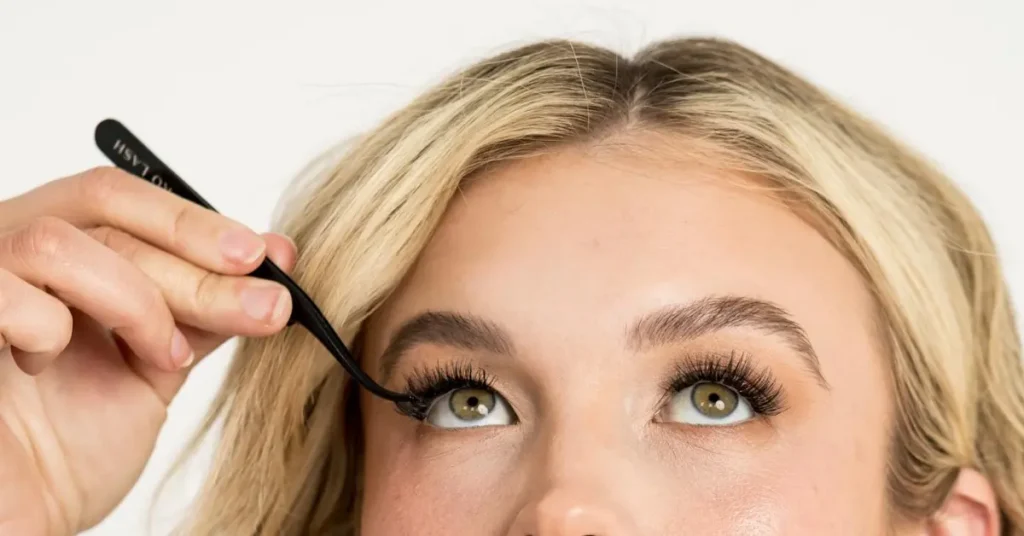
Do Longer Lashes Always Look Better? The Case for Proportional Mapping isn’t just a headline—it’s the guiding principle behind how Estetica designs every lash set. Many clients arrive with the instinct that more length equals more impact, but the truth is subtler: a balanced design, tailored to your eye shape, lid contour, and natural lash health, tends to read as more elegant and lasting. Proportional mapping asks where length should live, not simply how long it can be, so the result supports your features rather than competing with them.
In practice, results depend on multiple factors—eye shape, lash cycle, lifestyle, and aftercare all shape what looks good on you. The aim isn’t to chase the longest lash possible, but to map length, curl, and spacing so the overall line harmonizes with your eye. This article walks you through the ideas behind proportional mapping, how it differs from a length-first approach, and practical steps you can discuss with your lash artist. By the end, you’ll have a clearer framework to evaluate a mapped design and feel confident stepping into your appointment.
Proportional mapping and eye harmony: the guiding principle
Proportional mapping treats length as a piece of a larger composition. Your eye’s natural contour changes across the lid, and the inner corner, central lid, and outer edge each respond differently to light, shadow, and lid movement. When length is distributed with intention, the eye reads as more balanced and the look can retain its impact longer between fills—without appearing artificially heavy.
The role of eye shape in lash design
Eye shape matters most. Almond eyes often tolerate slightly longer outer lashes to lift the gaze, round eyes can benefit from a gentler arc that broadens the lid’s visible area, and hooded lids may need shorter inner lashes to prevent weight on the upper lid from closing the eye’s perceived opening. Rather than applying a single length everywhere, a mapped design adapts to these shapes, preserving a natural rhythm that suits daily life and events alike.
Proportional mapping starts with listening to eye shape and natural lash line rather than chasing a single dramatic length.
Curl, diameter, and length: a balancing act
Length matters, but curl and diameter profoundly influence how length is perceived. A curl that lifts or opens the eye can make a given length read lighter or heavier depending on the orientation of the lash. A finer diameter keeps density refined and avoids a crowded look, while a slightly stronger curl can enhance visibility without increasing lash weight. The goal is a cohesive arc across the lash line—longer segments where the eye breathes, shorter ones where the lid folds over itself.
The mapping process in practice: how we plan a set
In real-world appointments, proportional mapping is a collaborative design session. We assess natural lash health and the current growth cycle and discuss how you wear makeup, your typical sleep position, and your daily regimen. These factors influence how well a mapped design will hold up between fills. A mapped plan should feel honest about maintenance and adaptable to your lifestyle, not rigid or prescriptive.
Zone-based thinking: inner corners, middle, outer corners
Think of the lash line in three zones. The inner corners often benefit from shorter lashes to avoid crowding near the tear duct. The middle zone can carry a comfortable progression in length to maintain a readable arc, while the outer corners may receive a touch more length or a controlled lift to create a natural-looking finish. This zone approach reduces the risk of a single, overly long section that reads as forced rather than designed.
Transition and continuity between zones
Transitions matter for a believable result. A gradual step from inner to outer lengths tends to read as a natural line rather than a segmented one. We aim for a continuous, harmonious curve that follows the eye’s shape, balancing the lid’s contour with the brow’s architecture. When transitions are smooth, the look maintains its proportional integrity across zoomed-in and natural-light views alike.
“Length is a tool; proportion is the design language that keeps the eye read as harmonious.”
A practical 7-step approach to proportional mapping
- Assess natural lash health and growth cycles—note shedding patterns and which areas recover slower or faster.
- Analyze eye shape and lid contour—identify zones that tolerate longer lashes and those that should stay subtler.
- Map zones with target lengths—inner, center, and outer segments receive tailored plans rather than a single universal length.
- Choose curl type and diameter per zone—curl changes perceived length, while diameter affects fullness and weight.
- Consider density and spacing—avoid crowding by leaving tiny gaps between lashes, especially in outer zones.
- Test a mapped concept on the client—use a dry run, patch test, or harmless mock-up to confirm the plan before adhesion.
- Document and adjust for future fills—keep notes on what worked and adapt length progression as natural lashes grow back.
Common pitfalls and signs your look isn’t balanced
When mapping isn’t aligned with your eye’s rhythm, the result can feel heavy, top-heavy, or visually off. Common missteps include applying too-long lengths in a single zone (often the inner corner), ignoring the natural lash cycle, or using one universal length across all zones. The right proportional approach respects your eye’s silhouette and supports long-term retention rather than a single moment of wow.
Common mistakes that undermine proportion
- Over-allocating length in a single zone, especially the inner or outer corner.
- Ignoring the natural lash cycle, which can lead to uneven fills and gaps.
- Using a single universal length across all zones, flattening the eye’s natural shape.
- Neglecting curl and diameter interplay, which can make length appear heavy or sparse.
Signs your look isn’t balanced or lashes crowd
- Visible crowding or lashes sticking together in one area.
- Uneven fullness or spiky appearance mid-eye.
- Gaps or irregular lash line that disrupts the arc.
- Increased shedding around the lash line or a tugging sensation when cleansing.
Aftercare and lifestyle factors that support proportional results
Aftercare isn’t an afterthought—it helps preserve the mapped balance you’ve worked to achieve. Consistent routines reduce lash shedding caused by oil, friction, or improper cleansing. When you align daily care with your mapped design, you’re giving your lashes the best chance to retain proportion while your natural lashes grow and shed on their cycle.
Aftercare basics for maintaining lash health
Saveable care checklist
- Avoid oil-based cleansers near the lash line for the first 24–48 hours after application, then minimize exposure to oils near the eyes to protect the adhesive.
- Sleep on your back or on your side with minimal lash-to-pillow contact to reduce friction and tangling.
- Brush lashes daily with a clean spoolie to maintain alignment and prevent clumping.
- Use mascara sparingly and opt for water-based formulas if you must use products near the lashes; remove gently without rubbing.
- Keep up with scheduled fills per your artist’s guidance to preserve the intended proportion and lash health.
- Avoid rubbing the eyes; if irritation occurs, contact your lash artist or a medical professional promptly.
- Choose non-oily makeup removers and avoid harsh scrubbing around the lash line to protect adhesive bond.
For safety and long-term results, it’s reasonable to refer to professional guidelines from ophthalmology and dermatology authorities when you have questions about eye safety and products. For example, the American Academy of Ophthalmology offers resources on eyelash extensions and eye health, and professional dermatology organizations emphasize careful product usage around the eye area.
External resources can provide context on safety and best practices, and your Estetica lash artist will tailor recommendations to your specific case. If you experience persistent irritation, adverse reactions to adhesive, or unusual lash shedding, seek professional guidance promptly.
Ultimately, the decision to map for proportion versus chasing length comes down to your lifestyle and how you want to live in your lashes. If you value everyday balance that still reads as refined at a glance, proportional mapping is worth exploring as part of your next consultation.
To start a mapped approach that respects your eye shape, lash health, and daily routine, consider booking a consultation at Estetica. Our team can review your natural lashes, discuss your lifestyle, and sketch a zone-based plan that honors your features and maintenance preferences.