

If you have sensitive skin in Glen Rock, NJ, the thought of waxing might bring up more worry than excitement. You may have tried waxing before and ended up with redness, bumps, or that dreaded stinging sensation that lasted longer than the smoothness. Or maybe you have avoided it entirely because you are not sure how your skin will react. The good news is that with the right preparation, a skilled esthetician, and a few smart choices, you can get the smooth results you want without turning your skin into a battlefield. This article will walk you through what actually causes irritation, how to prepare your skin before your appointment, and how to choose the right waxing service for your sensitive skin, so you can feel confident and calm before you book.
Why Sensitive Skin Reacts to Waxing (and What You Can Do About It)
Waxing removes hair from the root, which naturally causes some temporary inflammation. For sensitive skin, that inflammation can be more pronounced, leading to redness, bumps, or a burning feeling. But irritation is not inevitable. It often comes down to the type of wax used, the technique, and how well your skin is prepped. A professional esthetician who understands sensitive skin will use a gentle, low-temperature wax, apply it in thin layers, and remove it quickly with the right tension. They will also avoid double-dipping and use calming products before and after. If you have a history of reactions, you can ask for a patch test on a small area before your full appointment. That simple step can save you from a full-body surprise.
What Causes the Most Irritation
- Hard wax vs. soft wax: Hard wax is often better for sensitive skin because it adheres to the hair, not the skin, and is removed without strips. Soft wax can pull at the top layer of skin, increasing redness.
- Temperature: Wax that is too hot can burn the skin, even if it does not feel hot at first. A professional will test the temperature on their wrist first.
- Pre-existing skin conditions: If you have eczema, psoriasis, or active breakouts, waxing can aggravate them. It is best to wait until the area is clear.
- Products used before or after: Retinoids, acids, or harsh exfoliants can make your skin more fragile and prone to tearing. You should stop using them a few days before your appointment.
How to Prepare Your Skin Before a Waxing Appointment
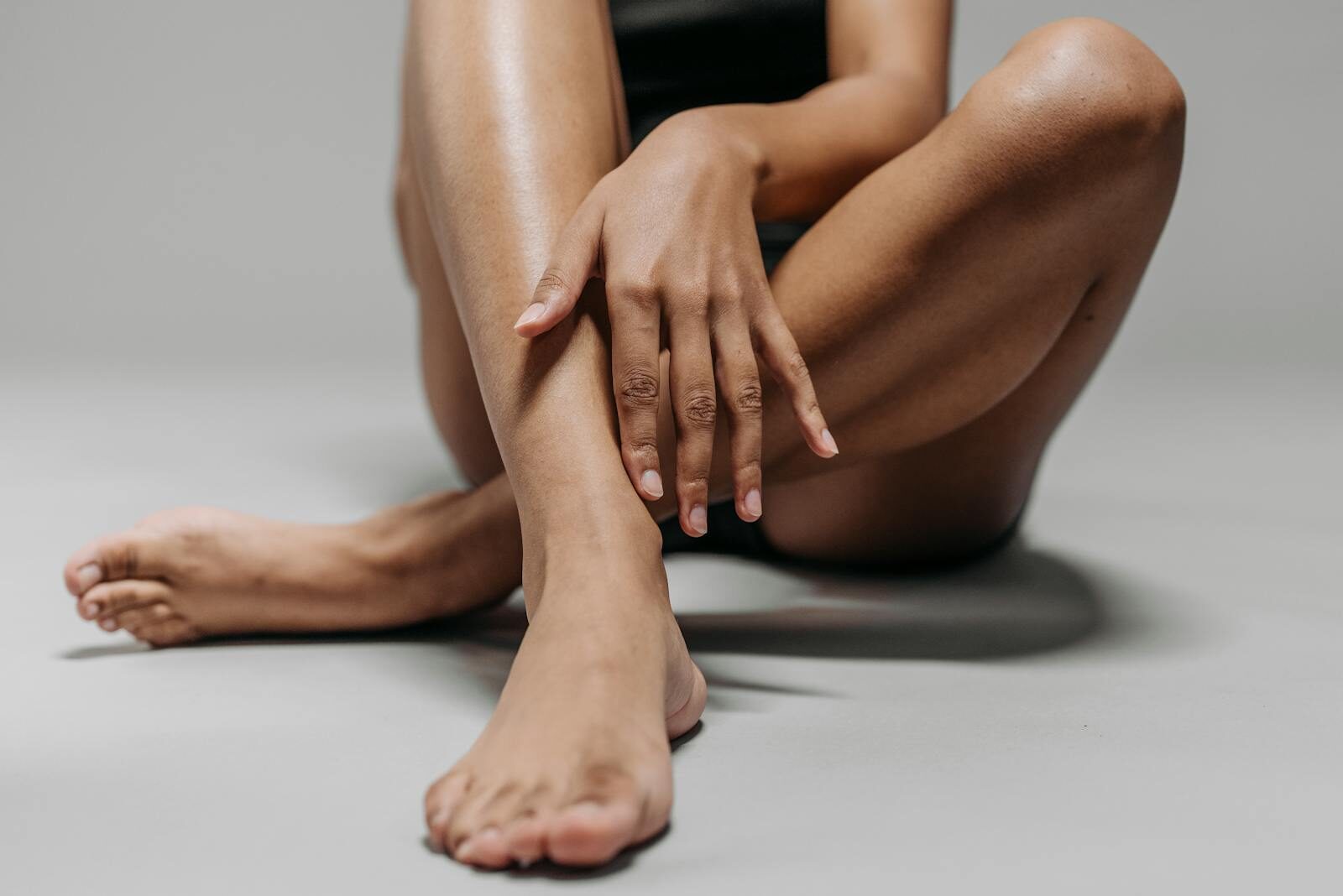
Preparation starts a few days before your appointment, not the morning of. If you are prone to sensitivity, you want your skin to be as calm and healthy as possible. Here is a simple checklist to follow.
Three Days Before
- Stop using any retinoids, glycolic acid, or salicylic acid on the area you are waxing. These ingredients thin the skin and make it more reactive.
- Avoid sun exposure and tanning beds. Sunburned or recently tanned skin is more sensitive and prone to lifting.
- Skip any harsh physical scrubs. You can gently exfoliate with a soft cloth, but do not scrub.
The Day Before and the Day Of
- Moisturize the area daily, but avoid heavy, oil-based lotions on the day of your appointment. They can interfere with wax adhesion.
- Do not apply any numbing creams unless your esthetician has recommended one. They can affect how the wax adheres.
- Shower before your appointment and make sure the skin is clean and dry. Do not apply deodorant, lotion, or oils to the area.
- If you have a low pain tolerance, you can take an over-the-counter pain reliever like ibuprofen about 30 minutes before, but only if it is safe for you.
What to Tell Your Esthetician
Be upfront about your skin type and any past reactions. A good esthetician will adjust the wax type, temperature, and aftercare products. They may also recommend a patch test if you have never waxed with them before. At The Estetica in Glen Rock, NJ, we always ask about your skin history before we start, because we want your experience to be as comfortable as possible.
What to Expect During and After a Sensitive-Skin Wax
During the wax, you should feel a quick pinch, not a burning sensation. If something feels too hot or painful, speak up. Your esthetician can adjust. After the wax, your skin will likely be red for a few hours, and you might see tiny bumps. That is normal. The key is to soothe the skin and avoid anything that could further irritate it.
Immediate Aftercare
- Apply a gentle, alcohol-free soothing product like aloe vera or a post-wax oil that contains calming ingredients like chamomile or lavender.
- Avoid hot showers, saunas, steam rooms, and intense workouts for at least 24 hours. Heat and sweat can clog the freshly opened pores.
- Do not touch the waxed area with unwashed hands. Your hands carry bacteria that can cause folliculitis.
- Wear loose, breathable clothing to avoid friction.
For the Next Few Days
- Continue to moisturize daily, but avoid products with fragrance or alcohol.
- Do not exfoliate for at least 48 hours. After that, you can gently exfoliate to prevent ingrown hairs, but only if your skin is not still red or irritated.
- If you experience persistent redness, swelling, or a rash, contact your esthetician. In rare cases, you may need to see a dermatologist.
How to Choose the Right Waxing Service for Your Skin
Not all waxing is the same. If you have sensitive skin, you want a service that prioritizes gentleness. At The Estetica, we offer a range of waxing services for the face, brows, and body, and we tailor the wax type to your skin. For example, we often use hard wax for sensitive areas like the upper lip and bikini line because it is less likely to cause irritation. We also use a low-temperature wax that is effective but gentle. Before you book, ask about the wax brand and whether they offer a patch test. A reputable studio will be happy to answer.
Signs a Studio Understands Sensitive Skin
- They ask about your skin history and any medications you are taking.
- They offer a patch test if you are new or have had reactions before.
- They use a separate spatula for each dip to avoid contamination.
- They have a post-wax soothing product that is fragrance-free and alcohol-free.
- They do not rush the appointment. A good wax takes time.
Common Mistakes That Worsen Sensitivity (and How to Avoid Them)

Even with the best professional, you can undo the benefits with a few common mistakes. Here is what to avoid.
Mistake 1: Exfoliating Too Soon After Waxing
Exfoliating within the first 48 hours can strip the new skin and cause irritation. Wait at least two days, and then use a gentle scrub or a soft brush.
Mistake 2: Using Scented Products on the Waxed Area
Fragrance can sting and inflame sensitive skin. Stick to unscented, gentle cleansers and moisturizers for at least a week.
Mistake 3: Waxing Over Active Breakouts or Sunburn
Waxing over irritated skin can cause tearing and infection. Wait until the skin is fully healed.
Mistake 4: Booking a Wax Right Before Your Period
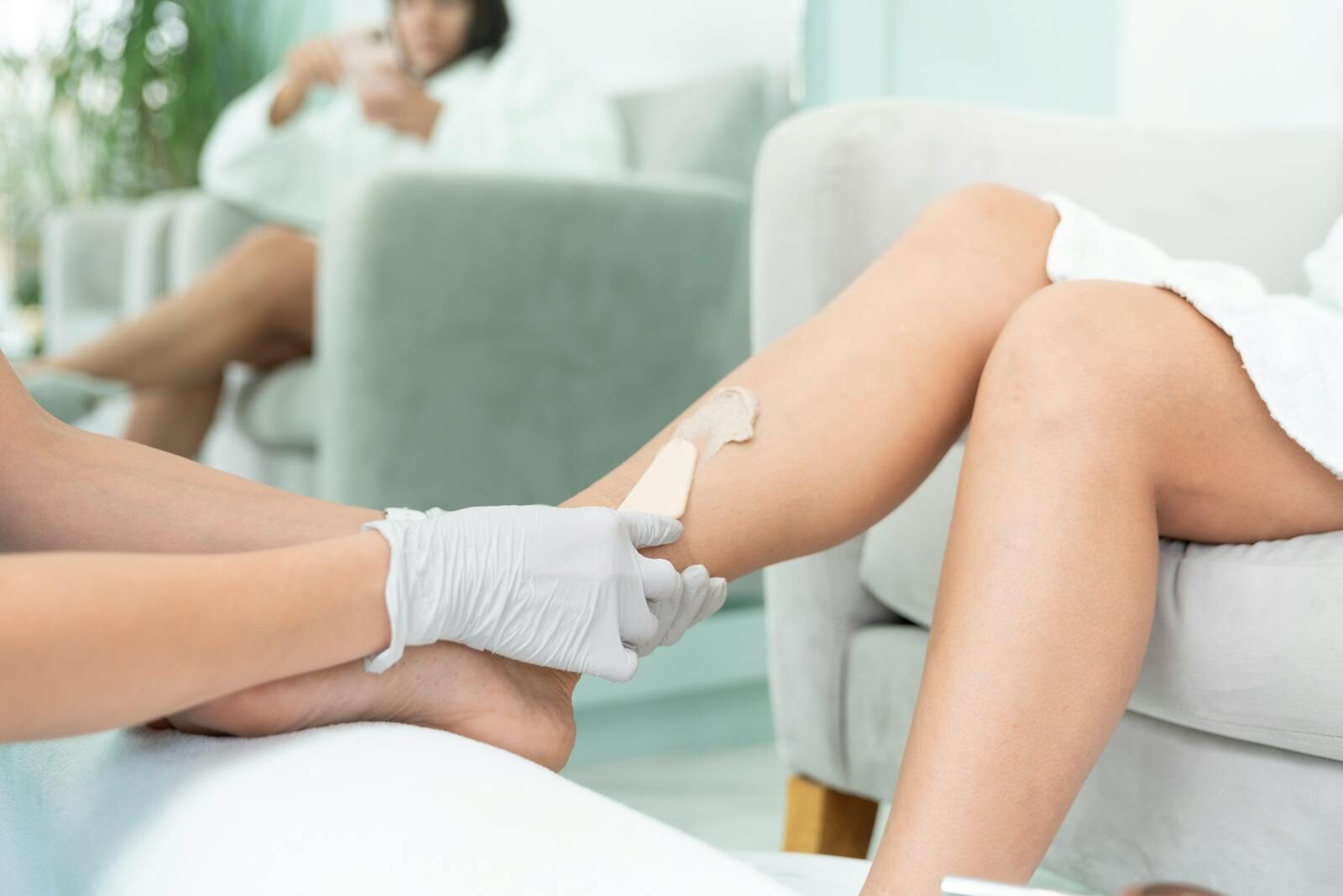
Your skin is more sensitive during your menstrual cycle. If you can, schedule your appointment a week after your period ends.
When to Skip Waxing and Consider an Alternative
Waxing is not the right choice for everyone. If you have a skin condition like severe eczema, psoriasis, or if you are using prescription retinoids, waxing can be too harsh. In those cases, you might consider alternatives like threading, sugaring, or professional hair removal creams. Sugaring is a natural alternative that uses a sugar paste, which is gentler on the skin and can be a good option for sensitive types. Threading is precise and does not use heat or chemicals, but it can be more painful for some. A consultation with an esthetician can help you decide what is best for your skin.
Your Next Step for a Comfortable Wax in Glen Rock, NJ
You do not have to choose between smooth skin and comfortable skin. With the right preparation and a professional who listens, you can have both. If you are in Glen Rock, NJ, and want a waxing experience that respects your sensitive skin, book a consultation at The Estetica. We will assess your skin, answer your questions, and create a plan that works for you. You deserve to feel confident, not worried, about your next appointment.