

You’ve booked a brow or facial waxing appointment in Glen Rock, NJ, but you’re using retinol. Should you pause? The answer isn’t a simple yes or no. Retinol increases cell turnover and thins the stratum corneum, making skin more fragile and prone to lifting during waxing. The right decision depends on your retinol strength, frequency, and how long you’ve been using it. This guide walks through what to assess before your appointment so you can avoid irritation, redness, or peeling.
Why Retinol and Waxing Can Be a Risky Combination
Retinol accelerates skin cell renewal, which means the top layer of skin is more delicate and less adherent. Waxing pulls off a layer of dead skin cells along with the hair. When your skin is compromised by retinol, that pull can remove live skin cells, leading to redness, raw patches, or even minor burns. The risk is higher with prescription-strength retinoids like tretinoin, but even over-the-counter retinol can cause issues if used too close to the appointment.
How Retinol Affects Skin Barrier Function
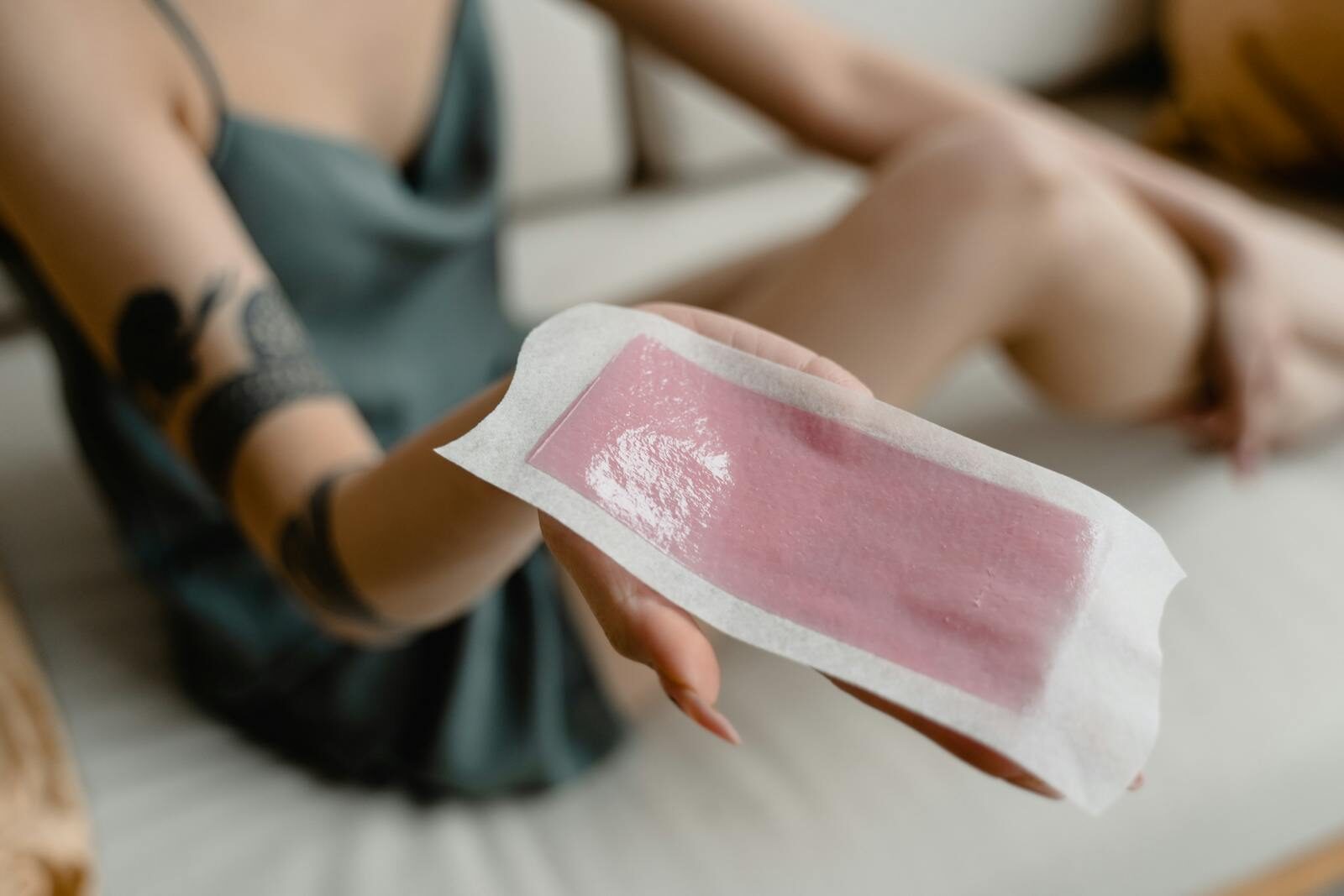
Retinol disrupts the lipid barrier that holds moisture and protects against irritation. This disruption makes skin more sensitive to physical trauma, like waxing. If you’ve been using retinol for weeks, your skin may have adapted, but the barrier may still be more fragile than normal. A simple patch test on a small area can help gauge your skin’s tolerance.
Signs Your Skin Is Too Sensitive for Waxing
If you notice any of these, reschedule your waxing appointment and give your skin a break:
- Persistent redness or flakiness, even after moisturizing.
- Stinging or burning when applying skincare products.
- Visible peeling or rough texture.
- Increased breakouts or irritation in the area to be waxed.
These are clear signals that your skin barrier is compromised, and waxing could worsen the situation.
How Long Should You Stop Retinol Before Waxing?
The general recommendation is to stop using retinol 5 to 7 days before waxing. This allows the skin to rebuild its barrier and reduce sensitivity. However, the exact time depends on your retinol’s strength and your skin’s reaction. For prescription-strength tretinoin, some estheticians recommend a 10-day pause. For low-strength over-the-counter retinol, 3 to 5 days may suffice. Always consult with your waxing professional at The Estetica for personalized advice based on your skin’s response.
Factors That Influence Retinol Pause Duration
- Retinol concentration: Higher percentages require a longer pause.
- Frequency of use: Daily use needs more time than twice-weekly.
- Skin sensitivity: If you have reactive skin, err on the side of caution.
- Other active ingredients: Combining retinol with acids like glycolic or salicylic acid increases irritation risk.
When in doubt, stop earlier rather than later. Your skin’s health matters more than a perfect waxing schedule.
What to Do If You Forgot to Stop Retinol

If you used retinol within the last few days and have a waxing appointment, be honest with your esthetician. They can assess your skin and decide if waxing is safe. In some cases, they may recommend a patch test or suggest rescheduling. At The Estetica, we prioritize your skin’s safety and will guide you to the best option, whether that’s a gentle alternative like sugaring or postponing the wax.
Alternatives to Waxing When Using Retinol
If you can’t pause retinol, consider these hair removal options that are gentler on sensitive skin:
- Sugaring: The paste adheres only to hair, not skin, reducing trauma.
- Tweezing: For brows, tweezing allows precision without pulling on a large skin area.
- Threading: A quick method that doesn’t involve heat or adhesive.
- Depilatory creams: Use with caution, as they can also irritate retinol-treated skin.
Discuss these options with your esthetician to find the safest approach for your skin.
How to Prepare Your Skin for Waxing While Using Retinol
If you’ve paused retinol for the recommended time, you can still take steps to ensure a smooth waxing experience. Hydrate your skin well in the days leading up to the appointment. Avoid other exfoliating products, like scrubs or acids, for at least 48 hours before. On the day of, ensure your skin is clean and free of makeup, lotions, or oils. Your esthetician will appreciate a clean canvas, and your skin will be less likely to react.
Aftercare for Retinol Users Post-Wax
After waxing, your skin is more vulnerable. For the next 24 to 48 hours:
- Avoid retinol and other active ingredients on the waxed area.
- Apply a soothing, fragrance-free moisturizer or aloe vera.
- Skip makeup on the waxed area for at least a day.
- Avoid sun exposure and use SPF if you go outside.
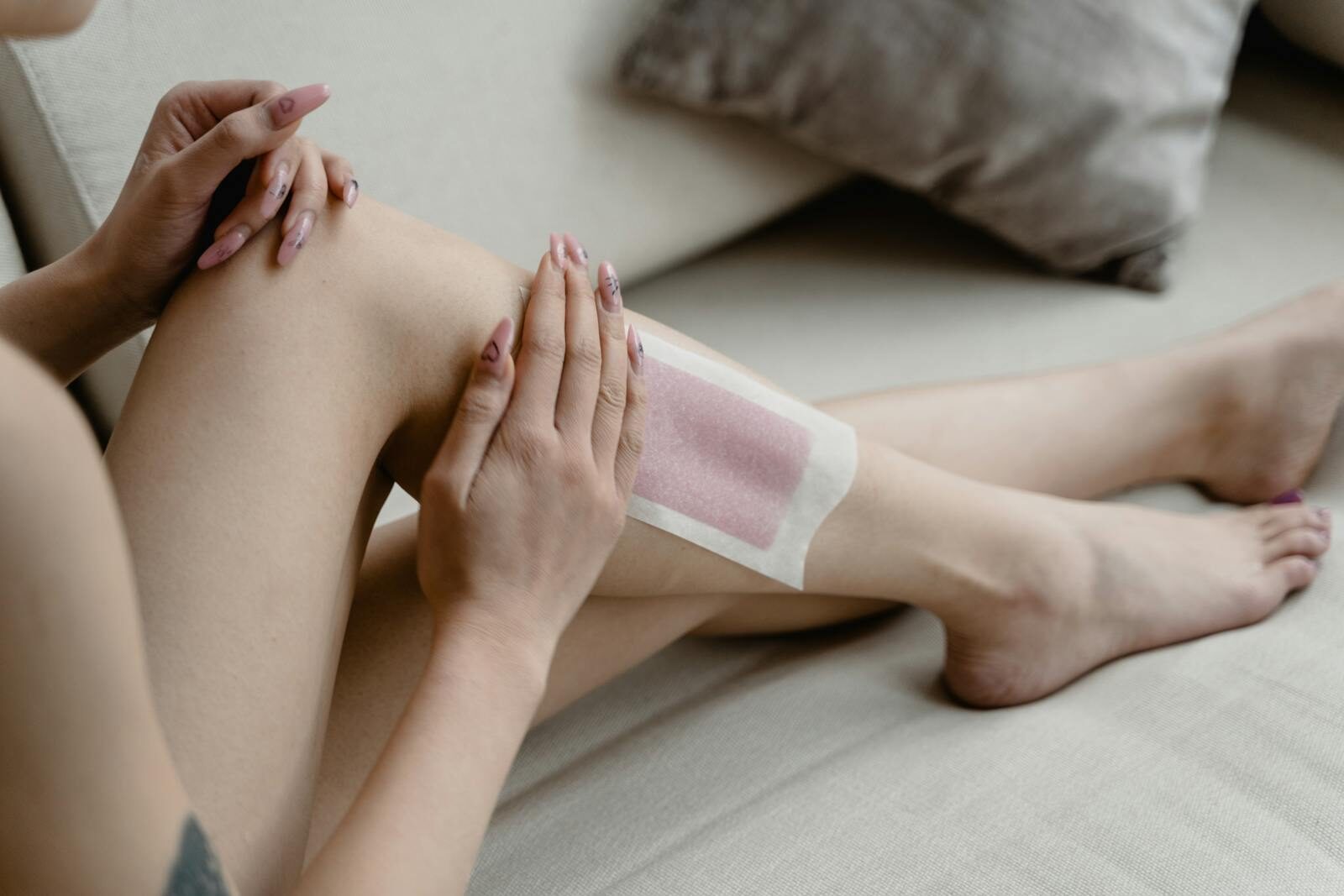
Once your skin feels back to normal, you can resume retinol gradually, starting with every other night.
Consult a Professional Before Your Waxing Appointment
Every skin is different, and the interaction between retinol and waxing isn’t one-size-fits-all. A professional esthetician can evaluate your skin’s condition, review your retinol routine, and recommend the safest timing. At The Estetica in Glen Rock, NJ, we offer personalized consultations to help you navigate these decisions. Before your next waxing appointment, reach out to discuss your retinol use and any concerns. Your skin’s health is the priority, and a short conversation can prevent a painful reaction.
If you’re unsure about your retinol routine and waxing, book a consultation at The Estetica. We’ll help you plan your appointment safely and ensure your skin stays healthy and glowing.