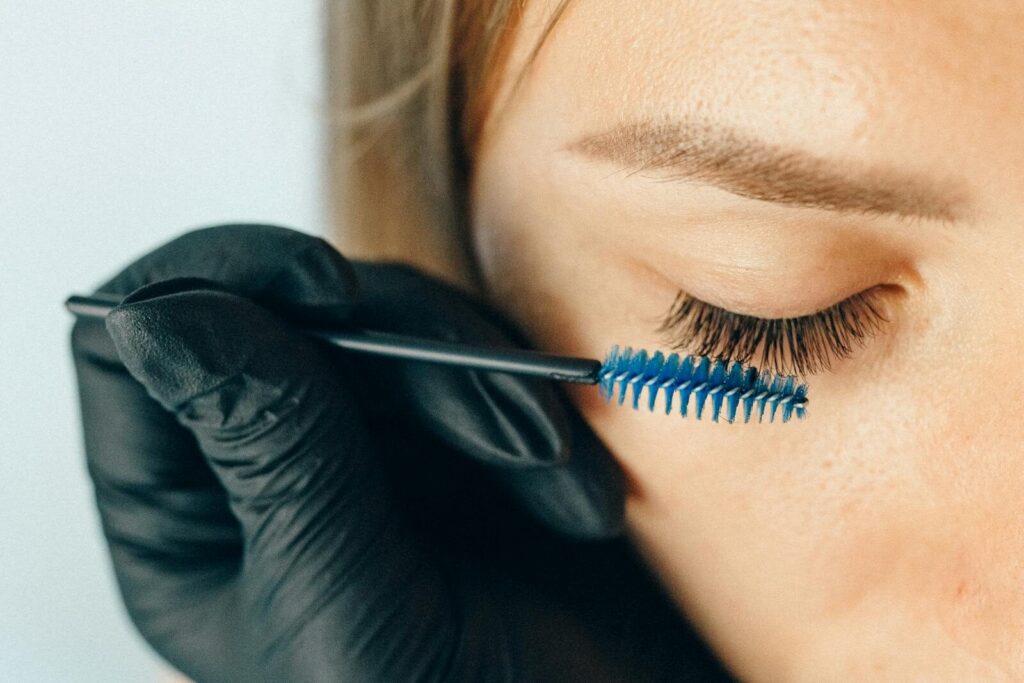
You’ve seen the photos, you’ve read the reviews, and you’re ready to book lash extensions in Glen Rock, NJ. But there’s one thing holding you back: the fear of an allergic reaction to the adhesive. It’s a real concern, and it deserves a straight answer, not a dismissive “you’ll be fine.” The truth is, adhesive reactions are possible, but they are manageable, and the right specialist will take your worry seriously. This article walks you through exactly how to bring up your concerns, what to ask, and what to expect during a consultation at a studio like The Estetica.
Why Adhesive Reactions Happen and How Common They Are
Lash adhesive contains cyanoacrylate, the same family of ingredients used in some medical glues. A reaction is not an allergy to the lash itself; it’s a sensitivity to the adhesive’s fumes or, less commonly, to the polymer once cured. True allergies are rare, but irritation from fumes, especially if your eyes are closed during application, can happen.

Most reactions are mild and temporary: redness, itching, or watering that resolves within a day. Severe reactions, like swelling or blistering, are uncommon but require immediate attention. The key is that a professional application, proper isolation, and appropriate adhesive selection dramatically reduce the risk.
At The Estetica, the first step is a patch test. This involves applying a tiny amount of adhesive to your wrist or behind your ear at least 24 hours before your full set. It’s a simple, standard practice that gives you peace of mind before you commit.
What a Patch Test Does and Doesn’t Tell You
A patch test checks for a true allergy to the adhesive. If you have no reaction, it’s highly likely you’ll be fine during your appointment. However, it doesn’t guarantee zero irritation, because the fumes near your eyes can still cause a temporary sensitivity. That’s why the test is just one part of a thorough consultation.
How to Bring Up Your Fear Without Feeling Awkward
You might worry that asking questions makes you sound difficult. It doesn’t. A specialist who values trust and safety will welcome your questions. Here’s how to start the conversation naturally:
- “I’m really excited about getting lashes, but I have a concern about the adhesive. Can we talk about it?”
- “I’ve heard that some people react to lash glue. How do you handle that here?”
- “Is there a way to test for sensitivity before I book a full set?”
These openers show that you’re informed and responsible, not high-maintenance. A good specialist will respond with specifics, not vague reassurances.
Questions to Ask During Your Consultation
Your consultation is the perfect time to get clarity. Bring a list of questions, and don’t be afraid to take notes. Here are the most important ones:
- What type of adhesive do you use, and does it contain cyanoacrylate?
- Do you offer a patch test, and how far in advance should I do it?
- What do you do if a client has a reaction during the appointment?
- How do you minimize fume exposure during application?
- What aftercare products are safe to use near my eyes?
At The Estetica, the specialist will walk you through each answer, explaining the adhesive’s curing process and how they protect your natural lashes. You should leave feeling informed, not overwhelmed.
What to Expect During the Appointment If You’re Nervous
If you’ve had a patch test and you’re still anxious, that’s okay. The application process itself is designed to minimize risk. Your eyes will be closed for the entire procedure, and the specialist will use a low-fume adhesive if you’re particularly sensitive. They’ll also check in with you periodically to ensure you’re comfortable.
If you feel any burning, stinging, or unusual discomfort during the appointment, say something immediately. A professional will stop, assess, and adjust. It’s rare, but it’s your right to speak up.
Signs of a Reaction and What to Do
After your appointment, watch for these signs over the next 24 to 48 hours:
- Persistent redness or swelling around the lash line
- Itching that doesn’t subside
- Watery eyes that last more than a day
- Blisters or a rash
If you notice any of these, contact your specialist immediately. They can advise on next steps, which might include removing the lashes. If the reaction is severe, seek medical evaluation. Don’t try to remove the lashes yourself, as that can cause more irritation.
How The Estetica Handles Sensitive Clients
At The Estetica in Glen Rock, NJ, personalized care means your concerns are part of the plan. The specialist will start with a detailed consultation, discussing your medical history, any known sensitivities, and your lifestyle. They’ll recommend a lash style that suits your eye shape and natural lash health, and they’ll adjust the adhesive if needed.
You’re not just a client; you’re a partner in the process. The goal is a natural, polished look that you feel confident in, without compromising your comfort or safety.
Aftercare That Reduces Irritation Risk
Proper aftercare also plays a role in preventing reactions. For the first 24 hours, keep your lashes dry and avoid steam, sweat, and oil-based products. After that, use an oil-free cleanser and a lash-safe brush to keep the area clean. Avoid rubbing your eyes, and never use mascara on extensions unless it’s specifically formulated for them.
If you have a history of sensitive skin, mention it during your consultation. The specialist may recommend a lighter adhesive or a different application technique.
Frequently Asked Questions About Lash Adhesive Allergies
Can I be allergic to lash adhesive even if I’ve never reacted to glue before?
Yes, it’s possible, but rare. Sensitivities can develop over time, which is why a patch test is always a good idea, even if you’ve had extensions before.
How long does a patch test take?
A patch test is quick, usually just a few minutes to apply, but you’ll need to wait 24 hours to check for a reaction. Plan it a day before your full appointment.
What if I have a reaction during the appointment?
Tell your specialist immediately. They’ll stop the application, remove any adhesive if necessary, and advise on next steps. In most cases, the reaction is mild and temporary.
Are there hypoallergenic adhesives?
Some adhesives are formulated to be lower in fumes, but no adhesive is 100% hypoallergenic. Your specialist can choose a gentler option if you have a known sensitivity.
Can I still get lash extensions if I have sensitive eyes?
Often, yes. With a patch test, a low-fume adhesive, and careful application, many sensitive clients enjoy extensions without issues. It’s all about personalized care.
Your fear is valid, but it shouldn’t stop you from feeling beautiful. By having an open conversation with a specialist, you can get the answers you need and decide if lash extensions are right for you. Book a consultation at The Estetica in Glen Rock, NJ, and bring your questions. You’ll leave with clarity, not just lashes.