
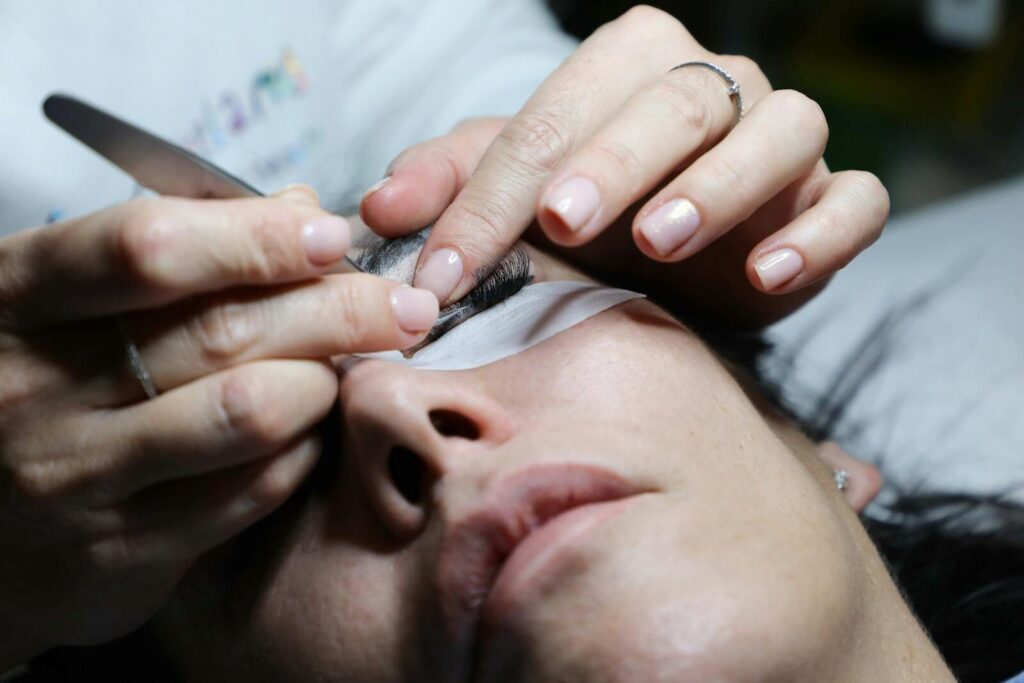
You love your lash extensions, but the mirror is starting to show gaps, and you are not sure if it is time for a fill or if you should just let them grow out. Booking too early wastes money, and waiting too long can leave your lashes looking sparse and uneven. The answer depends on your natural lash cycle, your aftercare habits, and the style you chose. This guide breaks down the typical timeline, the signs that a fill is actually needed, and how to decide without feeling rushed or pressured.
What Is a Lash Fill and How Often Do You Need One?
A lash fill replaces the extensions that have shed with your natural lashes. Most clients need a fill every two to three weeks, but the exact interval varies. Your natural lashes shed on their own cycle, usually every 30 to 45 days, and each extension is attached to one natural lash. When that natural lash falls out, the extension goes with it. The rate of shedding, your daily routine, and how well you follow aftercare all affect how quickly your set thins out.
Why Two to Three Weeks Is the Standard Window
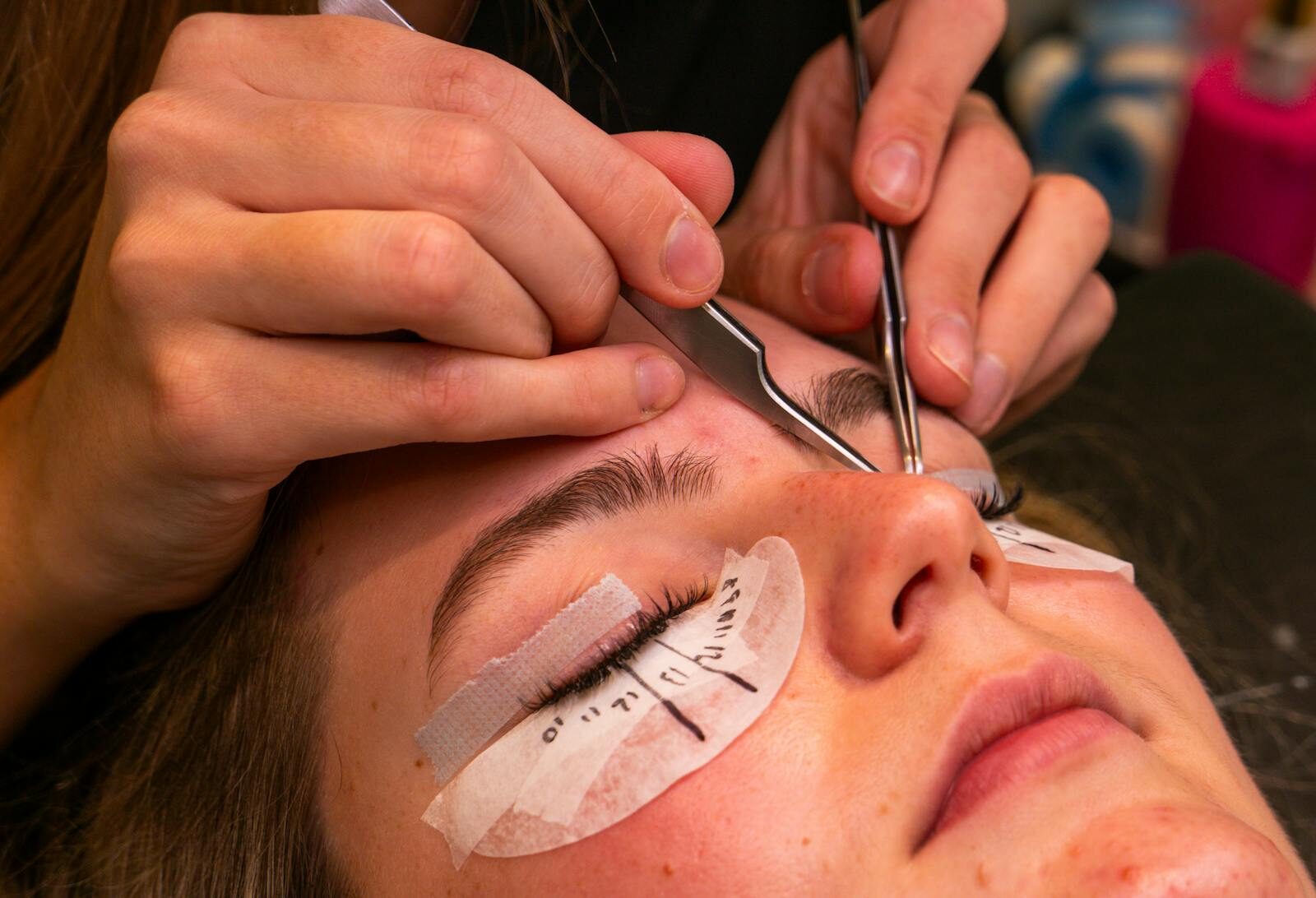
Most lash artists recommend a fill every two to three weeks because that is when the average client has lost enough extensions to notice a difference but still has enough remaining to fill in cleanly. Waiting longer than three weeks often means more than half of your extensions are gone, and the appointment becomes closer to a full new set than a fill. That costs more time and money. Sticking to a consistent schedule keeps your set looking full and prevents the need for a full removal and reapplication.
Signs That You Are Ready for a Fill
Instead of counting days, look for these visual cues:
- Gaps or bald spots along the lash line.
- Extensions that are noticeably longer than the new growth.
- Your lashes look uneven or less dense than they did in the first week.
- You are reaching for mascara to blend the gaps.
If you see any of these signs, it is time to book. If your set still looks full and uniform, you can wait a few more days.
How Long Do Lash Extensions Last Between Fills?
A full set of lash extensions typically lasts four to six weeks, but that does not mean you should go that long without a fill. The initial set will look its best for the first week or two. After that, natural shedding becomes more noticeable. By week four, you may have lost up to 50% of your extensions, depending on your lash cycle. The goal of a fill is to keep your set looking consistently full, not to wait until it is nearly gone.
What Affects How Long Your Extensions Last
Several factors influence retention:
- Your natural lash cycle: Some people shed faster than others.
- Aftercare: Oil-based products, heavy eye creams, and sleeping on your face can loosen the adhesive.
- Washing: Regular, gentle cleansing with a lash-safe cleanser actually improves retention by keeping the lash line free of oil and debris.
- Lash style: Heavier volume fans may shed faster than lighter classic lashes because they put more weight on the natural lash.
If you notice your extensions are falling out faster than expected, review your aftercare routine before assuming the application was faulty.
How to Decide If You Should Book a Fill or Start Fresh
When you are unsure whether to book a fill or a full set, consider how many extensions remain. A fill is appropriate when you have at least 30% to 40% of your extensions left and the remaining lashes are healthy. If you have less than that, or if your natural lashes look damaged or overgrown, a fresh set may be a better choice. A consultation with your lash artist can help you decide without guessing.
When a Fill Is the Right Choice
You are a good candidate for a fill if:
- You have been getting fills consistently every two to three weeks.
- Your natural lashes feel healthy and are not breaking.
- You still have a good base of extensions to work with.
- You are happy with the current style and length.
When to Consider a Full New Set
You may need a full set instead of a fill if:
- It has been more than four weeks since your last appointment.
- You have removed most of your extensions yourself.
- Your natural lashes look sparse or damaged.
- You want to change the style, length, or curl.
If you are unsure, ask your lash artist to assess your lashes during a consultation. They can tell you whether a fill will restore the look or if a fresh start is more practical.
Common Mistakes That Make You Need Fills Sooner
Some habits can shorten the life of your extensions, making you feel like you need fills more often than you should. Avoiding these mistakes can help your set last longer and keep your natural lashes healthier.
Using Oil-Based Products Near Your Eyes
Oil breaks down the adhesive bond. Check your cleansers, makeup removers, and eye creams for oils or silicones. Even a small amount can cause extensions to slip off prematurely. Switch to oil-free, lash-safe products and avoid applying anything heavy directly on or near the lash line.
Skipping Lash Cleansing
It sounds counterintuitive, but not washing your lashes can actually reduce retention. Dirt, oil, and makeup residue accumulate at the base of the extensions, weakening the bond and creating a breeding ground for bacteria. Gently cleanse your lashes daily with a lash-safe foaming cleanser and a soft brush, then pat them dry with a lint-free cloth.
Rubbing Your Eyes or Sleeping on Your Face
Rubbing or pressing your face into a pillow can bend and dislodge extensions. Try to sleep on your back or use a silk pillowcase to reduce friction. If you catch yourself rubbing your eyes during the day, try to be more mindful, especially in the first 24 hours after your appointment.
What to Expect During a Lash Fill Appointment
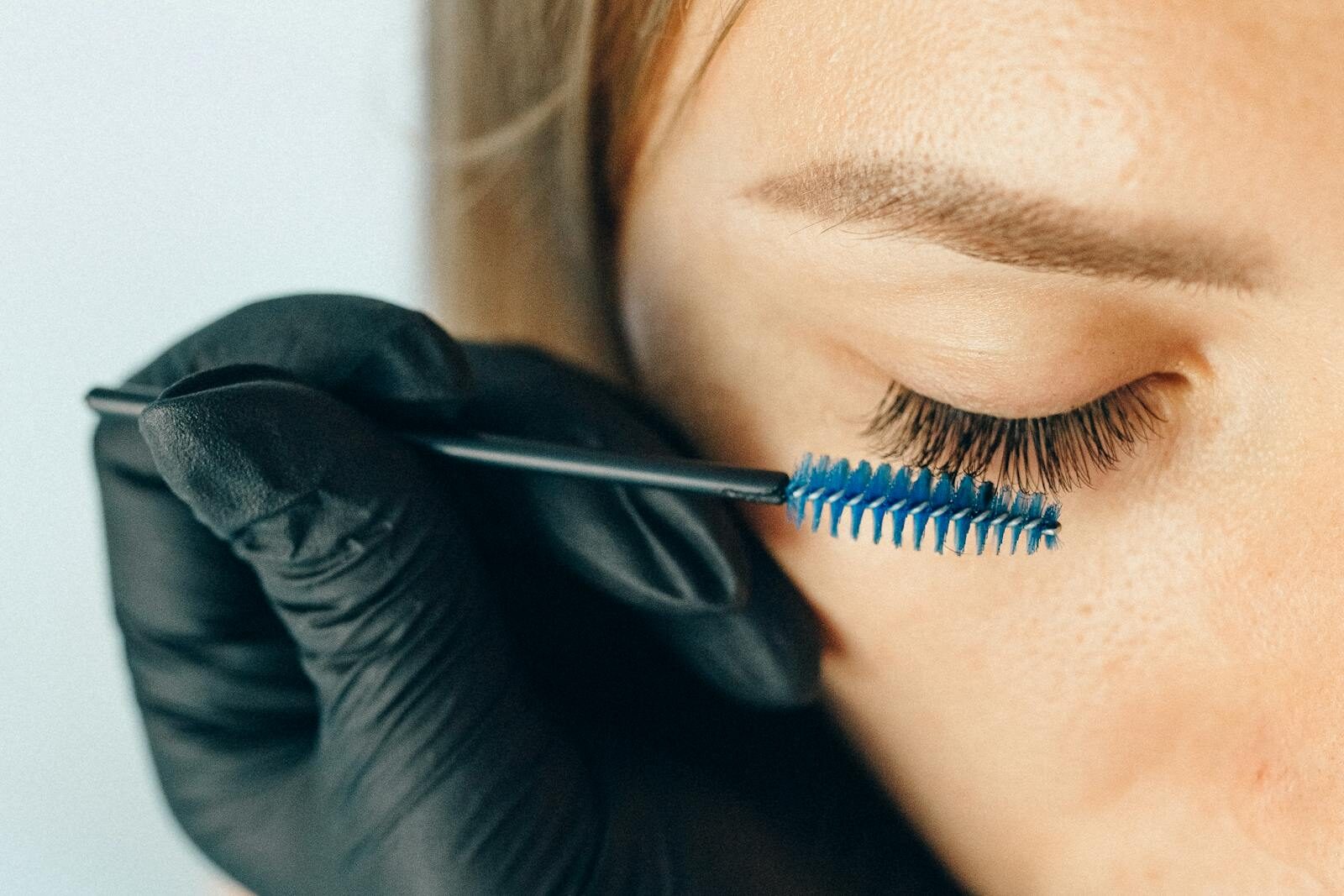
A fill appointment is shorter than a full set, usually taking 45 to 60 minutes at The Estetica in Glen Rock, NJ. Your lash artist will:
- Assess the current state of your extensions and natural lashes.
- Remove any extensions that are grown out or out of alignment.
- Clean your lashes to remove oil and debris.
- Apply new extensions to the gaps, matching the existing style.
- Check for proper isolation and comfort.
You should leave with a full, even set that looks as close to your original appointment as possible. If you are not satisfied with the result, speak up during the appointment so adjustments can be made.
Frequently Asked Questions About Lash Fills
Can I go longer than three weeks between fills?
You can, but you may need a full set instead of a fill if too many extensions have shed. Most artists recommend a fill every two to three weeks to maintain a consistent look. If you wait longer, be prepared for a longer appointment and a higher cost.
Will a fill damage my natural lashes?
No, a properly performed fill should not damage your natural lashes. The key is that each extension is attached to a single natural lash with the correct weight and adhesive. If you experience pain or discomfort, tell your artist immediately. If you notice unusual shedding or irritation, stop using the extensions and consult a professional.
How much does a lash fill cost?
Pricing varies by studio and location. At The Estetica, a fill is typically less than a full set, but the exact price depends on how many extensions need to be replaced. Contact the studio for current pricing and to schedule your appointment.
What if I want to take a break from extensions?
You can have your extensions removed professionally to avoid damaging your natural lashes. Your artist will use a gentle remover and clean your lashes thoroughly. After a break, you can start fresh with a new set or try a lash lift for a low-maintenance alternative.
Your Next Step: Book a Consultation
Deciding when to get a fill does not have to be stressful. If you are in Glen Rock, NJ, and you are unsure about your lash timeline, book a consultation at The Estetica. Your lash artist will assess your natural lashes, review your aftercare routine, and recommend a fill schedule that works for your lifestyle. You can also bring inspiration photos or ask about switching to a lighter style if you want a more natural look. The goal is to keep your lashes healthy and beautiful, without rushing into a decision you will regret.